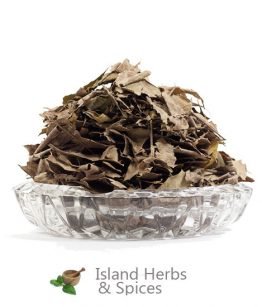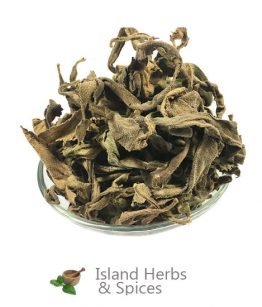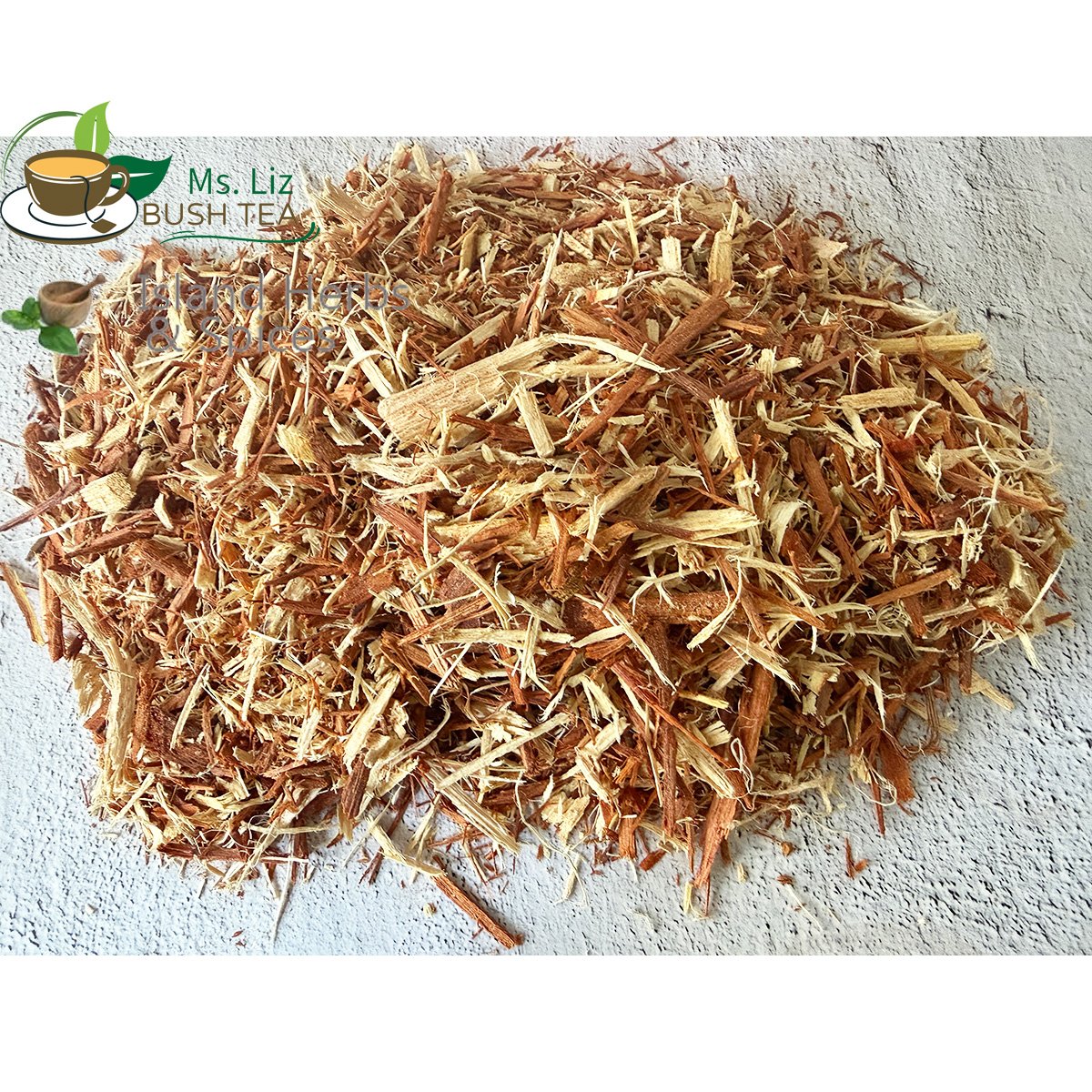
Jamaican Logwood – Traditional Jamaican Herbal Wood
Our Jamaican Logwood (Haematoxylum campechianum) is offered not only for traditional purposes, but also for educational, scientific, laboratory, botanical, historical, craft, and natural-dye research.
Logwood has an important place in Jamaican history. The dense, dark heartwood was once a valuable export because of its ability to produce beautiful natural shades of black, blue, purple, grey, and red depending on how it was processed and the mordant used. Jamaica became an important exporter of Logwood, and the plant remains an interesting part of the island’s botanical and agricultural heritage.
One of the most fascinating properties of Logwood is its connection to science. The heartwood is a natural source of hematoxylin, a compound that, after appropriate processing and oxidation, forms the basis of stains widely used in histology and pathology laboratories for examining cells and tissues under a microscope.
Because of these properties, our Jamaican Logwood may be of interest to schools, universities, laboratories, researchers, teachers, students, botanists, natural-dye artists, textile researchers, and educational institutions studying plant chemistry, natural pigments, traditional dyeing, microscopy, Caribbean plants, or Jamaican history.
Logwood may also be purchased by individuals exploring traditional crafts, natural color extraction, historical dye-making, or other appropriate non-medicinal applications.
We welcome inquiries from research institutions, schools, laboratories, universities, educators, and other organizations requiring Jamaican Logwood for research, demonstrations, experiments, or educational projects.
Scientific Name: Haematoxylum campechianum
Origin: Jamaica
Available For: Traditional, botanical, educational, research and natural-dye purposes.
Important: Raw Logwood is a botanical material and should not be represented as laboratory-grade hematoxylin or a standardized histological reagent unless it has undergone the appropriate extraction, purification, testing, and quality-control procedures.