How Jamaican Herbal Remedies Are Gaining Popularity Worldwide
How Jamaican Herbal Remedies Are Gaining Popularity Worldwide
For generations, Jamaicans have used herbs, roots, leaves, bark, and flowers as part of everyday life. Long before herbal wellness became popular around the world, many Jamaican families were already preparing what we simply call “bush tea.” Today, this traditional knowledge is attracting attention far beyond Jamaica. People in the United States, Canada, the United Kingdom, Europe, and other parts of the world are becoming increasingly interested in natural products and traditional herbal practices.Jamaica Has a Rich Herbal Tradition
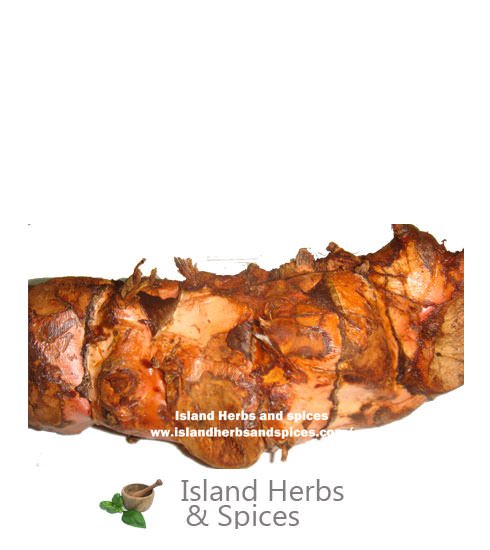
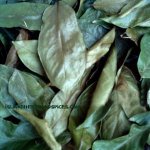
Jamaica is blessed with a tropical climate that allows many useful plants to grow throughout the year. Some grow wild, while others are cultivated in home gardens and on farms. Popular Jamaican herbs and plants include cerasee, soursop leaf, guinea hen weed, dog blood, strong back, chaney root, medina, search mi heart, leaf of life, moringa, bissy, fever grass (lemongrass), ginger, turmeric, trumpet leaf, and Jamaican sarsaparilla. For many Jamaicans, knowledge about these plants has traditionally been passed from one generation to another. A grandmother might teach her children which bush to use for tea, while farmers and herbalists learn how to identify, harvest, dry, and prepare different plants. This connection between the land, the plants, and the people is an important part of Jamaica's herbal culture.Why Are More People Interested in Jamaican Herbs?
One major reason is the worldwide growth of the natural wellness industry. Consumers are looking for herbal teas, plant-based products, traditional remedies, natural foods, and ingredients with a cultural history. Jamaican herbs fit naturally into this movement. People are also interested in knowing where their herbs come from. Instead of purchasing an unfamiliar product with little information about its origin, many consumers appreciate seeing the farm, the plant, how it is harvested, and how it is prepared. This is especially important for small Jamaican farmers and herbal businesses because our story is part of the product.From Jamaican Farms to International Customers
The internet has also made Jamaican herbs easier to discover. Years ago, someone living overseas might have depended on a relative or friend visiting Jamaica to bring dried herbs and roots. Today, Jamaican herbal businesses can introduce their products to customers worldwide through websites, blogs, social media, and videos. This creates opportunities for Jamaican farmers and small businesses to offer products such as dried loose-leaf herbs, herbal roots, herbal teas, tea bags, powders, and traditional herbal blends. It also gives Jamaicans an opportunity to educate customers about the traditional uses of plants rather than simply selling a package.Visitors Want to Experience the Herbs Too
Interest in Jamaican herbs is not limited to buying products online. Visitors to Jamaica are increasingly looking for authentic experiences beyond the beaches and large resorts. Visiting a farm or herbal garden allows travelers to see Jamaican plants growing naturally, smell fresh herbs, learn their local names, and discover how Jamaicans traditionally prepare bush tea. For us at Taste of Jamaica Farm and Herbal Garden, this is an important part of sharing Jamaican culture. Visitors can experience the plants in their natural environment and learn about the traditions surrounding them. Our herbs can then continue their journey through Island Herbs and Spices, where selected dried Jamaican herbs and herbal products are made available to customers who want to enjoy a little piece of Jamaica at home.Tradition Meets Modern Wellness
The growing popularity of Jamaican herbs presents an exciting opportunity, but traditional knowledge should also be shared responsibly. Herbs can contain active natural compounds, and “natural” does not automatically mean that something is safe for everyone. Some herbs may interact with medications or may not be suitable during pregnancy, breastfeeding, or for people with certain medical conditions. Herbal products should therefore be enjoyed responsibly, and medicinal claims should not replace professional medical advice. What makes Jamaican herbal culture special is more than the individual plants. It is the history behind them, the farmers who grow them, the traditional knowledge passed through families, and the Jamaican way of turning simple leaves, roots, and flowers into something meaningful. As interest in natural wellness continues around the world, Jamaican herbs have an opportunity to reach a much wider audience — while still keeping their roots firmly planted in Jamaica. Disclaimer: This article is for educational and cultural purposes only and is not intended to diagnose, treat, cure, or prevent any disease. Consult a qualified healthcare professional before using herbal products, particularly if you take medication or have an existing health condition.
Read More
Categories:
Jamaican Herbs