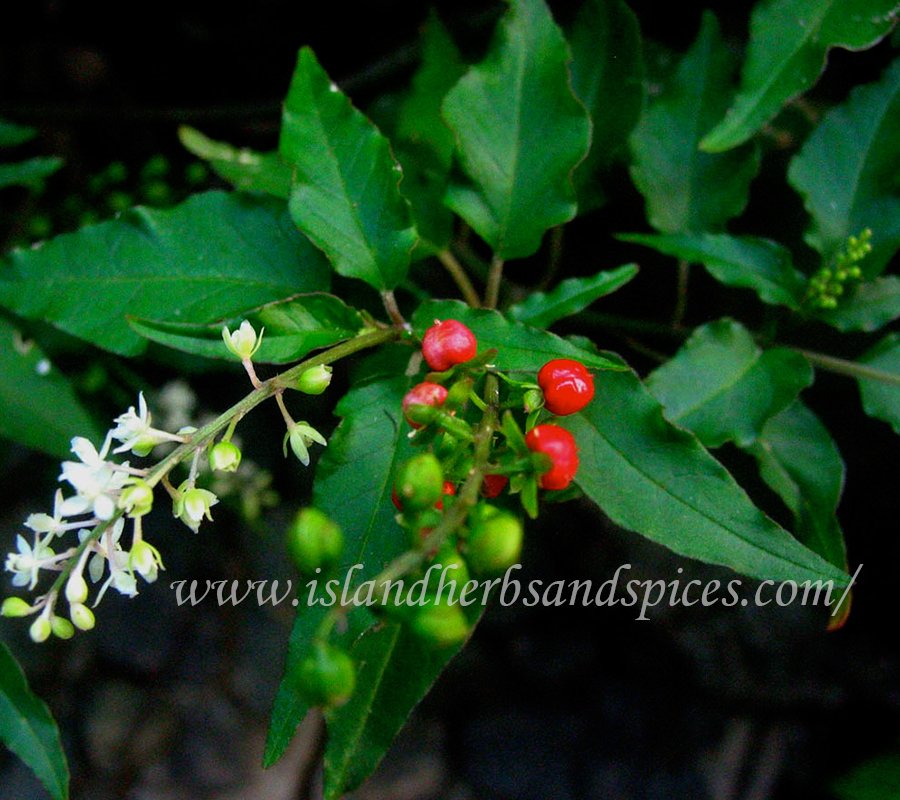
Back in Jamaican in the countryside, healing herbs were a part of everyday life for my family. Long before herbal products became popular around the world, many Jamaican homes were already using roots, leaves, and bush teas to help with common illnesses and to keep the body strong. I can still remember waking up to the smell of herbs boiling on the fire early in the morning while elders spoke about which plant was good for cleansing the body, building strength, or easing pain.
Today, healing herbs are becoming more popular in many countries because more people are looking for natural ways to care for their health. In Jamaica, herbs have been used for generations, and many of us still trust these old-time remedies that were passed down from our grandparents. On our farm, we grow and harvest a number of traditional Jamaican herbs that people continue to use every day.
One of the most requested herbs is Chaney Root, a famous Jamaican root known for helping with strength and energy. Many older Jamaican men swore by chaney root tea, especially farmers who worked long hours in the sun. Sarsaparilla is another popular root that is commonly used in Jamaican root tonics. It is known for cleansing the body and helping to build the blood.
Dog Blood bush, also known in the old days as “fall down bush,” is another herb I grew up hearing about. Many people in Jamaica use it as a tea for women’s health and menstrual problems. Medina and Strong Back are also well-known Jamaican herbs often used in traditional root tonics for strength, vitality, and general wellness.
We also harvest herbs like Devil’s Horsewhip, Vervain, and Cordoncillo Negro, which have all been used in Jamaican folk medicine for many years. Vervain tea is commonly used by many Jamaicans to help calm the nerves and relax the body, while Cordoncillo Negro is traditionally used for colds and cleansing. These herbs continue to play an important role in Jamaican culture, especially in rural communities where bush medicine is still respected.
What makes herbal healing special to me is the connection to nature and tradition. Most of these herbs grow naturally in the hills, forests, and clean rural areas of Jamaica. Many are harvested fresh from the land, dried naturally, and prepared the same way our elders taught us many years ago.
Besides medicinal use, Jamaican herbs are also used in foods, teas, drinks, soaps, oils, and beauty products. More people are now returning to natural living and learning about the benefits of traditional herbs. On our farm, we enjoy sharing this knowledge with visitors and customers who want to experience authentic Jamaican herbal culture.
While herbs have been used for generations, it is always important to use them responsibly and seek professional medical advice when needed. Jamaican herbs continue to be a valuable part of our history, culture, and everyday life, and I am happy to help keep these traditions alive by growing and sharing them with others.