Ackee in Jamaica: Traditional Uses, Herbal Benefits, and Jamaica’s National Dish
Ackee is more than just a fruit in Jamaica — it is part of our culture, our memories, and our everyday life. Growing up, ackee and saltfish was one of those meals that brought the family together, especially on weekends or special mornings. Even today on our farm and during our tours, serving Jamaica’s national dish to visitors is always one of the highlights of the experience. Many guests are excited to finally taste authentic ackee and saltfish prepared the traditional Jamaican way.
The Ackee tree is originally from West Africa but has become deeply rooted in Jamaican culture over hundreds of years. The bright red fruit opens naturally when ripe, revealing the soft yellow flesh that is carefully cleaned and cooked. One very important thing we always teach visitors is that ackee must be allowed to ripen fully on the tree before eating. In Jamaica, we grow up hearing older people warn that unripe ackee can be poisonous, so proper preparation is extremely important.
On our tours, ackee and saltfish is one of the authentic dishes we proudly serve alongside other traditional Jamaican foods. Fresh herbs, seasoning, and local ingredients from the farm often find their way into the cooking, making the experience even more special for guests who want to experience real Jamaican country cooking.
Beyond being a famous food, the Ackee tree has also been used traditionally in Jamaican herbal practices for generations. The leaves are commonly boiled into a tea that many people drink for colds, flu symptoms, mucus congestion, and asthma-related discomfort. In the countryside, herbal teas like these were often the first thing families turned to before modern medicine became widely available.
I can personally testify to one traditional use of ackee leaf tea that stayed with me from childhood. Many years ago, after suffering for almost a week with stomach pain and a bad case of “running belly,” my mother prepared a remedy using the leaves. Like many Jamaican mothers and grandmothers, she trusted the traditional herbs around us. To this day, I still remember how much better I felt afterward. Experiences like that are one of the reasons I continue to appreciate and respect many of the old herbal traditions that were passed down through generations.
Traditionally, ackee leaf tea has also been used as a mouthwash when mixed with salt for gum problems and oral care. Older Jamaicans also believed that hanging bunches of ackee leaves around the house or veranda could help keep away flies and insects naturally. Even the outer skin of the fruit had practical uses, as it was once beaten into a pulp and used as a natural soap for washing clothes.
The Ackee tree truly represents the resourcefulness of Jamaican people. From food to traditional home remedies, almost every part of the tree found a purpose in everyday life. On our farm, we love sharing these stories with visitors because they help preserve a part of Jamaica’s history and culture that many people are slowly forgetting.
At Island Herbs and Spices and through our farm tours, we continue to celebrate the traditional plants, foods, and herbal knowledge that make Jamaica so unique.
Breadfruit Leaves Tea: A Traditional Jamaican Remedy Grown on Our Farm
Breadfruit trees have always been a familiar sight here in Jamaica. Growing up, I never really thought much about them beyond the delicious roasted breadfruit we enjoyed with ackee, saltfish, or a simple piece of fried fish. On our farm today, the breadfruit tree still holds a very special place. Not only do we enjoy the fruit as food, but over the years I have also come to appreciate the value of the leaves and the many traditional uses passed down through generations.
The Breadfruit tree, scientifically known as Artocarpus altilis, belongs to the Jackfruit and mulberry family. Originally native to the South Pacific, the tree has become deeply rooted in Jamaican culture and cuisine. The tree grows tall with large green leaves that provide excellent shade on the farm, especially during the hot summer months. Many visitors who come to our tours are often surprised to learn that beyond the fruit itself, the leaves have long been used in traditional Jamaican herbal practices.
On our farm, we harvest breadfruit leaves carefully while they are still fresh on the tree. The leaves are then naturally dried and prepared either as crushed leaf tea or powdered into tea bags for easier use. Over time, many of our customers have shared personal testimonies about how breadfruit leaf tea has become part of their daily wellness routine, especially for supporting healthy blood pressure levels.
Traditionally, breadfruit leaves are prepared as a herbal tea. The process is simple but requires patience. Fresh leaves are washed, chopped, and dried naturally before boiling in water to create a deep reddish tea. The tea itself is naturally bitter, and many people in Jamaica will add a little honey to improve the flavor. Growing up, bitter teas were considered “good medicine,” and many older folks believed the stronger the tea, the better it worked.
One of the most talked-about traditional uses of breadfruit leaf tea is for supporting heart health and maintaining healthy blood pressure. Many Jamaicans have used this tea for generations as part of their natural wellness practices. The leaves are also known for their anti-inflammatory properties and are commonly used in traditional remedies aimed at supporting kidney function and overall cleansing of the body.
Some people also drink breadfruit leaf tea because of its reputation for helping with cholesterol management and circulation. Others use it as part of a healthy lifestyle to support the liver and reduce inflammation. While these uses are widely discussed in traditional herbal culture, we always encourage people to educate themselves and consult a medical professional when necessary.
The breadfruit tree itself is truly one of Jamaica’s most versatile trees. The fruit can be roasted, boiled, fried, or turned into chips and flour. The sap from the tree has also been traditionally used in Jamaica for skin-related applications and wound care. It is amazing how one tree can provide food, shade, and traditional herbal support all at once.
For us personally, harvesting breadfruit leaves is more than just preparing another herbal product. It is part of preserving Jamaican traditions and sharing knowledge that has been handed down over generations. Many of the herbs we grow and prepare on our farm connect directly back to stories from our parents and grandparents, and breadfruit leaf is certainly one of them.
Today, our dried Breadfruit Leaves are available in crushed form for tea making or powdered into convenient tea bags through Island Herbs and Spices. Everything is grown and prepared with care right here on our Jamaican farm, where traditional herbal knowledge continues to live on naturally.
Jamaican Herbs and Spices: Growing Traditional Herbal Remedies on Our Farm
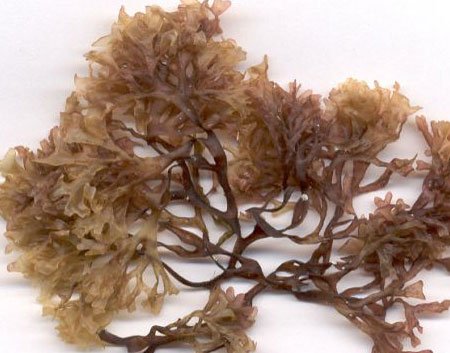
Chondrus Crispus (Irish Moss)
Spanish Needle Herb in Jamaica – Traditional Uses and Health Benefits of Bidens Pilos
What is Spanish Needle?
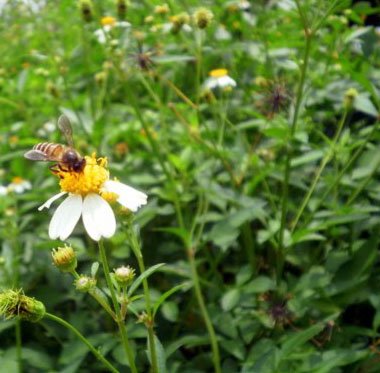
Spanish Needle, scientifically known as Bidens pilosa, is a medicinal herb that belongs to the Asteraceae family. Although the plant is believed to have originated in South America, it now grows widely throughout many tropical and subtropical regions of the world. In Jamaica, Spanish Needle grows freely in open fields, along roadsides, and around farms, where many people often overlook it as a common weed. The plant is also known by several local and international names including Black Jack, Needle Grass, Broomstick, Beggars Tick, and Demon Spike Grass.
On our farm in Jamaica, Spanish Needle grows naturally among our fruit trees and herbal gardens, especially during the rainy season. What many people call a “wild weed” is actually one of the herbs we value and harvest regularly. Growing up in the Jamaican countryside, it was common to hear older people speak about the importance of Spanish Needle tea for cleansing the body and helping with common stomach problems. Today, we continue that tradition by carefully harvesting, drying, and preparing the herb on our farm for herbal use.
Spanish Needle is an annual plant that can grow up to about 2 metres tall. It has oppositely arranged leaves and small flowers that may bloom throughout the year. The plant spreads aggressively and can quickly take over disturbed soil, which is one reason why it is so easy to find across Jamaica.
How to Use Spanish Needle
Spanish Needle is a very versatile herb and may be used in several ways to enjoy its traditional health benefits. The young leaves can be eaten raw like green vegetables or cooked as a potherb. In Jamaica, many people boil the leaves with callaloo, cabbage, or other ground provisions to create a healthy and flavorful meal.
On our farm, we sometimes prepare Spanish Needle with other fresh herbs and vegetables harvested the same morning. Many visitors are surprised to learn that this plant, often ignored or pulled up from gardens, can actually be part of a nutritious Jamaican meal.
The crushed leaves may also produce a sap that is traditionally applied to fresh cuts to help encourage blood clotting. One of the most popular ways to use the plant, however, is as an herbal tea. Spanish Needle tea has long been used in Jamaica as a general wellness beverage and is commonly prepared to help with worms, flatulence, stomach discomfort, and overall cleansing.
Health Benefits of Spanish Needle
The leaves, roots, and seeds of Spanish Needle have traditionally been valued for their many medicinal properties. The plant is known to possess anti-inflammatory, antibacterial, antiseptic, antimicrobial, and antidysenteric properties. It is also believed to act as a natural diuretic.
In some traditional cultures, Spanish Needle has even been used as a natural remedy for malaria because of its antimalarial properties. Due to its antiseptic qualities, extracts from the plant are sometimes used as a natural mouthwash to help combat odor-causing germs, sore gums, and mouth irritation.
Spanish Needle is also traditionally used to assist with:
- Joint discomfort and swelling
- Colic and stomach ailments
- Cold and flu symptoms
- Digestive discomfort
- General body cleansing
Because the herb grows naturally on our farm, we are able to carefully harvest and dry it while preserving its freshness and natural quality. We believe there is something special about herbs grown naturally in Jamaica’s rich soil and tropical climate. Many of the herbs we grow are part of traditions passed down through generations, and Spanish Needle is certainly one of them.
Today, this humble plant continues to be one of the many medicinal herbs appreciated by people seeking a more natural lifestyle and a deeper connection to traditional Jamaican herbal practices.
Disclaimer: Herbal information provided is for educational purposes only and is not intended to diagnose, treat, cure, or prevent any disease. Please consult a healthcare professional before using herbal products, especially if pregnant, nursing, or taking medication.
Prickly Pear OpuntiaFicus-indica(Tuna)
Prickly Pear is believed to offer a number of health benefits. The juice from the leaves is used to make drinks that are said to clean out the intestines. Tuna tea is also used to combat chest aches, fevers and help improve digestion. The plant also possesses binding properties, is used as an astringent and helps in reducing bleeding. One of the plants interesting properties is that it works well for weight loss and weight management due to its ability to bind fat. This means that the Prickly Pear molecules bind themself to fat molecules that a person has consumed and prevents the body from absorbing the fat. Its fat binding properties also help in reducing cholesterol levels in the blood. The plant is also used to bring relief from backaches, constipation and excessive menstruation. Cassava ( Manihot Esculenta)
Jamaican Cashew Tree Benefits and Traditional Herbal Uses
Cashew Tree Benefits and Traditional Jamaican Uses
The cashew tree is one of the most interesting and valuable trees growing on our farm in Jamaica. While many people know the cashew for its delicious nuts that are enjoyed around the world, the tree itself has also been used traditionally in Jamaican herbal practices for generations. From the bark and leaves to the shell and seed oil, different parts of the cashew tree have long been valued for both medicinal and practical uses.
On our farm, we grow cashew trees naturally alongside many other Jamaican medicinal plants and fruit trees. The trees not only provide shade and beauty to the landscape, but they also produce the famous cashew nuts that are often enjoyed as snacks or served at social gatherings and cocktail events. Fresh cashew nuts have a rich, buttery flavor and are considered one of the most loved tropical nuts worldwide.
In traditional Jamaican herbal culture, the bark and leaves of the cashew tree are commonly used to prepare herbal teas. Older generations often relied on these natural remedies for digestive support and stomach discomfort. A tea made from the bark and leaves has traditionally been used for diarrhea, indigestion, stomach pains, bowel disorders, and dysentery. These herbal practices have been passed down through families and remain an important part of Jamaican bush medicine today.
We harvest the bark and leaves from our farm carefully and naturally. The material is dried and prepared for customers looking for authentic Jamaican herbal products. Many people are becoming interested once again in traditional herbal knowledge and natural remedies that have been used in the Caribbean for generations.
The cashew tree also has several other traditional uses that many people may not know about. The oil from the cashew seed has been used in folk remedies for removing warts, corns, and freckles. While this was a common traditional practice, care was always taken because the oil can be very strong when applied directly to the skin.
Another practical use of the cashew tree comes from the shell. In Jamaica and other tropical regions, the shells were sometimes soaked in water to create a natural insecticide spray for plants. Farmers valued these types of homemade solutions long before modern chemical sprays became widely available. It is another example of how resourceful rural communities were in using every part of the plants around them.
Growing cashew on our farm is something we truly enjoy. Watching the trees flower and produce fruit each season reminds us of the richness of Jamaica’s natural environment. The bright cashew apples hanging from the trees with the nut attached underneath always attract attention from visitors touring the farm. Many guests are surprised to learn how cashews actually grow and are fascinated by the traditional uses of the tree.
At Island Herbs and Spices, we continue to preserve and share these Jamaican herbal traditions. The bark and leaves of the cashew tree, along with special-order cashew products and nuts, are available through our website for customers interested in authentic farm-grown Jamaican herbs and natural products.
The cashew tree is more than just a source of nuts. It is a tree deeply connected to traditional Caribbean living, herbal knowledge, and sustainable farming practices. From food to herbal teas and practical farm uses, the cashew tree remains an important part of life on our Jamaican farm.
Jamaican Breadfruit Leaves Tea and Traditional Herbal Uses
Breadfruit Leaves and Sap: Traditional Jamaican Uses from Our Farm
The breadfruit tree is one of the most treasured trees on our farm and throughout Jamaica. While many people know breadfruit for its rich, filling fruit that can be roasted, boiled, fried, or used in delicious Jamaican dishes, the tree itself has long been valued in traditional herbal practices as well. From the leaves to the sap, different parts of the breadfruit tree have been used by generations of Jamaicans for natural wellness and home remedies.
On our farm, the breadfruit trees provide shade, food, and herbal value all in one. We harvest and dry breadfruit leaves which are traditionally used to make herbal tea. Many people in Jamaica have used breadfruit leaf tea for years as part of their natural lifestyle, especially for supporting healthy blood pressure levels and managing diabetes. The leaves contain compounds such as camphoral, and the tea remains a popular bush remedy in many rural communities across the island.
Growing up in Jamaica, it was common to hear older people speak about the healing value of the breadfruit tree. Breadfruit leaf tea was often prepared fresh from leaves picked directly from the tree. Today, we continue that same tradition on our farm by carefully harvesting the leaves, drying them naturally, and preparing them for customers who appreciate authentic Jamaican herbal products.
The breadfruit tree is not only useful for the leaves. The sticky white sap that runs from the tree has also been used traditionally in Jamaican folk medicine. In many communities, the sap was applied to contagious skin ailments to help prevent spreading and promote healing. Older generations believed the sap created a protective barrier over the affected area.
Another traditional use of the breadfruit sap involves boiling it until it forms a rubber-like substance. This material was then used as a natural dressing for wounds. These old-time remedies reflect the resourcefulness of Jamaican people who relied heavily on the plants and trees around them for daily living and natural care.
Beyond its medicinal uses, the breadfruit tree plays an important role in Jamaican culture and food. A single tree can produce a large amount of fruit each season, helping to feed families and communities. Roasted breadfruit with ackee and saltfish is still considered one of Jamaica’s most loved traditional meals. The tree itself is hardy and productive, making it an important part of sustainable farming on the island.
On our farm, we value every part of the breadfruit tree. The fruit is enjoyed in our kitchen, while the leaves are harvested and dried as part of our herbal offerings. We take pride in growing these trees naturally and sharing a piece of Jamaica’s herbal traditions with our customers.
Traditional herbal knowledge has been passed down through generations in Jamaica, and the breadfruit tree remains one of the many plants that continue to hold cultural and practical importance. Whether enjoyed as food or used in herbal preparations, breadfruit remains a true Jamaican treasure.