Dried Ra-Moon Leaves and Bark (Trophis Resmosa) Male Sex Herb
 It cannot go without saying that a number of men find themselves in a dilemma where sex is concerned; failing to rise to the occasion. Of course it is difficult to place the blame, though a number of reasons cited to lead to low libido in men include sickness, heightened stress levels and given medications. Too much work also explains why sometimes a man may not be too active in bed. This has led to lots of research with the aim of finding the ideal male sex enhancement drug. Most researchers try to dwell more on herbs rather than pills or tablets. Lately, Ra-moon Leaves has sprung to the limelight.
While there have been a number of sex enhancement drugs, some manufactured sex drugs often exhibit drastic side effects, leading to untold suffering of patients. This explains why a number of researches tend to lean on herbs. While they too have side effects, they are usually tolerable. Ra-Moon Leaves falls in the category of herbs developed for sex enhancement with minimal if no side effect.
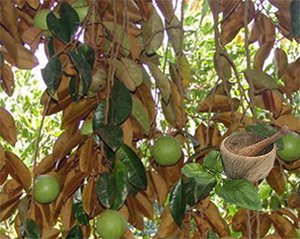
Ra-moon; pronounced as ‘raw moon’, is a tree belonging to the Moraceae family. It is popular in Jamaica and the Caribbean as a whole. Its scientific name is Trophis Racemosa. The tree is evergreen with very versatile leaves and bark sought by researchers for their numerous health benefits. Demand for the tree has led to it being almost endangered. Good news though is; it still exists in the wild forests of Jamaica, more so in places like Saint Thomas, Hanover, Saint Mary and Westmoreland that have not been too much invaded.
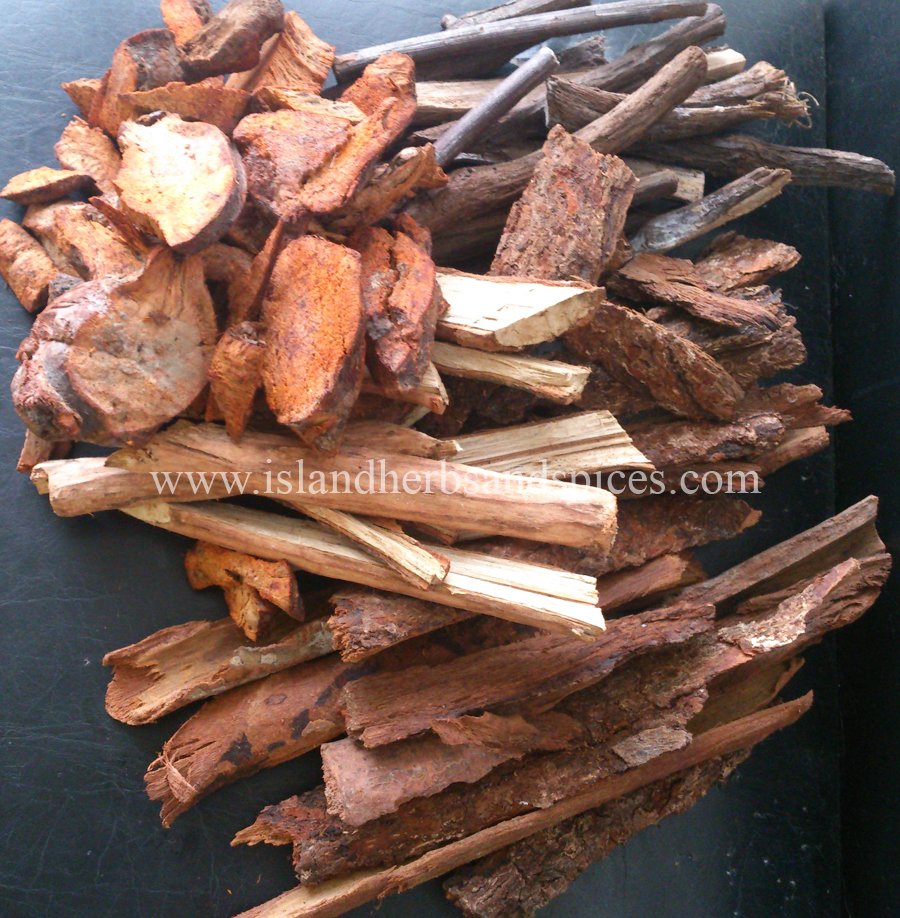
Just like most other plants that are used to make herbs, the Ra-Moon’s bark and leaves are very effective in solving male problems. Once the leaves have been plucked, smashed and dried, they can be used to make tea. The back on the other hand, is boiled for some time to obtain a slightly bitter liquid. This is mixed with honey to have it sweetened. Although there is no definite dosage, the herb has to be taken in moderation. It is ascertained to contain aphrodisiac qualities that are of benefit to both males and females. This however does not mean that taking too much of it could make one go overboard with sexual stamina.
Most herbs exhibit a variety of benefits. Although Ra-Moon Leaves is known to act as a sexual stimulant, it is also said to be good for appetite improvement. People with poor appetite take the herb to improve their food intake. In Jamaica, the herb was used to increase reproduction in animals. This means it does not only help human beings but animals as well. For men, it also improves sperm count which may help in child-bearing. It goes a step further to boost overall body energy.
In the traditional setting, the herb was used by people who wanted to perform certain duties that needed stamina. Farmers who worked at the farm for long hours sought the help of the herb. Whenever one felt fatigued, Ra-Moon Leaves and bark came to their rescue. More researches are still ongoing to improve the herb’s beneficial effects further.
It cannot go without saying that a number of men find themselves in a dilemma where sex is concerned; failing to rise to the occasion. Of course it is difficult to place the blame, though a number of reasons cited to lead to low libido in men include sickness, heightened stress levels and given medications. Too much work also explains why sometimes a man may not be too active in bed. This has led to lots of research with the aim of finding the ideal male sex enhancement drug. Most researchers try to dwell more on herbs rather than pills or tablets. Lately, Ra-moon Leaves has sprung to the limelight.
While there have been a number of sex enhancement drugs, some manufactured sex drugs often exhibit drastic side effects, leading to untold suffering of patients. This explains why a number of researches tend to lean on herbs. While they too have side effects, they are usually tolerable. Ra-Moon Leaves falls in the category of herbs developed for sex enhancement with minimal if no side effect.
Ra-moon; pronounced as ‘raw moon’, is a tree belonging to the Moraceae family. It is popular in Jamaica and the Caribbean as a whole. Its scientific name is Trophis Racemosa. The tree is evergreen with very versatile leaves and bark sought by researchers for their numerous health benefits. Demand for the tree has led to it being almost endangered. Good news though is; it still exists in the wild forests of Jamaica, more so in places like Saint Thomas, Hanover, Saint Mary and Westmoreland that have not been too much invaded.
Just like most other plants that are used to make herbs, the Ra-Moon’s bark and leaves are very effective in solving male problems. Once the leaves have been plucked, smashed and dried, they can be used to make tea. The back on the other hand, is boiled for some time to obtain a slightly bitter liquid. This is mixed with honey to have it sweetened. Although there is no definite dosage, the herb has to be taken in moderation. It is ascertained to contain aphrodisiac qualities that are of benefit to both males and females. This however does not mean that taking too much of it could make one go overboard with sexual stamina.
Most herbs exhibit a variety of benefits. Although Ra-Moon Leaves is known to act as a sexual stimulant, it is also said to be good for appetite improvement. People with poor appetite take the herb to improve their food intake. In Jamaica, the herb was used to increase reproduction in animals. This means it does not only help human beings but animals as well. For men, it also improves sperm count which may help in child-bearing. It goes a step further to boost overall body energy.
In the traditional setting, the herb was used by people who wanted to perform certain duties that needed stamina. Farmers who worked at the farm for long hours sought the help of the herb. Whenever one felt fatigued, Ra-Moon Leaves and bark came to their rescue. More researches are still ongoing to improve the herb’s beneficial effects further.
Read More
Categories:
Jamaican Herbs