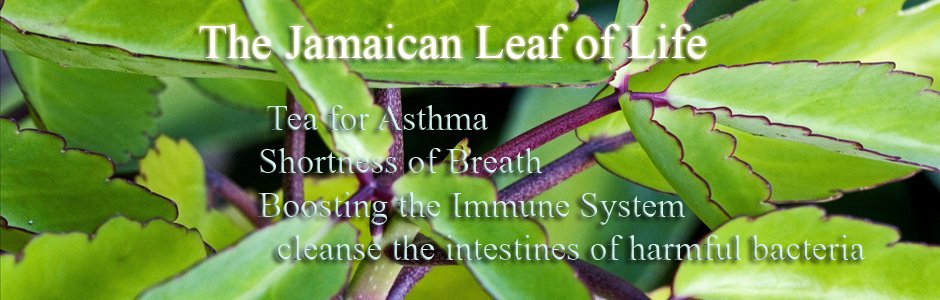
Leaf of Life Tea for Sinus Relief and Respiratory Support
People who suffer from sinusitis may experience discomfort, congestion, and difficulty breathing due to blockages in the nasal passages. Many people search for natural ways to find relief from sinus pressure and breathing difficulties. One traditional herbal remedy commonly used in Jamaica is Leaf of Life tea.
Leaf of Life tea is valued for its refreshing properties and is traditionally used to support respiratory health. Rich in natural compounds, vitamins, and minerals, this herbal tea has been enjoyed for generations as a soothing drink for people dealing with sinus discomfort and breathing problems.
Drinking a warm cup of Leaf of Life tea may help support the body in several ways, including:
- Helping to promote easier breathing
- Supporting clear nasal passages
- Soothing the respiratory tract
- Helping the body relax during congestion and discomfort
- Supporting overall respiratory wellness
Many people enjoy Leaf of Life tea as part of their daily wellness routine, especially during periods of seasonal changes when sinus discomfort may become more noticeable.
If you experience sinus congestion or occasional breathing discomfort, a warm cup of Leaf of Life tea may provide a soothing and refreshing herbal experience. As with all herbal products, it is important to use responsibly and consult a healthcare professional if symptoms persist.
Herbal Remedies from Jamaica
Jamaica has a long history of using natural herbs and traditional plant remedies to support health and wellness. Long before modern medicine became common on the island, Jamaican families relied on herbs, roots, leaves, and spices gathered from gardens, forests, and farms. Today, herbal remedies from Jamaica continue to attract attention worldwide as people seek natural alternatives and authentic Caribbean wellness traditions.
Jamaican herbal remedies are deeply connected to the island’s culture and rural lifestyle. Many traditional remedies have been passed down through generations, with knowledge shared by parents, grandparents, farmers, and herbalists. These remedies often involve preparing herbal teas, roots tonics, herbal baths, or natural blends using locally grown plants.
Some of the most well-known herbal remedies from Jamaica include cerasee tea, soursop leaf tea, guinea hen weed, moringa, turmeric, ginger tea, neem tea, fever grass, and chaney root. These herbs are commonly grown on Jamaican farms and are valued for their natural properties and traditional uses.
In Jamaican culture, herbal remedies are often referred to as “bush medicine” or “bush tea.” Many Jamaicans still prepare herbal teas at home using freshly picked leaves and roots. The herbs are usually washed, boiled, and enjoyed warm, especially in the mornings or evenings.
One reason herbal remedies from Jamaica are becoming increasingly popular is because many people are turning toward natural wellness products and plant-based lifestyles. Consumers appreciate herbs that are grown naturally and harvested directly from local farms. Authentic Jamaican herbs are known for their rich aroma, freshness, and strong flavor.
Jamaica’s tropical climate also plays an important role in the quality of its herbs. Warm temperatures, fertile soil, and natural rainfall help herbs grow vigorously throughout the year. Many farmers use traditional organic growing methods without heavy chemicals, making Jamaican herbal products attractive to customers around the world.
Traditional Jamaican remedies often combine multiple herbs together to create roots tonics and herbal blends. Jamaican roots tonics commonly include ingredients such as strong back root, medina, sarsaparilla, chaney root, and other local herbs and spices. These traditional drinks remain an important part of Jamaican herbal culture.
Herbal remedies from Jamaica are also closely connected to food and cooking. Fresh herbs such as thyme, basil, parsley, scallion, ginger, and turmeric are used not only for flavor but also as part of everyday healthy living. Jamaican cooking naturally includes many fresh herbs and spices harvested directly from the garden.
As the global demand for herbal wellness products continues to increase, Jamaican herbal farms and businesses are helping preserve traditional herbal knowledge while sharing authentic Caribbean herbs with international customers. From dried herbs and herbal tea bags to roots tonics and natural wellness products, Jamaica remains one of the Caribbean’s most respected sources for traditional herbal remedies.
For many people, Jamaican herbal remedies represent more than just herbs. They represent tradition, farming, family knowledge, and the natural beauty of the island itself.
Jamaican Organic Herbal Products
Jamaica is known around the world for its rich culture, tropical climate, and fertile soil. Beyond the beaches and music, the island is also famous for its powerful natural herbs and traditional healing practices passed down through generations. Today, Jamaican organic herbal products are becoming increasingly popular among people seeking natural wellness solutions, authentic herbal teas, and organic plant-based products.
At our organic farm in Jamaica, we proudly grow and harvest a wide variety of medicinal herbs and spices using traditional farming methods. The warm Caribbean sun, rich mountain soil, and natural rainfall help create high-quality herbs filled with natural aroma and flavor. Unlike mass-produced products, Jamaican herbal products are often grown in smaller quantities with careful attention to freshness and quality.
Many Jamaican herbal products are used in teas, tonics, natural remedies, soaps, oils, and wellness blends. Popular Jamaican herbs include moringa, guinea hen weed (anamu), cerasee, soursop leaf, fever grass, neem, turmeric, ginger, and chaney root. These herbs have been used for generations in Jamaican homes to support overall wellness and healthy living.
One of the reasons people search for Jamaican organic herbal products is because they want authentic Caribbean herbs directly from the source. Freshly harvested and properly dried herbs maintain their natural color, aroma, and potency. Organic farming methods also help reduce exposure to harmful chemicals and pesticides, making the herbs more appealing to health-conscious customers.
Jamaican herbal products are also deeply connected to the island’s farming culture and traditions. Many small farmers wake up early each morning to harvest herbs by hand, dry them naturally, and prepare them for local markets and international customers. Supporting Jamaican herbal farms also supports rural communities and sustainable agriculture.
Organic herbal products from Jamaica are commonly used to make herbal teas, natural detox blends, roots tonics, and spice mixtures. Some herbs are also added to homemade wellness drinks and traditional Jamaican recipes. Jamaican ginger and turmeric, for example, are highly valued for their strong flavor and vibrant color. Fresh herbs such as basil, thyme, parsley, and escallion are also widely used in Jamaican cooking and natural wellness practices.
As interest in natural living continues to grow worldwide, more people are discovering the benefits of authentic Jamaican herbs and spices. Consumers appreciate knowing where their herbs are grown and how they are processed. Farm-grown herbal products offer a personal connection that large commercial products often lack.
At our Jamaican organic farm, we take pride in growing herbs naturally and sharing the beauty of Jamaican farming with the world. From herbal tea bags to dried medicinal herbs and traditional roots blends, Jamaica continues to offer some of the most unique and sought-after herbal products in the Caribbean.
Growing Anamu (Guinea Hen Weed from Seeds
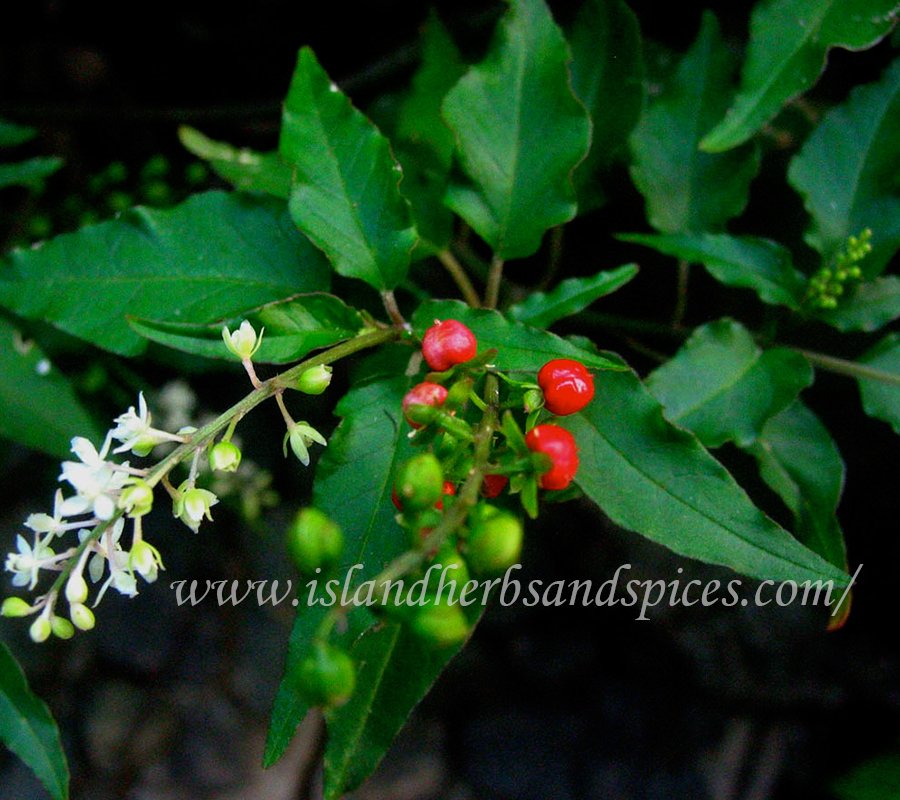
The Anamu Guinea Henweed (Petiveria alliacea) is among one of our fastest-selling herbs, and as a result, it remains in consistently high demand. This powerful medicinal plant has deep roots in Jamaican herbal traditions and continues to be valued both locally and internationally for its wide range of uses.
On our farm, we ensure a steady supply by planting the seeds twice per month. Anamu thrives well in our tropical environment and has spread across various sections of the farm, becoming a natural part of our herbal landscape. The plant is hardy and adaptable, making it suitable for consistent cultivation once properly established.
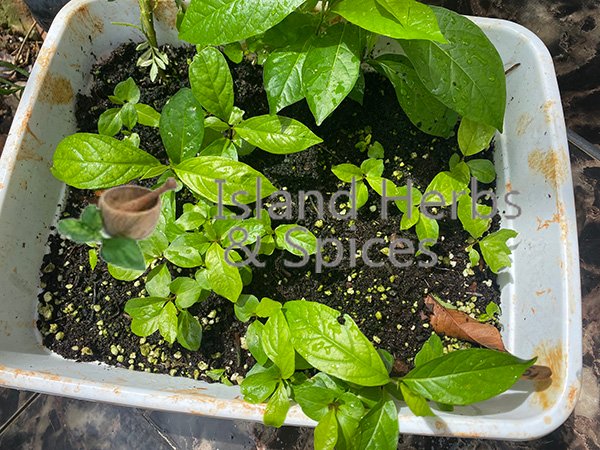
Propagation begins with the dried, mature seeds. These seeds are carefully harvested and then placed in moist soil to encourage germination. Unlike many fast-growing herbs, Anamu requires patience. The seeds typically take about eight to ten weeks to germinate, which is longer than most common herbs. Once the seedlings are established and transplanted, the plant enters a long growth cycle. It can take up to four years before the plant matures enough for root harvesting.
The root is the most valuable part of the Guinea Hen Weed plant. Harvesting involves carefully digging up the entire plant to access the root system. This process must be done with care to preserve the quality and potency of the root, which is later cleaned, dried, and prepared for herbal use. Because of the time and effort involved in growing and harvesting, Anamu is considered a premium herbal product.
Traditional and Medicinal Uses of Anamu
Anamu has been used for generations in Jamaican and Caribbean herbal medicine. It is most commonly prepared as a tea, tonic, or decoction using the root, leaves, or sometimes the whole plant. The herb is known for its strong, garlic-like smell, which is a natural indication of its powerful compounds.
Traditionally, Anamu is used to support the immune system. Many people drink Anamu tea to help the body fight off infections, including colds, flu, and other viral conditions. It is also widely used as a natural anti-inflammatory herb, helping to reduce pain and swelling in the body. This makes it popular among individuals dealing with arthritis, joint pain, and general body aches.
Another important use of Anamu is in detoxification. The herb is believed to help cleanse the blood and remove toxins from the body. In herbal practices, it is often included in detox blends or taken on its own to support liver and kidney function. Regular use in small amounts is said to help maintain overall internal balance.
Anamu is also known for its calming properties. In traditional medicine, it has been used to help reduce stress, anxiety, and nervous tension. Some users report improved sleep and relaxation when drinking Anamu tea in the evenings. Its natural compounds are believed to have mild sedative effects that promote a sense of calm.
Additionally, Anamu has been used in traditional remedies for infections. It is known for its antibacterial and antifungal properties, making it useful in addressing internal and external infections. In some cases, crushed leaves or root preparations are applied topically to help with skin conditions.
There is also growing interest in Anamu for its potential role in supporting overall wellness, including its use in herbal blends aimed at strengthening the body. While traditional use is well documented, it is important to note that individuals should use this herb responsibly and consult a professional when necessary, especially if they are pregnant, nursing, or taking medication.
A Valuable Herb from Our Farm
At our farm, we take pride in growing Anamu naturally and sustainably. From seed to harvest, every stage requires time, care, and knowledge. This dedication ensures that our customers receive a high-quality herbal product that reflects the true essence of Jamaican herbal traditions.
As demand continues to grow, Anamu remains one of the cornerstone herbs in our collection—valued not only for its medicinal benefits but also for the cultural heritage it represents.
10 Powerful Jamaican Medicinal Herbs and Their Health Benefits
Jamaica is known worldwide for its rich tradition of Jamaican medicinal herbs and natural healing practices. For generations, people have relied on herbs in Jamaica to support overall health and wellness in a natural way.
Many of these herbal remedies in Jamaica are still used today, both locally and globally.
1. Soursop Leaf – Popular among Jamaican medicinal herbs for relaxation and immune support.
2. Cerasee – A powerful herb used in natural detox remedies in Jamaica.
3. Fever Grass (Lemongrass) – A staple in herbal tea Jamaica for digestion and colds.
4. Sarsaparilla – Known as a traditional blood cleansing herb.
5. Moringa – One of the most nutrient-rich organic herbs in Jamaica.
6. Guinea Hen Weed – Widely used in traditional Jamaican herbal medicine.
7. Neem – Supports detox and skin health naturally.
8. Ginger – A key herb in Jamaican herbal remedies for inflammation.
9. Turmeric – Known globally for its anti-inflammatory benefits.
10. Dog Blood Bush – Used in traditional women’s herbal health remedies.
At our farm, we grow and prepare organic herbs in Jamaica, ensuring high-quality, natural products for daily use. Drinking herbal tea from Jamaican herbs is one of the simplest ways to support your health naturally.
Jamaican Medicinal Herbs and Their Uses: A Guide to Traditional Island Healing
For generations, Jamaicans have relied on the land for healing. Long before pharmacies and clinics were common, people turned to “bush medicine,” a system of traditional herbal remedies passed down through families. Even today, these practices remain part of everyday life in Jamaica, used alongside modern medicine for prevention, recovery, and general wellness.
This guide explores some of the most respected Jamaican medicinal herbs, how they are traditionally used, and why they continue to matter in natural healing.
The Roots of Jamaican Bush Medicine
Jamaican herbal medicine is a blend of African, Indigenous Taino, and European knowledge. Enslaved Africans brought plant wisdom with them, adapting it to the Caribbean climate. Over time, this knowledge became practical, local, and deeply tied to survival.
Most remedies focus on cleansing the body, reducing inflammation, easing digestion, and strengthening the immune system. Herbs are commonly prepared as teas, decoctions, poultices, or tonics.
Slippery Elm Bark
Although slippery elm is native to North America, its bark has become a valued addition to Jamaican herbal practice through trade and shared Caribbean knowledge. Slippery elm bark is best known for its soothing, mucilage-rich texture when mixed with water.
Traditional uses include:
-
Coating and calming the digestive tract
-
Easing acid reflux, ulcers, and gastritis
-
Soothing sore throats and coughs
-
Supporting gut health during illness or recovery
In Jamaican homes, slippery elm bark is often powdered and mixed into warm water, porridge, or herbal blends. It is especially valued for people with sensitive stomachs or those recovering from long-term digestive issues.
Cerasee (Bitter Melon)
Cerasee is one of the most widely used bush medicines in Jamaica. Its sharp bitterness is believed to “wash out” the body.
Common uses:
-
Blood cleansing
-
Supporting healthy blood sugar levels
-
Easing skin conditions like eczema and acne
-
Promoting digestive health
Cerasee tea is often given to children and adults alike, usually in short courses rather than daily use due to its strength.
Guinea Hen Weed (Anamu)
Guinea hen weed is known for its strong garlic-like smell and powerful reputation. It is commonly used for immune support and pain relief.
Traditional uses include:
-
Reducing inflammation
-
Supporting joint and muscle pain
-
Strengthening the immune system
-
Helping the body fight infections
The leaves and roots are most often brewed into tea or crushed for topical use.
Soursop Leaves
While the fruit is popular worldwide, soursop leaves hold a special place in Jamaican herbal medicine.
Used traditionally for:
-
Promoting relaxation and sleep
-
Supporting nervous system health
-
Reducing mild pain and inflammation
-
General wellness teas
Soursop leaf tea is often consumed in the evening due to its calming effect.
Ginger
Ginger is a staple in Jamaican kitchens and medicine cabinets. It is used both fresh and dried.
Traditional benefits include:
-
Relieving nausea and digestive discomfort
-
Supporting circulation
-
Easing cold and flu symptoms
-
Reducing inflammation
Ginger tea, sometimes combined with honey and lime, is one of the most common home remedies on the island.
How Jamaican Herbs Are Prepared
Preparation matters. Most herbs are:
-
Boiled as teas or decoctions
-
Steeped fresh or dried
-
Combined into multi-herb blends
Dosage is often guided by experience rather than measurement, which is why traditional knowledge is usually passed down orally.
Respecting Tradition and Safety
While Jamaican medicinal herbs offer many benefits, they should be used with care. Some herbs are potent and not meant for long-term daily use. Pregnant individuals and those with chronic conditions should always consult a qualified healthcare provider before using herbal remedies.
Preserving Island Healing Knowledge
Jamaican bush medicine is more than natural treatment. It is cultural memory, resilience, and connection to the land. As interest in herbal wellness grows worldwide, preserving and respecting these traditions becomes even more important.
By understanding herbs like slippery elm bark and their role in traditional Jamaican healing, we honor a system of medicine built on observation, community, and centuries of lived experience.
Why Jamaican Medicinal Herbs Are Making a Comeback for Natural Wellness
Why More People Are Turning Back to Jamaican Medicinal Herbs for Natural Wellness
Growing up in the Jamaican countryside, medicinal herbs were a normal part of everyday life. If someone had a cold, belly pain, stress, or trouble sleeping, there was always a bush tea boiling on the stove. Long before modern pharmacies became popular, our parents and grandparents depended on herbs from the yard, the hills, and the farm to help keep the family healthy.
Today, even with all the advances in medicine and technology, many people are once again turning back to natural herbs and traditional remedies. One of the main reasons is that people are becoming more mindful about what they put into their bodies. More persons are searching for natural wellness options, herbal teas, immune-supporting herbs, and chemical-free products that fit into a healthier lifestyle.
One thing I personally love about medicinal herbs is how natural and simple they are. On our farm, many of the herbs we grow are used the same way they were used generations ago. Herbs like soursop leaf, cerasee, guinea hen weed, moringa, fever grass, and Spanish needle are still commonly prepared as teas and natural tonics here in Jamaica.
Another reason people appreciate herbs today is because many plants contain several natural compounds that have been traditionally used to support the body in different ways. Instead of relying heavily on overly processed products, many families now enjoy drinking herbal teas daily as part of their wellness routine.
Herbal medicine is also becoming popular because of accessibility. In Jamaica especially, many medicinal plants grow naturally in our backyards and hillsides. Some people even start their own small kitchen gardens so they can have fresh herbs close by whenever needed.
Cost is another factor. Natural herbs are often more affordable than many modern wellness products. A few fresh or dried herbs can make several cups of tea, and many people enjoy knowing exactly where their herbs come from.
Of course, herbal remedies should always be used responsibly, and persons with medical conditions or those taking medication should speak with a healthcare professional before using herbs regularly. Herbs are not magic cures, but they continue to play an important role in traditional wellness and healthy living for many people around the world.
At Island Herbs & Spices, we continue to grow and prepare many of our herbs naturally in the Jamaican hills, just the way our elders taught us years ago. For us, herbal medicine is not just business — it is part of our culture, family tradition, and everyday life.