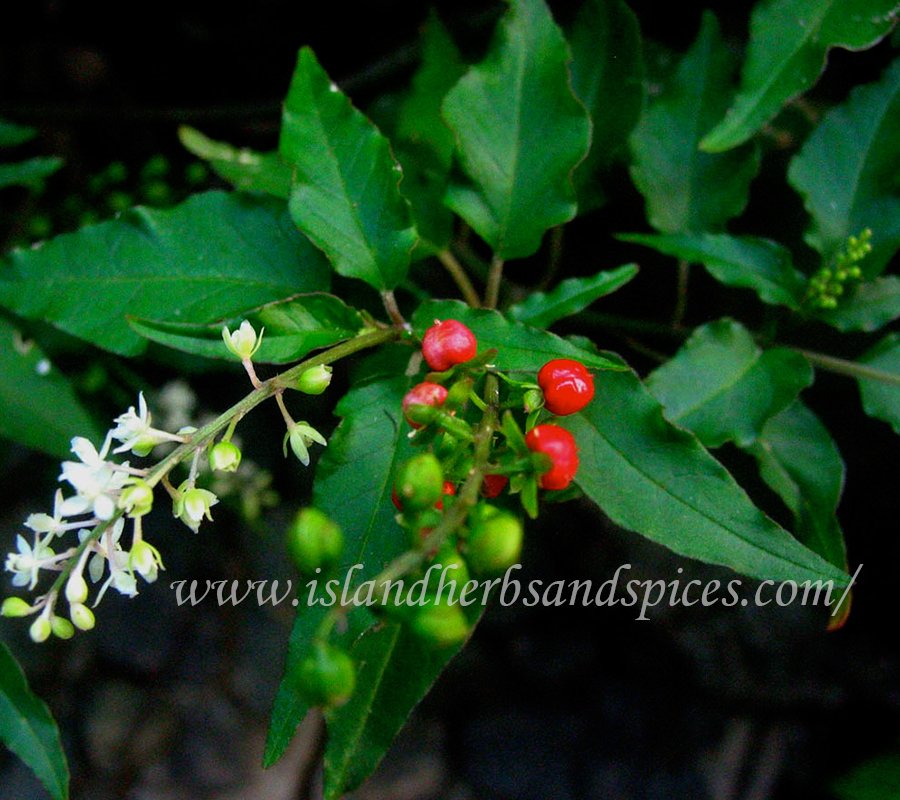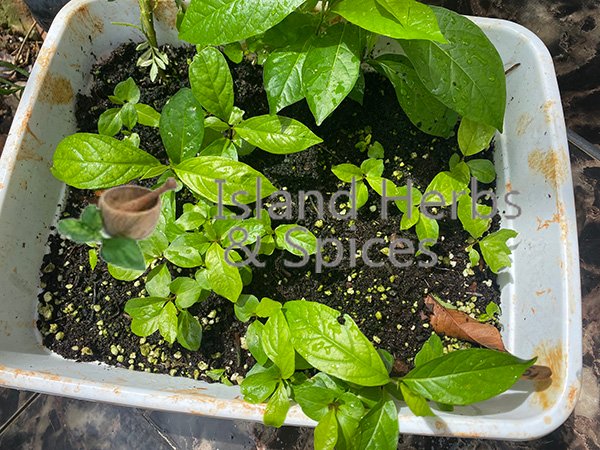
The Anamu Guinea Henweed (Petiveria alliacea) is among one of our fastest-selling herbs, and as a result, it remains in consistently high demand. This powerful medicinal plant has deep roots in Jamaican herbal traditions and continues to be valued both locally and internationally for its wide range of uses.
On our farm, we ensure a steady supply by planting the seeds twice per month. Anamu thrives well in our tropical environment and has spread across various sections of the farm, becoming a natural part of our herbal landscape. The plant is hardy and adaptable, making it suitable for consistent cultivation once properly established.
Propagation begins with the dried, mature seeds. These seeds are carefully harvested and then placed in moist soil to encourage germination. Unlike many fast-growing herbs, Anamu requires patience. The seeds typically take about eight to ten weeks to germinate, which is longer than most common herbs. Once the seedlings are established and transplanted, the plant enters a long growth cycle. It can take up to four years before the plant matures enough for root harvesting.
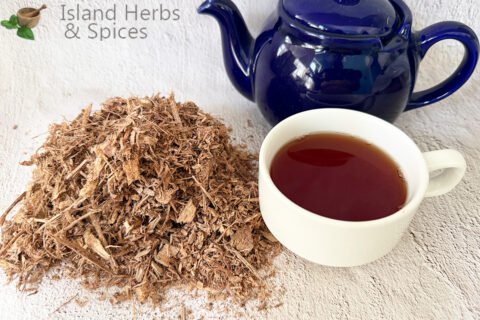
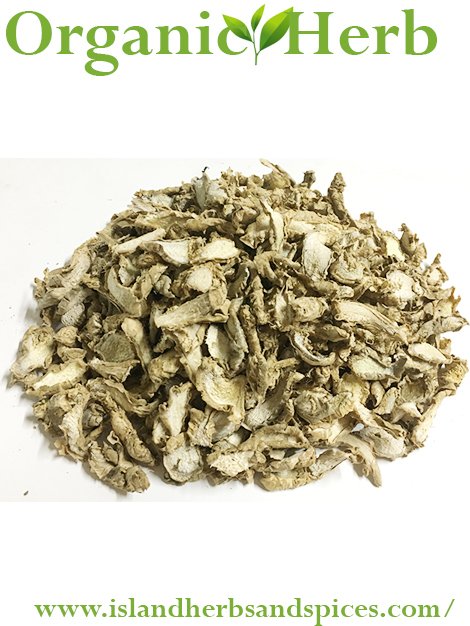
The root is the most valuable part of the Guinea Hen Weed plant. Harvesting involves carefully digging up the entire plant to access the root system. This process must be done with care to preserve the quality and potency of the root, which is later cleaned, dried, and prepared for herbal use. Because of the time and effort involved in growing and harvesting, Anamu is considered a premium herbal product.
Traditional and Medicinal Uses of Anamu
Anamu has been used for generations in Jamaican and Caribbean herbal medicine. It is most commonly prepared as a tea, tonic, or decoction using the root, leaves, or sometimes the whole plant. The herb is known for its strong, garlic-like smell, which is a natural indication of its powerful compounds.
Traditionally, Anamu is used to support the immune system. Many people drink Anamu tea to help the body fight off infections, including colds, flu, and other viral conditions. It is also widely used as a natural anti-inflammatory herb, helping to reduce pain and swelling in the body. This makes it popular among individuals dealing with arthritis, joint pain, and general body aches.
Another important use of Anamu is in detoxification. The herb is believed to help cleanse the blood and remove toxins from the body. In herbal practices, it is often included in detox blends or taken on its own to support liver and kidney function. Regular use in small amounts is said to help maintain overall internal balance.
Anamu is also known for its calming properties. In traditional medicine, it has been used to help reduce stress, anxiety, and nervous tension. Some users report improved sleep and relaxation when drinking Anamu tea in the evenings. Its natural compounds are believed to have mild sedative effects that promote a sense of calm.
Additionally, Anamu has been used in traditional remedies for infections. It is known for its antibacterial and antifungal properties, making it useful in addressing internal and external infections. In some cases, crushed leaves or root preparations are applied topically to help with skin conditions.
There is also growing interest in Anamu for its potential role in supporting overall wellness, including its use in herbal blends aimed at strengthening the body. While traditional use is well documented, it is important to note that individuals should use this herb responsibly and consult a professional when necessary, especially if they are pregnant, nursing, or taking medication.
A Valuable Herb from Our Farm
At our farm, we take pride in growing Anamu naturally and sustainably. From seed to harvest, every stage requires time, care, and knowledge. This dedication ensures that our customers receive a high-quality herbal product that reflects the true essence of Jamaican herbal traditions.
As demand continues to grow, Anamu remains one of the cornerstone herbs in our collection—valued not only for its medicinal benefits but also for the cultural heritage it represents.