Medicinal Herbs Is the Best Choice to Treat Health Issues
Traditional Jamaican Herbs and Natural Remedies for Everyday Wellness
Cannabis (Indica, Cannabis, Sativa Ruberlis)
Jamaican Herbs and Spices: Growing Traditional Herbal Remedies on Our Farm
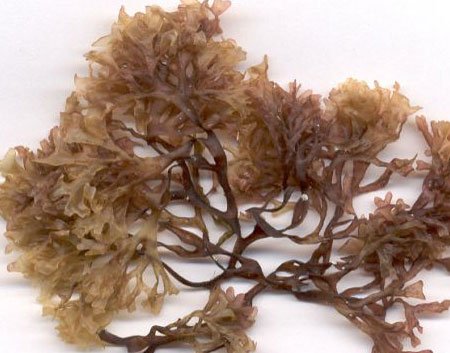
Chondrus Crispus (Irish Moss)
Cassava ( Manihot Esculenta)
Jamaican Cashew Tree Benefits and Traditional Herbal Uses
Cashew Tree Benefits and Traditional Jamaican Uses
The cashew tree is one of the most interesting and valuable trees growing on our farm in Jamaica. While many people know the cashew for its delicious nuts that are enjoyed around the world, the tree itself has also been used traditionally in Jamaican herbal practices for generations. From the bark and leaves to the shell and seed oil, different parts of the cashew tree have long been valued for both medicinal and practical uses.
On our farm, we grow cashew trees naturally alongside many other Jamaican medicinal plants and fruit trees. The trees not only provide shade and beauty to the landscape, but they also produce the famous cashew nuts that are often enjoyed as snacks or served at social gatherings and cocktail events. Fresh cashew nuts have a rich, buttery flavor and are considered one of the most loved tropical nuts worldwide.
In traditional Jamaican herbal culture, the bark and leaves of the cashew tree are commonly used to prepare herbal teas. Older generations often relied on these natural remedies for digestive support and stomach discomfort. A tea made from the bark and leaves has traditionally been used for diarrhea, indigestion, stomach pains, bowel disorders, and dysentery. These herbal practices have been passed down through families and remain an important part of Jamaican bush medicine today.
We harvest the bark and leaves from our farm carefully and naturally. The material is dried and prepared for customers looking for authentic Jamaican herbal products. Many people are becoming interested once again in traditional herbal knowledge and natural remedies that have been used in the Caribbean for generations.
The cashew tree also has several other traditional uses that many people may not know about. The oil from the cashew seed has been used in folk remedies for removing warts, corns, and freckles. While this was a common traditional practice, care was always taken because the oil can be very strong when applied directly to the skin.
Another practical use of the cashew tree comes from the shell. In Jamaica and other tropical regions, the shells were sometimes soaked in water to create a natural insecticide spray for plants. Farmers valued these types of homemade solutions long before modern chemical sprays became widely available. It is another example of how resourceful rural communities were in using every part of the plants around them.
Growing cashew on our farm is something we truly enjoy. Watching the trees flower and produce fruit each season reminds us of the richness of Jamaica’s natural environment. The bright cashew apples hanging from the trees with the nut attached underneath always attract attention from visitors touring the farm. Many guests are surprised to learn how cashews actually grow and are fascinated by the traditional uses of the tree.
At Island Herbs and Spices, we continue to preserve and share these Jamaican herbal traditions. The bark and leaves of the cashew tree, along with special-order cashew products and nuts, are available through our website for customers interested in authentic farm-grown Jamaican herbs and natural products.
The cashew tree is more than just a source of nuts. It is a tree deeply connected to traditional Caribbean living, herbal knowledge, and sustainable farming practices. From food to herbal teas and practical farm uses, the cashew tree remains an important part of life on our Jamaican farm.
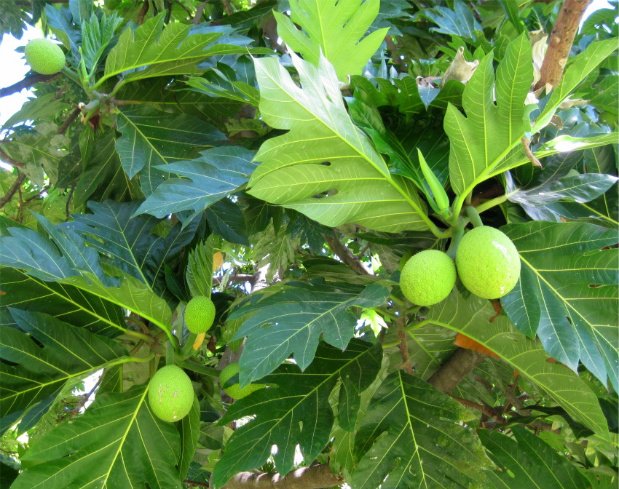
Jamaican Breadfruit Leaves Tea and Traditional Herbal Uses
Breadfruit Leaves and Sap: Traditional Jamaican Uses from Our Farm
The breadfruit tree is one of the most treasured trees on our farm and throughout Jamaica. While many people know breadfruit for its rich, filling fruit that can be roasted, boiled, fried, or used in delicious Jamaican dishes, the tree itself has long been valued in traditional herbal practices as well. From the leaves to the sap, different parts of the breadfruit tree have been used by generations of Jamaicans for natural wellness and home remedies.
On our farm, the breadfruit trees provide shade, food, and herbal value all in one. We harvest and dry breadfruit leaves which are traditionally used to make herbal tea. Many people in Jamaica have used breadfruit leaf tea for years as part of their natural lifestyle, especially for supporting healthy blood pressure levels and managing diabetes. The leaves contain compounds such as camphoral, and the tea remains a popular bush remedy in many rural communities across the island.
Growing up in Jamaica, it was common to hear older people speak about the healing value of the breadfruit tree. Breadfruit leaf tea was often prepared fresh from leaves picked directly from the tree. Today, we continue that same tradition on our farm by carefully harvesting the leaves, drying them naturally, and preparing them for customers who appreciate authentic Jamaican herbal products.
The breadfruit tree is not only useful for the leaves. The sticky white sap that runs from the tree has also been used traditionally in Jamaican folk medicine. In many communities, the sap was applied to contagious skin ailments to help prevent spreading and promote healing. Older generations believed the sap created a protective barrier over the affected area.
Another traditional use of the breadfruit sap involves boiling it until it forms a rubber-like substance. This material was then used as a natural dressing for wounds. These old-time remedies reflect the resourcefulness of Jamaican people who relied heavily on the plants and trees around them for daily living and natural care.
Beyond its medicinal uses, the breadfruit tree plays an important role in Jamaican culture and food. A single tree can produce a large amount of fruit each season, helping to feed families and communities. Roasted breadfruit with ackee and saltfish is still considered one of Jamaica’s most loved traditional meals. The tree itself is hardy and productive, making it an important part of sustainable farming on the island.
On our farm, we value every part of the breadfruit tree. The fruit is enjoyed in our kitchen, while the leaves are harvested and dried as part of our herbal offerings. We take pride in growing these trees naturally and sharing a piece of Jamaica’s herbal traditions with our customers.
Traditional herbal knowledge has been passed down through generations in Jamaica, and the breadfruit tree remains one of the many plants that continue to hold cultural and practical importance. Whether enjoyed as food or used in herbal preparations, breadfruit remains a true Jamaican treasure.