Should You Drink Water Before Bed? Insights from Experts
Jamaican Bush Tea for Wellness: Traditional Herbal Remedies for Modern Health
Jamaican bush tea holds a storied place in both the history and the heart of Jamaican culture. Traditionally consumed for both its flavor and medicinal benefits, this herbal beverage is gaining popularity worldwide as a cornerstone of wellness routines. Explore how these ancient brews can contribute to modern health practices.
The Roots of Jamaican Bush Tea
Bush tea in Jamaica is not just a drink; it's a remedy passed down through generations. Common ingredients like lemongrass, known locally as "fever grass," ginger, and moringa, each carry properties that have been cherished by Jamaicans for their healing effects. These teas have been used traditionally to treat everything from colds and fever to anxiety and insomnia.
Top 5 Jamaican Bush Teas for Health and Wellness
Lemongrass Tea: Refreshing and calming, lemongrass tea is a staple in many homes for relieving pain and boosting immunity.
Ginger Tea: Known for its ability to soothe upset stomachs, ginger tea is a powerful anti-inflammatory.
Moringa Tea: Loaded with antioxidants, moringa boosts energy levels and supports metabolic health.
Cerassie Tea: Often turned to for detoxification, cerassie can be bitter but highly effective.
Peppermint Tea: Excellent for digestion and a soothing agent for stressful days.
How to Prepare Traditional Jamaican Bush Tea
Preparing bush tea involves more than steeping leaves; it's about embracing an herbal tradition. Start by sourcing fresh dried, authentic ingredients sold here from island Herbs and spices. For a true Jamaican experience, herbs are often boiled in water for a few minutes to extract their full flavor and medicinal properties. Each tea can be enjoyed plain or sweetened according to taste.
Modern Wellness and Traditional Practices
Integrating bush tea into modern wellness routines is easy and beneficial. These teas offer a natural way to support various aspects of health, including digestion, immune function, and mental well-being, aligning perfectly with the holistic approach to modern health.
Conclusion
Embracing Jamaican bush tea is about more than enjoying a warm, soothing beverage. It's a step toward blending time-honored remedies with contemporary wellness practices. Whether you're a long-time tea enthusiast or new to the world of herbal brews, exploring the benefits of Jamaican bush tea could be your pathway to a healthier life. Jamaican Chaney Root Growing Wild on Our Farm in the Hills of Jamaica
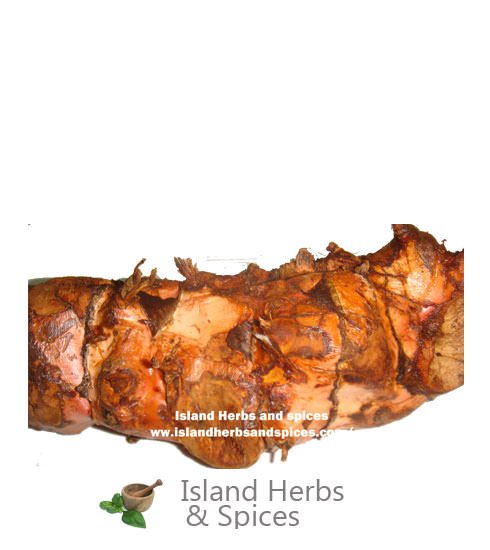
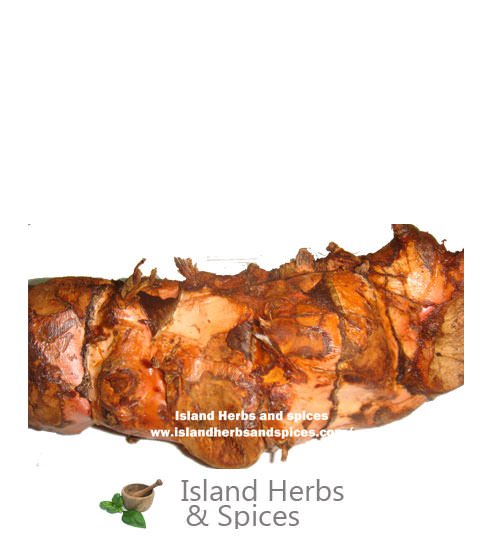
Here on our farm in the hills of Jamaica, Chaney Root is one of the special roots we proudly introduce to our visitors during our medicinal herb tour. This strong climbing vine grows naturally along the hillside, winding its way through trees and fences just as it has done in Jamaica for generations. Many of our guests are fascinated when they first see the root growing in its natural environment because Chaney Root has been part of Jamaican herbal traditions for a very long time.
Jamaican Chaney Root, scientifically known as Smilax balbisiana, has always been respected in rural Jamaican communities. Growing up in the country, herbal roots and bush teas were simply part of everyday life. Elders would gather roots from the hills and prepare them slowly over wood fires to make strengthening tonics and herbal teas. Chaney Root was one of those roots often spoken about for helping to build the blood, improve strength, and support the body naturally.
On our farm, the root grows wild in the cool hilly section where the soil stays rich and moist. We carefully harvest small portions while allowing the plant to continue growing naturally. The long woody roots are usually washed, dried, and boiled for several hours to make a strong tea or tonic. Many Jamaicans combine Chaney Root with other traditional roots and herbs to create natural drinks used for vitality and overall wellness.
Chaney Root is commonly known in Jamaica for its blood cleansing and strengthening properties. Traditionally, many people drink it as a natural tonic to support circulation, energy, stamina, and general well-being. Some also use it as part of herbal blends for joint discomfort, stress, and fatigue. Over the years, the root has become one of Jamaica’s well-known herbal remedies and continues to be valued by many people both locally and overseas.
One of the things we enjoy most during our farm tours is walking guests through the hills and showing them these traditional Jamaican plants growing naturally. It gives visitors a deeper appreciation for the connection between Jamaican culture, farming, and herbal medicine. Many people leave surprised by how much natural healing knowledge still exists in the Jamaican countryside.
Today, Chaney Root remains an important part of Jamaican herbal traditions and continues to represent the island’s deep connection to nature and bush medicine.
Exploring Chaney Root Growing Wild on Our Jamaican Farm
Nestled within the vibrant flora of Jamaica lies a powerful and traditional herbal remedy known as the Chaney Root. This potent root has been a cornerstone of Jamaican herbal medicine for centuries, celebrated for its rich mineral and iron content. Chaney Root is not just a plant; it's a testament to the natural wealth of Jamaica and its traditional practices of healing and wellness.
Historical and Cultural Significance
The use of Chaney Root in Jamaica dates back to a time when indigenous knowledge of herbs formed the backbone of medical practices. It has been passed down through generations, deeply ingrained in Jamaican culture and traditional healing rituals. The root is believed to possess revitalizing properties, making it a popular choice for boosting vitality and endurance. Its significance is not merely medicinal but also cultural, embodying the strength and resilience of the Jamaican people.
Health Benefits
Chaney Root is renowned for its mineral and iron content, vital nutrients that play crucial roles in our overall health. Iron is essential for the production of red blood cells and the prevention of anemia, while minerals like zinc and magnesium support immune function and bone health. Studies have shown that traditional herbs like Chaney Root can offer a natural alternative to synthetic supplements, providing the body with a more holistic form of nourishment.
How to Use Jamaican Chaney Root
Incorporating Chaney Root into your daily health regimen can be both simple and beneficial. Traditionally, it is prepared as a tea or decoction, simmered gently to extract its potent properties. For a more modern approach, Chaney Root can also be found in tinctures and capsules, offering a convenient way to enjoy its benefits. Regular consumption, as part of a balanced diet, can aid in maintaining optimal health and wellness.
Why Choose Our Jamaican Chaney Root?
At Island Herbs and Spices, we are committed to providing our customers with the highest quality Chaney Root, sourced directly from the lush landscapes of Jamaica. Our dedication to sustainable sourcing and authenticity ensures that every product not only supports your health but also contributes to the preservation of traditional Jamaican practices. Explore our collection and experience the natural power of Jamaican Chaney Root.
Conclusion
Jamaican Chaney Root is more than just a herb; it's a bridge to the rich heritage and natural medicine of Jamaica. Packed with essential minerals and iron, it offers a natural solution to those seeking to enhance their health and vitality. At Island Herbs and Spices, we invite you to discover the benefits of Chaney Root and embrace the traditional wisdom that has nurtured generations. Visit our website to learn more and begin your journey to natural wellness with Chaney Root. Prostate Health: Understanding the Gland
Anamu herb (Guinea Henweed) is indigenous to the Amazon rain-forest and the tropical areas of the Caribbean, Central and South America, and Africa. The herb should be boiled and drunk as tea by men over forty on a regular basis to help clean and maintain good prostate health.
Shama Macka – Sensitiva (Mimosa Pudica)The Shama Maca is a perennial creeping herbaceous plant that is currently gaining popularity among quite a number of people all across the planet as a medicinal herb. Among its many uses is to clean the prostate and help with swollen and enlarged prostate problems. The herb is best boiled and drunk as tea on a regular basis.
Jamaican Herbs for Erectile Dysfunction and Prostate Health Naturally
How Age Influences Erectile Dysfunction (ED)
Erectile dysfunction can affect men of various ages, but its prevalence generally increases with age. Here is a breakdown of how age can influence the occurrence of erectile dysfunction: Younger men: While erectile dysfunction is less common among younger men, it can still occur. ED is often associated with psychological factors such as performance anxiety or relationship issues in this age group. Lifestyle factors like excessive alcohol consumption, drug use, or smoking can also contribute to ED in younger men. Middle-aged men: As men enter their 40s and 50s, the prevalence of erectile dysfunction starts to rise. At this stage, both physical and psychological factors can play a role. Conditions such as obesity, diabetes, hypertension (high blood pressure), and cardiovascular disease become more prevalent with age and can affect erectile function. Stress, anxiety, and depression may also contribute to ED in middle-aged men. Older men: Erectile dysfunction becomes increasingly common as men age. According to research, the prevalence of ED in men aged 60 and above is significantly higher than in younger age groups. Aging itself can contribute to ED due to natural changes in the body, including reduced hormone levels (such as testosterone), decreased blood flow to the penis, and increased risk of underlying health conditions. It's important to note that while age is a risk factor for erectile dysfunction, it does not mean all men will experience it as they age. Many older men maintain satisfactory sexual function, and the severity of ED can vary widely among individuals.Preventing ED and Maintaining a Healthy Prostate
Maintain a healthy lifestyle: Adopting a healthy lifestyle can contribute to overall well-being and reduce the risk of erectile dysfunction. Some key aspects include: Regular exercise: Engage in moderate-intensity aerobic exercise, such as brisk walking, jogging, or swimming, for at least 150 minutes per week. Balanced diet: Eat a nutritious diet that includes fruits, vegetables, whole grains, lean proteins, and healthy fats. Limit consumption of processed foods, sugary drinks, and foods high in saturated fats. Maintain a healthy weight: Obesity is associated with an increased risk of ED, so strive to achieve and maintain a healthy weight. Manage chronic conditions: Certain medical conditions, such as diabetes, hypertension (high blood pressure), and cardiovascular disease, can contribute to erectile dysfunction. As advised by healthcare professionals, it's vital to effectively manage these conditions through proper medical care, medication adherence, and lifestyle modifications. Avoid tobacco and limit alcohol: Smoking and excessive alcohol consumption can negatively impact erectile function. Quitting smoking and moderating alcohol intake can help reduce the risk of ED. Manage stress and psychological factors: Chronic stress, anxiety, and depression can contribute to erectile dysfunction. Seek appropriate methods to manage stress, such as exercise, relaxation techniques, counseling, or therapy. Communicate with your partner: Open and honest communication with your partner about sexual concerns can help alleviate anxiety and improve intimacy. Addressing relationship issues and seeking support can promote a healthier sexual relationship. Get regular check-ups: Regular prostate screenings and check-ups with your healthcare provider are essential, especially as you age or if you have risk factors. Discuss with your doctor about appropriate screening tests, such as prostate-specific antigen (PSA) blood tests and digital rectal exams (DRE). Be aware of family history: If you have a family history of prostate problems or prostate cancer, inform your healthcare provider. They may recommend earlier or more frequent screenings. Stay hydrated and limit bladder irritants: Drinking adequate water helps maintain urinary and prostate health. Limiting or avoiding bladder irritants such as caffeine, spicy foods, and alcohol may benefit some individuals. Herbs that can help you maintain a Healthy Prostate are available here.How severe is ED, and how does it affect a man?
Erectile dysfunction (ED) is a significant condition that can have physical, psychological, and emotional effects on a person. Here is a summary of how ED can affect an individual:- Sexual and Relationship Impact
- Difficulty achieving or maintaining an erection can lead to a decreased ability to engage in sexual activity and may cause strain or dissatisfaction in intimate relationships.
- It can result in a loss of self-confidence, lowered self-esteem, and feelings of inadequacy.
- Intimacy and communication issues may arise between partners due to the emotional impact of ED.
- Psychological Impact
- ED can cause frustration, anxiety, and stress related to sexual performance.
- Performance anxiety can further contribute to the problem, creating a cycle of heightened stress and worsened erectile function.
- Depression and mood disorders can be triggered or exacerbated by the emotional distress associated with ED.
- Overall Well-being
- ED can hurt a person's overall quality of life and well-being.
- It may affect social interactions, self-image, and overall happiness.
- Feelings of embarrassment, shame, or guilt can arise, leading to a reluctance to seek help or discuss the issue with a healthcare professional.
- Underlying Health Concerns
- ED can be an early indicator of underlying health conditions, such as cardiovascular disease, diabetes, or hormonal imbalances.
- Recognizing ED as a potential symptom and consulting a healthcare professional for proper evaluation and identification of any associated health issues is essential.
Herbs for Erectile Dysfunction
Ra-Moon Leaf and Bark
Ra-Moon, scientifically known as Trophis racemosa, is a tree native to Jamaica and other tropical regions. It has traditional significance in Jamaican culture, with various uses and health benefits. According to scientific research, Ra-Moon can be used to treat erectile dysfunction (ED). Traditional knowledge and anecdotal evidence suggest that Ra-Moon has aphrodisiac properties and could assist with sexual vitality. In conventional Jamaican herbal practices, it has been utilized as an herbal infusion or remedy for enhancing sexual function and addressing issues related to libido and sexual performance.Medina Jamaican Herb
Medina Jamaican Herb, scientifically known as Alysicarpus vaginalis, is a plant species native to Jamaica and other Caribbean islands. It has a history of traditional use in Jamaican herbal medicine, particularly for its aphrodisiac properties. Medina Jamaican Herb has been studied to possess properties that can enhance sexual vitality and support sexual health. It is commonly used as an herbal remedy to address concerns related to libido, erectile dysfunction, sexual performance, and overall sexual well-being.Jamaican Roots
Jamaican roots refer to various plant roots with traditional and cultural significance in Jamaican herbal medicine. These roots are often utilized for their medicinal properties and are known for their various health benefits. Several roots have benefits for sexual performance and erectile dysfunction (ED). Here are some Jamaican roots that are traditionally associated with sexual health: ` Black wiss, puron bark, chaney root, raw moon, allman strength, these roots are combined and boiled to make a roots tonic, this tonic is very popular in Jamaica and can be found in the market and along the street in some sections of the Island. This drink is called the Jamaican wood root Tonic and is used by men of all ages on the Island to help with ED and and for strength and stamina. Horny Goat Weed Horny Goat Weed, scientifically known as Epimedium, is an herb traditionally used in Chinese medicine for centuries. It is also known by other names, such as Yin Yang Huo or Epimedium sagittatum. Horny Goat Weed is famous for its aphrodisiac properties and ability to enhance sexual function and address erectile dysfunction (ED). Studies show that it works by increasing blood flow to the genital area, relaxing smooth muscles, and stimulating the production of certain hormones related to sexual function. It contains a compound called icariin, which is responsible for these effects.Velvet Bean
Velvet Bean, scientifically known as Mucuna pruriens, is a legume native to tropical regions. It has a long history of use in traditional Ayurvedic medicine and is known for its benefits on various aspects of health, including sexual function. One of the primary active compounds in Velvet Bean is L-Dopa (levodopa), which is a precursor to dopamine, a neurotransmitter involved in regulating mood, motivation, and sexual function. Due to its L-Dopa content, Velvet Bean is often promoted for its aphrodisiac properties and ability to enhance sexual performance. Research claims that Velvet Bean can help improve libido, increase sperm count and motility, and address symptoms of erectile dysfunction (ED).Conclusion
It's important to remember that natural remedies may interact with medications or underlying health conditions. It's best to consult with a healthcare professional to evaluate the underlying causes of ED and provide guidance on the appropriate use of natural remedies, considering your health situation. They can also discuss other treatment options available for managing erectile dysfunction. NOTE: We highly recommend that before using any herbal medications you should consult your health care provider or medical doctor for professional advice. Disclaimer: All herbs and spices listed on http://islandherbsandspices.com/ or sold for medical and household use only, again we advice that before using any HERBS for medical purposes, please consult your physician.Jamaican Ginger Benefits and Traditional Uses: The Power of Organic Jamaican Ginger Tea
The Jamaican Ginger, scientifically referred to as Zingiber Officinale, is an herb used in traditional medicine to fight different diseases. It has various medicinal properties such as anti-inflammatory, antifungal, antioxidant, anticoagulant, antiseptic, antiviral, antimicrobial, antiemetic, and so on. These are just a few of the properties of this herb and it explains why ginger is used in treating various ailments. Generally, Ginger is considered safe by the Food and Drug Administration. In alternative medicine, it has been used in treating a large number of sicknesses such as heart diseases, migraines, chronic fatigue, and cold. Traditionally, when combined with honey, ginger can be used in treating respiratory problems. In Jamaica, ginger is used in treating other illnesses such as diabetes, diarrhea, menstrual problems, diabetes, motion sickness, and so on. Ginger is effective in treating rheumatism and arthritis due to its anti-inflammatory properties. The Jamaican Ginger Tea can be purchased online at Island Herbs & Spices.
Ginger and Its Constituents
Ginger is popularly used globally, particularly in most Asian countries. Ginger is said to contain more than 400 different compounds when subjected to chemical analysis. The main constituents found in ginger rhizomes are lipids (3 – 8%), phenolic compounds, terpenes, and carbohydrates.Use of Ginger for Alternative Medicine
The use of ginger as medicine as well as a spice in China and India can be traced to ancient times. As far back as the 9th century in Europe and from the 10th century in England, ginger has been known for its medicinal properties. Native Americans used wild ginger rhizomes in regulating heartbeat and menstruation. Ginger reduces nausea by directly acting on the gastrointestinal system. With this, it is used in preventing nausea resulting from surgery, motion sickness, and chemotherapy. Ginger is popularly known as a medication for nausea in pregnant women. Ginger is used in treating different types of other gastrointestinal problems such as colic, gas, morning sickness, bloating, flatulence, upset stomach, discomfort after a meal (dyspepsia), heartburn, loss of appetite, and diarrhea. The Indian Ayurvedic alternative medicine uses ginger in enhancing food digestion. In addition to these, ginger has been used as pain relief for chest pain, arthritis, stomach pain, muscle soreness, menstrual pain, and low back pain. It is used as a natural antibiotic in treating bronchitis, cough, and other upper respiratory tract infections. With its anti-inflammatory properties, ginger is recommended for joint problems. Its juice extract has been used in treating skin burns. Ginger’s active component is used as antacid and laxative medications. It lowers high blood pressure and boosts circulation by warming the body. Also, due to this warming effect, ginger is used as an antiviral in treating flu and cold. Ginger has an appealing scent so much that is used as a flavoring agent in beverages and foods, and as a fragrance in cosmetics and soaps. Browse our site for a wide selection of 100% organic Jamaican Spanish Ginger, and other herbs and spices today.Making the Jamaican Roots Tonic
Jamaican root tonics are an important aspect of the country’s ethno-medical heritage and a lot of people across the entire globe depend on them for a variety of health benefits. These tonics have been in existence for several years due to their numerous health benefits. The tonics are made from deep decoctions of barks, roots, leaves and stems of different plants that are also consumed for vitality
Also known as smilax ornate, the sarsapilla is a trailing vine native to Mexico and Central America. It is a perennial plant with prickly stems and they are climbing plants that can grow to a height of 10 meters. Sarsapilla is very damage tolerant plant and even after they are cut they still grow from their rhizomes easily. This plant is an important component in the Jamaican Roots Tonic due to its benefits on health. An extract from its roots are used in making the Sarsaprilla drink and several other root drinks.
Ra-moon is a small tree native to Jamaica and the Caribbean region. Its increased demand is due to the numerous health benefits associated to it, making it an endangered species. It is however still common in the deep forests of Jamaica. Both its leaves and the barks are used as sexual stimulants believed to help in improving sexual potency and stamina. It is also used to boost the body’s general energy and a perfect solution for fatigue.
- Soursop leaves
- Three Ounces each Roots (Name Listed below)
- Two Quart Water
Why Jamaican Medicinal Herbs Are Making a Comeback for Natural Wellness
Why More People Are Turning Back to Jamaican Medicinal Herbs for Natural Wellness
Growing up in the Jamaican countryside, medicinal herbs were a normal part of everyday life. If someone had a cold, belly pain, stress, or trouble sleeping, there was always a bush tea boiling on the stove. Long before modern pharmacies became popular, our parents and grandparents depended on herbs from the yard, the hills, and the farm to help keep the family healthy.
Today, even with all the advances in medicine and technology, many people are once again turning back to natural herbs and traditional remedies. One of the main reasons is that people are becoming more mindful about what they put into their bodies. More persons are searching for natural wellness options, herbal teas, immune-supporting herbs, and chemical-free products that fit into a healthier lifestyle.
One thing I personally love about medicinal herbs is how natural and simple they are. On our farm, many of the herbs we grow are used the same way they were used generations ago. Herbs like soursop leaf, cerasee, guinea hen weed, moringa, fever grass, and Spanish needle are still commonly prepared as teas and natural tonics here in Jamaica.
Another reason people appreciate herbs today is because many plants contain several natural compounds that have been traditionally used to support the body in different ways. Instead of relying heavily on overly processed products, many families now enjoy drinking herbal teas daily as part of their wellness routine.
Herbal medicine is also becoming popular because of accessibility. In Jamaica especially, many medicinal plants grow naturally in our backyards and hillsides. Some people even start their own small kitchen gardens so they can have fresh herbs close by whenever needed.
Cost is another factor. Natural herbs are often more affordable than many modern wellness products. A few fresh or dried herbs can make several cups of tea, and many people enjoy knowing exactly where their herbs come from.
Of course, herbal remedies should always be used responsibly, and persons with medical conditions or those taking medication should speak with a healthcare professional before using herbs regularly. Herbs are not magic cures, but they continue to play an important role in traditional wellness and healthy living for many people around the world.
At Island Herbs & Spices, we continue to grow and prepare many of our herbs naturally in the Jamaican hills, just the way our elders taught us years ago. For us, herbal medicine is not just business — it is part of our culture, family tradition, and everyday life.