Jamaican Black Wiss – Traditional Jamaican Bush Herb
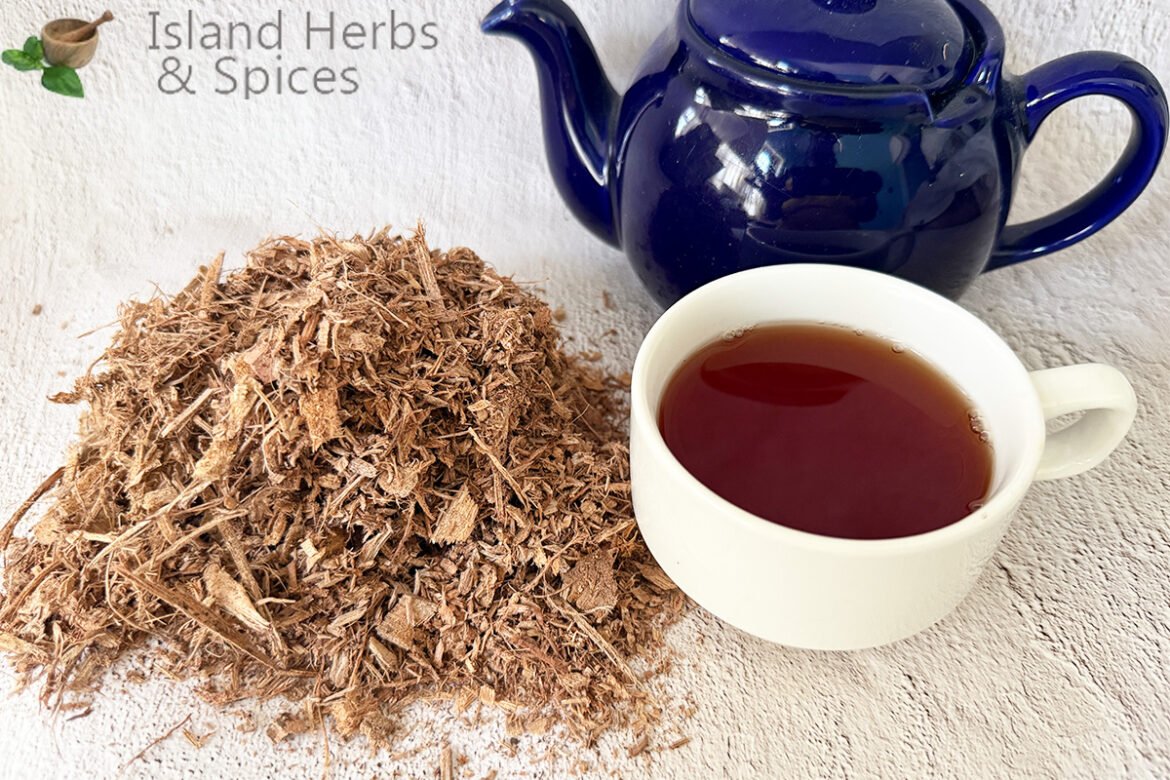
Black Wiss is a traditional Jamaican bush herb valued as part of the island’s long history of herbal and roots preparations. It is commonly combined with other Jamaican herbs to prepare strong herbal teas, roots drinks, and traditional tonics.
In Jamaican folk practice, Black Wiss has traditionally been associated with strength, stamina, vitality, general wellness, and restoring the body when feeling tired or run down. It may be blended with traditional roots and herbs such as Chaney Root, Sarsaparilla, Strong Back, Medina, Nerve Wiss, and Ra-Moon to create a rich Jamaican roots tonic.
Black Wiss represents the knowledge of Jamaican bush medicine that has been passed from one generation to another. Its traditional use continues today among people who appreciate locally harvested herbs and authentic Jamaican herbal preparations.
Disclaimer: Traditional herbal uses are not scientifically proven treatments for disease. Always confirm correct botanical identification before use. Consult a healthcare professional if pregnant, breastfeeding, taking medication, or managing a medical condition.Red Malabar Spinach Powder Grown on Our Jamaican Organic Farm
Red Malabar Spinach: A Powerful Tropical Superfood Growing on Our Jamaican Farm
At our organic farm in the hills of Jamaica, we are always excited to introduce new plants that combine beauty, nutrition, and traditional wellness. One of the newest additions to our farm is Red Malabar Spinach, a fast-growing climbing vine with deep red stems and rich green leaves that has quickly become one of the most eye-catching plants in our garden.
We recently started harvesting the leaves for drying, and our goal is to produce a natural Red Malabar Spinach powder for our customers who enjoy adding healthy herbal foods to their daily routine.
Red Malabar Spinach, scientifically known as Basella rubra, is not a true spinach, but it is widely valued around the world as a nutrient-rich leafy green. The plant thrives in warm tropical climates like Jamaica and grows vigorously during the rainy season. Its thick, juicy leaves and colorful stems make it popular both as a food crop and an ornamental garden plant.
One of the things we love most about Red Malabar Spinach is how productive it is. The vine continues producing fresh leaves for harvesting throughout the season, making it an excellent addition to our medicinal and culinary garden tours. Guests are often surprised to see how beautifully it climbs and spreads across the farm.
Traditionally, Malabar Spinach has been used in herbal and natural medicine for generations. The leaves are known to contain vitamins A and C, iron, calcium, magnesium, antioxidants, and plant compounds that support overall wellness. Many people use Malabar Spinach to support healthy digestion, natural detoxification, healthy skin, hydration, and immune support.
Because the leaves contain natural fiber and mucilage, they are often used to help soothe the digestive system and support bowel regularity. In traditional herbal practices, Malabar Spinach has also been used as a cooling herb for the body, especially during hot weather.
The deep green leaves are also rich in antioxidants that may help protect the body from oxidative stress caused by free radicals. Some herbal users include it as part of a healthy lifestyle focused on heart health, energy, and natural vitality.
We have started carefully harvesting the leaves by hand before naturally drying them to help preserve their color and nutritional value. Once dried, the leaves are powdered into a fine green supplement that can easily be added to smoothies, juices, soups, teas, porridge, or capsules.
How to Use Red Malabar Spinach Powder:
• Add 1 teaspoon to smoothies or fruit juices • Blend into green drinks and wellness shots • Sprinkle into soups or stews • Mix into herbal teas • Add to porridge or oatmeal • Fill into capsules for easy daily use
The powder has a mild earthy flavor that blends well with many natural foods and herbal combinations.
As we continue growing Red Malabar Spinach on the farm, we are excited to share this beautiful tropical plant with visitors and customers looking for natural Jamaican-grown wellness products directly from our herbal garden.
Nature continues to provide amazing plants, and Red Malabar Spinach is quickly becoming one of our favorite additions to the farm.How Jamaican Ginger Grows Underground: Fresh Organic Ginger on Our Ocho Rios Farm
Jamaican Ginger Growing on Our Farm in Ocho Rios
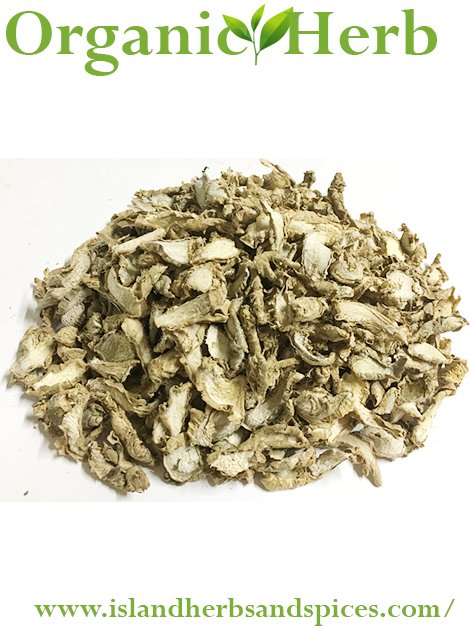
One of the herbs that always catches the attention of our guests on the farm is Jamaican Ginger (Zingiber officinale). We grow ginger right here on our organic farm in the hills of Ocho Rios, and one of the most surprising things for many visitors is discovering that ginger actually grows underground. A lot of people use ginger every day in tea, cooking, juices, and herbal remedies, but they have never seen how it grows.
During our herbal garden and cooking tours, we often pull back the soil to show guests the ginger rhizomes developing beneath the earth. The look of surprise on their faces is always something special. Some guests expect ginger to grow on a tree or above the ground like a fruit or vegetable. Instead, the plant produces long green leaves above the soil while the real ginger grows underneath the dirt where it slowly matures over several months.
We use fresh Jamaican ginger almost every day on the farm. It is one of the main ingredients in many of our herbal teas, natural juices, and Jamaican dishes. There is nothing like cutting fresh ginger from the ground and immediately using it in a cup of hot tea or in our authentic Jamaican cooking. The smell alone tells you how fresh and powerful it is.
Growing ginger naturally takes patience. We plant the ginger pieces directly into rich soil and allow the plants to develop slowly. Jamaica’s warm climate and rainfall help produce strong, flavorful ginger with a rich spicy aroma. Because we grow it organically, our guests can see the difference in the freshness and quality.
In Jamaica, ginger has been used for generations as both a spice and a traditional herbal remedy. Many families make ginger tea for cold, flu, belly pain, gas, menstrual cramps, and joint pain. On rainy days, a hot cup of ginger tea with honey is still one of the most comforting drinks you can have. I personally enjoy using fresh ginger with turmeric, lime, and honey when making herbal tea at home.
Ginger is also well known for helping with digestion and motion sickness. Some people drink it before traveling, while others use it after meals. Its warming effect on the body makes it a favorite herb throughout the Caribbean.
Guests visiting our Taste of Jamaica farm tour often enjoy seeing the ginger growing naturally alongside other Jamaican herbs such as turmeric, Lemon grass, soursop leaf, peppermint, cerasee, and guinea hen weed. It gives people a better appreciation for how herbs are grown and traditionally used in Jamaica long before modern medicine became common.
We are always happy to share our knowledge of Jamaican herbs and allow guests to experience a real farm-to-table connection straight from the soil to the cup.
Chaney Root in Jamaica: Traditional Jamaican Root for Strength and Wellness
Growing up in rural Jamaica, I watched many of the older men in my family rely on medicinal roots and herbs as part of their daily lives. Today, as we harvest Chaney Root from the hilly section of our farm, I often reflect on those memories and the traditions that have been passed down through generations.
One may wonder why we harvest Chaney Root from the hills instead of the cultivated garden areas. From my personal experience, Chaney Root naturally prefers the untouched hillsides, away from busy farming activity and human disturbance. On several occasions, I tried to cultivate Chaney Root closer to our herbal garden so guests visiting our farm could easily see the plant. Unfortunately, I had no success. The plant simply refused to thrive and seemed to prefer the quiet, natural environment of the Jamaican hills.
As a child, I vividly remember the men in my family drinking Chaney Root tea regularly and swearing by its ability to give them strength and energy. My father and uncle were both hardworking cane farmers, and looking back now, I often wonder how they managed such demanding physical labor well into old age.
My uncle lived to the age of 87 and sadly passed away from pneumonia. At the time, I was not living nearby, but family members said he had still been working in the rain shortly before he became ill. Even in his later years, he believed deeply in the strength-giving power of Chaney Root tea and continued drinking it faithfully throughout his life.
My father, on the other hand, passed away at 89 due to heart-related complications, a condition that runs in our family. Even during his final days in the hospital, he still requested his Chaney Root tea. Today, my husband continues this family tradition by drinking a cup of Chaney Root tea most mornings.
As for myself, I do enjoy a cup of Chaney Root tea from time to time. However, I personally believe that herbs should be rotated rather than consumed continuously without rest. I often encourage people to enjoy herbs while they are healthy, not only when illness appears. In my opinion, herbs can help support the immune system, maintain the liver, assist the kidneys, and contribute to overall wellness over the years.
I can also remember my father regularly drinking another herb called Ruellia tuberosa, along with several other medicinal plants. As a child, I always wondered why he traveled such long distances to collect it. Years later, I learned he had stomach problems, another issue common in our family, and that herb was his natural remedy of choice. Judging from the fact that I rarely heard him complain about stomach pain, I believe it served him well.
My uncle, meanwhile, loved the bitter herb Cerasee. For many years, I could not understand how anyone could drink something so bitter. Ironically, as I grew older, Cerasee became one of my favorite cleansing herbs. Today, I often prepare a large batch, store it in the refrigerator, and drink a small cup each morning for a couple of weeks as a way to refresh and revitalize my body.
But returning to Chaney Root — this remarkable Jamaican root remains one of the most respected traditional roots used throughout rural Jamaica. It is especially valued by many Jamaicans for strength, stamina, and vitality. Because it naturally grows in the hills, it has long been easily accessible to country people who relied heavily on herbal remedies and roots tonics.
Chaney Root itself is extremely hard and woody. Traditionally, the root is soaked overnight before being boiled for ten to twenty minutes to make tea. One interesting thing about Chaney Root is that the same root can often be reboiled several times, producing multiple batches of tea before losing its strength.
Here at Island Herbs and Spices, our Chaney Root is carefully harvested from the hilly sections of our farm, where it grows naturally and organically. We proudly offer this premium Jamaican root as part of our collection of authentic Jamaican herbs and roots, available to ship directly to your home.
Jamaican Herbal Tea Bags – Traditional Caribbean Bush Teas from Jamaica
Herbal tea has been part of Jamaican culture for centuries. Across the island, families have traditionally used herbal teas made from fresh leaves, roots, bark, and spices to support wellness and relaxation. Today, Jamaican herbal tea bags are becoming popular worldwide as more people search for natural and authentic herbal products from the Caribbean.
Jamaican Organic Herbal Products
Jamaica is known around the world for its rich culture, tropical climate, and fertile soil. Beyond the beaches and music, the island is also famous for its powerful natural herbs and traditional healing practices passed down through generations. Today, Jamaican organic herbal products are becoming increasingly popular among people seeking natural wellness solutions, authentic herbal teas, and organic plant-based products.
At our organic farm in Jamaica, we proudly grow and harvest a wide variety of medicinal herbs and spices using traditional farming methods. The warm Caribbean sun, rich mountain soil, and natural rainfall help create high-quality herbs filled with natural aroma and flavor. Unlike mass-produced products, Jamaican herbal products are often grown in smaller quantities with careful attention to freshness and quality.
Many Jamaican herbal products are used in teas, tonics, natural remedies, soaps, oils, and wellness blends. Popular Jamaican herbs include moringa, guinea hen weed (anamu), cerasee, soursop leaf, fever grass, neem, turmeric, ginger, and chaney root. These herbs have been used for generations in Jamaican homes to support overall wellness and healthy living.
One of the reasons people search for Jamaican organic herbal products is because they want authentic Caribbean herbs directly from the source. Freshly harvested and properly dried herbs maintain their natural color, aroma, and potency. Organic farming methods also help reduce exposure to harmful chemicals and pesticides, making the herbs more appealing to health-conscious customers.
Jamaican herbal products are also deeply connected to the island’s farming culture and traditions. Many small farmers wake up early each morning to harvest herbs by hand, dry them naturally, and prepare them for local markets and international customers. Supporting Jamaican herbal farms also supports rural communities and sustainable agriculture.
Organic herbal products from Jamaica are commonly used to make herbal teas, natural detox blends, roots tonics, and spice mixtures. Some herbs are also added to homemade wellness drinks and traditional Jamaican recipes. Jamaican ginger and turmeric, for example, are highly valued for their strong flavor and vibrant color. Fresh herbs such as basil, thyme, parsley, and escallion are also widely used in Jamaican cooking and natural wellness practices.
As interest in natural living continues to grow worldwide, more people are discovering the benefits of authentic Jamaican herbs and spices. Consumers appreciate knowing where their herbs are grown and how they are processed. Farm-grown herbal products offer a personal connection that large commercial products often lack.
At our Jamaican organic farm, we take pride in growing herbs naturally and sharing the beauty of Jamaican farming with the world. From herbal tea bags to dried medicinal herbs and traditional roots blends, Jamaica continues to offer some of the most unique and sought-after herbal products in the Caribbean.
Why Anamu, Soursop, and Cerasee Are Jamaica’s Super Herbs
J
amaica has a long tradition of using herbs not just for flavor, but for health. Three of the most respected plants in the island’s herbal culture are Anamu, Soursop, and Cerasee. Locals call them “super herbs” because of their wide range of benefits and their place in everyday life. Whether you grew up drinking them in tea or hearing about them from elders, these herbs have earned their place in Jamaican wellness.
Anamu – The Immune Booster
Known locally as Guinea Hen Weed, Anamu is a strong-smelling plant with a reputation for keeping the body in balance. Traditionally, it’s been used to fight colds, reduce inflammation, and support overall immunity. Some people also drink Anamu tea for pain relief or to help clear the sinuses. While it may be pungent, many Jamaicans swear by it, especially during flu season.
Soursop – The Calming Leaf
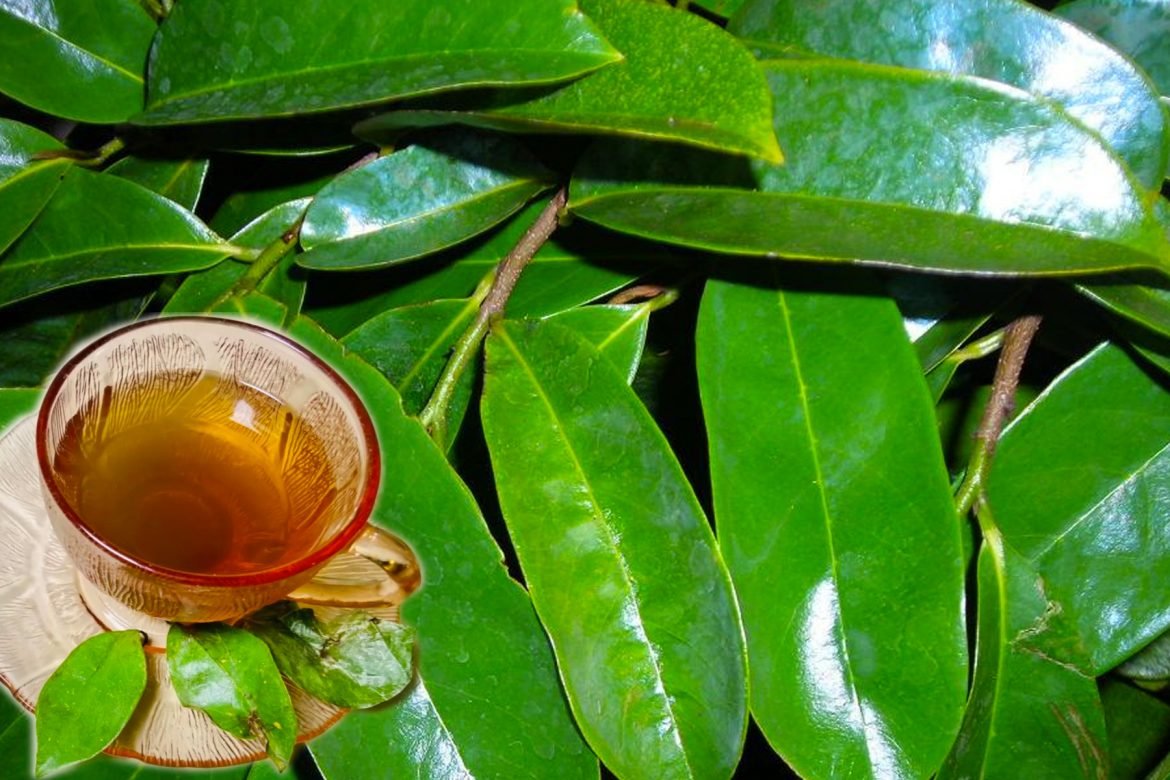
The Soursop tree is better known for its sweet, spiky fruit, but the leaves are where much of the herbal magic lies. Soursop leaf tea is famous for its calming effect, making it a popular bedtime drink for better sleep. It’s also believed to help with inflammation and to support the immune system. In Jamaica, a cup of Soursop tea is a go-to remedy for stress and restlessness.
Cerasee – The Cleansing Herb
Cerasee is one of the most recognized herbs in Jamaican folk medicine. The tea has a naturally bitter taste, but it’s well-loved for its cleansing properties. Traditionally, it’s used to “wash out” the system, aid digestion, and help control blood sugar levels. Many Jamaicans grow it right in their yard, letting the vine climb along fences until it’s ready to be picked and brewed.
Why They’re Called “Super Herbs”
These three herbs have stood the test of time because they work in different but complementary ways:
-
Anamu – Strengthens and protects the body.
-
Soursop – Relaxes and restores.
-
Cerasee – Cleanses and refreshes.
Individually, they each offer unique benefits. Together, they reflect the heart of Jamaican herbal tradition—natural, accessible, and rooted in everyday life.
Final Word:
Whether you drink them daily, keep them for special remedies, or simply enjoy their cultural value, Anamu, Soursop, and Cerasee are more than plants. They’re part of Jamaica’s heritage, helping to keep the island healthy one cup of tea at a time.
Boost Your Immunity Naturally: Best Herbal Solutions That Work
In today’s fast-paced world, keeping your immune system strong is more important than ever. While balanced nutrition, exercise, and quality sleep form the foundation of good health, nature offers powerful allies in the form of medicinal herbs. Many traditional remedies have stood the test of time, supporting the body’s natural defenses and improving overall wellness.
At Island Herbs and Spices, we specialize in authentic, organic Jamaican herbs that have been trusted for generations. Let’s explore the best herbal solutions that work to naturally boost your immunity — and how to use them effectively.
1. Moringa (Moringa oleifera)
Often called the “Tree of Life”, Moringa is packed with vitamins A, C, and E, along with minerals like calcium, potassium, and iron. Its strong antioxidant and anti-inflammatory properties help protect cells from damage, enhance immune cell function, and speed recovery from illness.
How to Use: Brew as a tea from dried leaves, or add powdered moringa to smoothies, soups, or herbal capsules.
2. Ginger (Zingiber officinale)
Ginger has been used for centuries in Jamaica for its warming, circulation-boosting effects. It contains compounds like gingerol that help fight infections, soothe inflammation, and relieve cold and flu symptoms.
How to Use: Slice fresh ginger into hot water for tea, or add powdered ginger to cooking, juices, and herbal tonics.
3. Turmeric (Curcuma longa)
Known for its golden color and the active compound curcumin, turmeric is a powerful immune booster with antiviral and antibacterial properties. It supports liver detoxification and strengthens the body’s defense against seasonal illnesses.
How to Use: Combine powdered turmeric with black pepper to improve absorption. Add to curries, teas, or golden milk.
4. Guinea Hen Weed (Petiveria alliacea)
A traditional Jamaican immune powerhouse, Guinea Hen Weed has natural antimicrobial, anti-inflammatory, and immune-modulating properties. It helps the body fight infections and supports recovery from chronic fatigue and viral illnesses.
How to Use: Prepare as a herbal tea from dried leaves or roots, or take in capsule form.
5. Soursop Leaf (Annona muricata)
Soursop leaves are rich in antioxidants and bioactive compounds that enhance immune function. They also promote relaxation and restful sleep — both crucial for a strong immune system.
How to Use: Brew dried soursop leaves into a soothing tea, consumed once or twice daily.
6. Neem Leaf (Azadirachta indica)
Neem is highly valued for its detoxifying and immune-boosting effects. It helps cleanse the blood, supports skin health, and strengthens the body’s resistance to bacterial and viral infections.
How to Use: Steep dried neem leaves in hot water for tea, or use powdered neem in capsules.
7. Lemongrass (Cymbopogon citratus)
Refreshing and aromatic, lemongrass supports immune health with its antibacterial and antifungal properties. It also aids digestion and reduces inflammation, creating a healthier internal environment for immune cells to thrive.
How to Use: Brew fresh or dried lemongrass as tea, or use in soups, stews, and herbal blends.
Tips for Getting the Best Results from Immune-Boosting Herbs
-
Consistency is key – herbal remedies work best when taken regularly over time.
-
Combine herbs for synergy – pairing immune boosters like ginger, turmeric, and moringa can increase their effectiveness.
-
Support with healthy lifestyle habits – balanced diet, hydration, stress management, and proper sleep are essential.
Final Thoughts:
Your immune system is your body’s natural defense — and herbs are one of nature’s most powerful tools to keep it strong. By incorporating Jamaican herbal remedies into your daily routine, you can protect your health naturally and effectively. Explore our full range of authentic herbs at Island Herbs and Spices to start your immunity journey today.