Drinking a Cup of Soursop Leaf Tea: A Jamaican Tradition for Relaxation and Nerve Support
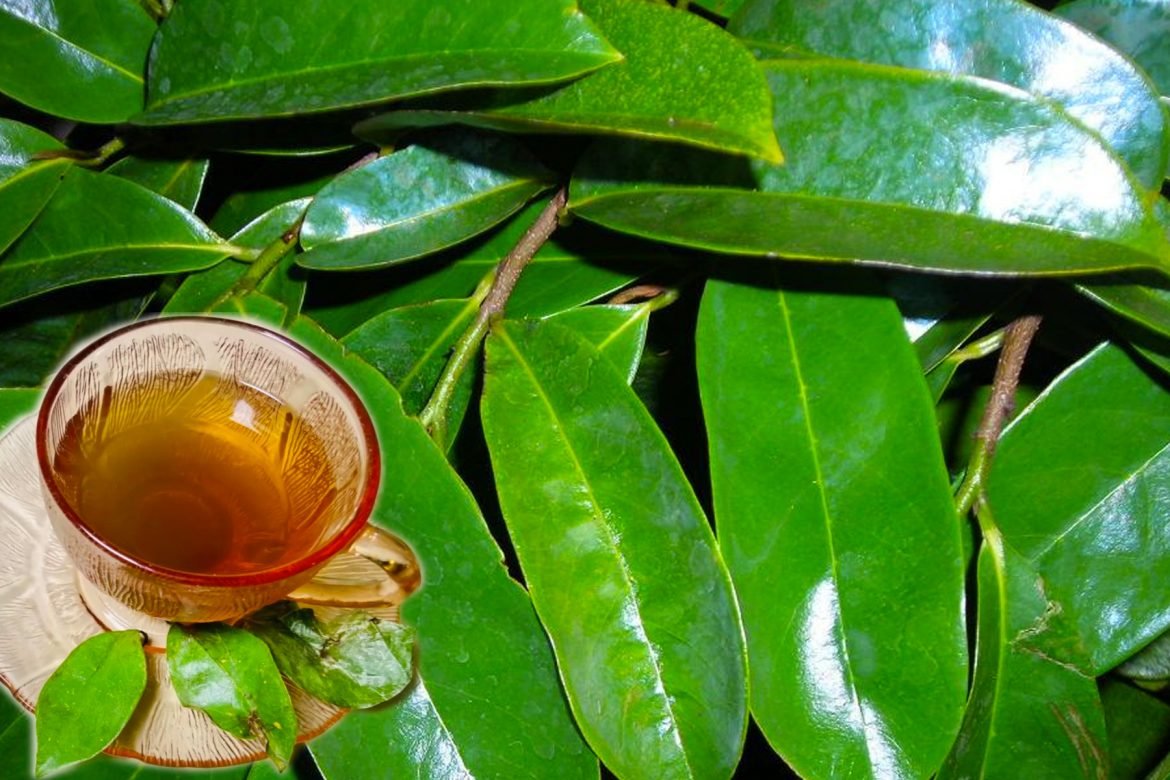
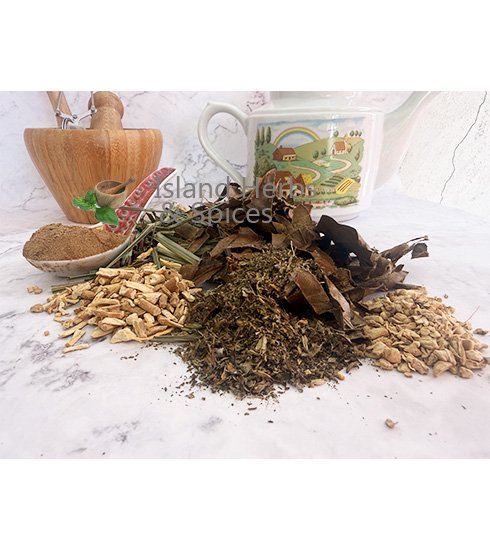
Soursop leaf tea has always been one of my favorite herbal teas growing up in Jamaica. Even today, it is one herb I personally keep close to me at all times. On our farm, the Soursop trees grow naturally in the warm tropical climate, and whenever the leaves are ready, I make sure to harvest and dry some for myself before even thinking about selling any. That alone says a lot about how much I value this herb personally.
As a child, I struggled badly with shaking hands. Back then, in the Jamaican countryside, many families relied heavily on bush medicine and traditional herbal remedies before running to the pharmacy. I remember older family members preparing Soursop leaf and root tea for me regularly. Over time, the shaking slowly improved, and to this day I still credit this herb as one of the things that truly helped me. Because of that personal experience, Soursop leaf tea remains one of the herbs I trust and use most often in my own home.
Even now, I still prepare it the traditional way. I normally boil both the leaves and a small piece of the root together in a large pot, allow it to cool, then store it in the fridge. Each day for about a week, I drink a cup, usually in the mornings or evenings when I want to relax and unwind. It has become part of my lifestyle and one of those simple country habits I never gave up.
In Jamaica, Soursop leaf tea has long been used traditionally for calming the nerves, helping the body relax, and supporting restful sleep. Many people drink it after a stressful day because it is believed to have soothing and calming properties. Older Jamaicans often describe it as a tea that “settles the body” and helps ease tension naturally.
Beyond relaxation, Soursop leaves are also commonly used in traditional Jamaican herbal culture for supporting overall wellness. Many people drink the tea as part of a healthy lifestyle and cleansing routine. The leaves are naturally rich in plant compounds and have gained popularity worldwide among people exploring traditional herbal practices.
On our farm tours, visitors are always interested in hearing these personal stories connected to the herbs we grow. For me, herbs are not just products on a shelf; many of them are tied directly to memories, family traditions, and real-life experiences. Soursop leaf tea is definitely one of those herbs that carries deep personal meaning for me.
The Soursop tree itself is also beautiful and generous. The fruit is widely loved throughout Jamaica for its creamy texture and refreshing flavor, while the leaves and roots continue to be valued in traditional herbal preparations. On our farm, we harvest the leaves carefully, naturally dry them, and prepare them for tea the old-fashioned way.
Today, many of our customers purchase dried Soursop leaves from Island Herbs and Spices to make their own tea at home. Whether enjoyed warm at night or chilled from the fridge during the day like I often do, Soursop leaf tea remains one of Jamaica’s most treasured traditional herbal drinks.
As always, we encourage people to enjoy herbs responsibly and speak with a healthcare professional when necessary, especially if they have existing medical conditions or are taking medication.
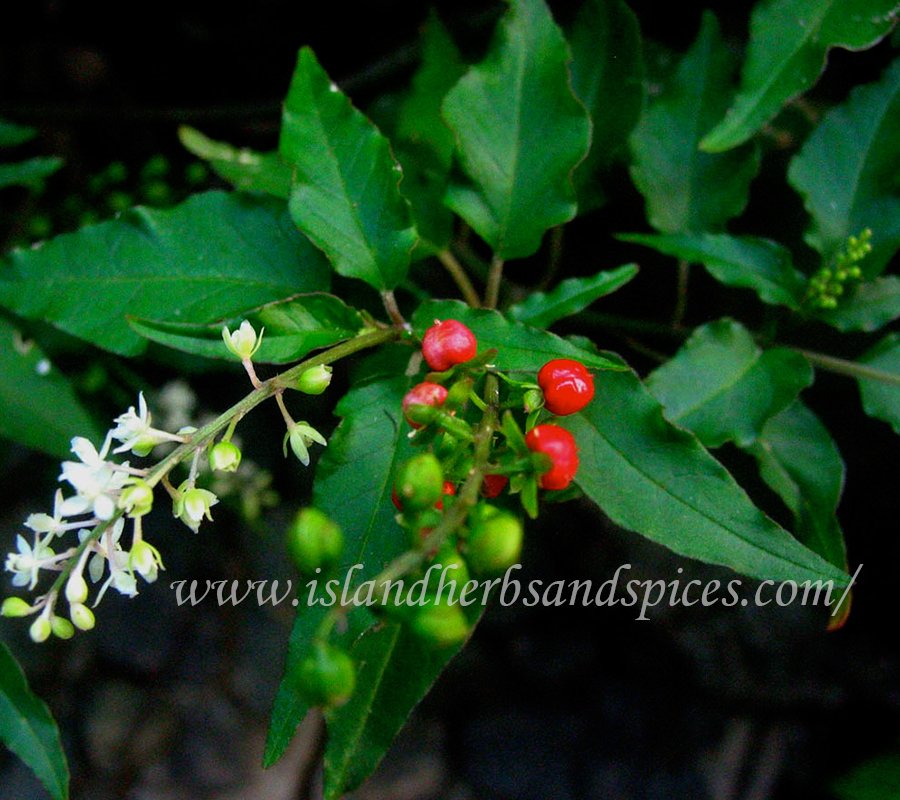
Leaf of Life Tea for Sinus Relief and Respiratory Support
People who suffer from sinusitis may experience discomfort, congestion, and difficulty breathing due to blockages in the nasal passages. Many people search for natural ways to find relief from sinus pressure and breathing difficulties. One traditional herbal remedy commonly used in Jamaica is Leaf of Life tea.
Leaf of Life tea is valued for its refreshing properties and is traditionally used to support respiratory health. Rich in natural compounds, vitamins, and minerals, this herbal tea has been enjoyed for generations as a soothing drink for people dealing with sinus discomfort and breathing problems.
Drinking a warm cup of Leaf of Life tea may help support the body in several ways, including:
- Helping to promote easier breathing
- Supporting clear nasal passages
- Soothing the respiratory tract
- Helping the body relax during congestion and discomfort
- Supporting overall respiratory wellness
Many people enjoy Leaf of Life tea as part of their daily wellness routine, especially during periods of seasonal changes when sinus discomfort may become more noticeable.
If you experience sinus congestion or occasional breathing discomfort, a warm cup of Leaf of Life tea may provide a soothing and refreshing herbal experience. As with all herbal products, it is important to use responsibly and consult a healthcare professional if symptoms persist.
Herbal Remedies from Jamaica
Jamaica has a long history of using natural herbs and traditional plant remedies to support health and wellness. Long before modern medicine became common on the island, Jamaican families relied on herbs, roots, leaves, and spices gathered from gardens, forests, and farms. Today, herbal remedies from Jamaica continue to attract attention worldwide as people seek natural alternatives and authentic Caribbean wellness traditions.
Jamaican herbal remedies are deeply connected to the island’s culture and rural lifestyle. Many traditional remedies have been passed down through generations, with knowledge shared by parents, grandparents, farmers, and herbalists. These remedies often involve preparing herbal teas, roots tonics, herbal baths, or natural blends using locally grown plants.
Some of the most well-known herbal remedies from Jamaica include cerasee tea, soursop leaf tea, guinea hen weed, moringa, turmeric, ginger tea, neem tea, fever grass, and chaney root. These herbs are commonly grown on Jamaican farms and are valued for their natural properties and traditional uses.
In Jamaican culture, herbal remedies are often referred to as “bush medicine” or “bush tea.” Many Jamaicans still prepare herbal teas at home using freshly picked leaves and roots. The herbs are usually washed, boiled, and enjoyed warm, especially in the mornings or evenings.
One reason herbal remedies from Jamaica are becoming increasingly popular is because many people are turning toward natural wellness products and plant-based lifestyles. Consumers appreciate herbs that are grown naturally and harvested directly from local farms. Authentic Jamaican herbs are known for their rich aroma, freshness, and strong flavor.
Jamaica’s tropical climate also plays an important role in the quality of its herbs. Warm temperatures, fertile soil, and natural rainfall help herbs grow vigorously throughout the year. Many farmers use traditional organic growing methods without heavy chemicals, making Jamaican herbal products attractive to customers around the world.
Traditional Jamaican remedies often combine multiple herbs together to create roots tonics and herbal blends. Jamaican roots tonics commonly include ingredients such as strong back root, medina, sarsaparilla, chaney root, and other local herbs and spices. These traditional drinks remain an important part of Jamaican herbal culture.
Herbal remedies from Jamaica are also closely connected to food and cooking. Fresh herbs such as thyme, basil, parsley, scallion, ginger, and turmeric are used not only for flavor but also as part of everyday healthy living. Jamaican cooking naturally includes many fresh herbs and spices harvested directly from the garden.
As the global demand for herbal wellness products continues to increase, Jamaican herbal farms and businesses are helping preserve traditional herbal knowledge while sharing authentic Caribbean herbs with international customers. From dried herbs and herbal tea bags to roots tonics and natural wellness products, Jamaica remains one of the Caribbean’s most respected sources for traditional herbal remedies.
For many people, Jamaican herbal remedies represent more than just herbs. They represent tradition, farming, family knowledge, and the natural beauty of the island itself.
From Farm to Cup: How Jamaican Herbal Teas Support Digestion, Immunity, and Wellness
Jamaican herbal teas have been part of daily life for generations. Long before wellness became a trend, people across Jamaica relied on backyard herbs, hillside farms, and traditional knowledge to care for the body. These teas were not just drinks. They were remedies, rituals, and quiet moments of healing.
Today, Jamaican herbal teas are gaining global attention, and for good reason. They support digestion, strengthen immunity, and promote overall wellness using simple, natural ingredients. Understanding how these teas move from farm to cup helps explain why they remain so effective.
Rooted in the Land: Where Jamaican Herbal Teas Begin
Most Jamaican herbal teas start with fresh, locally grown plants. Many herbs are cultivated in small farms or harvested from family gardens. The island’s tropical climate, rich soil, and steady rainfall allow herbs to grow with minimal intervention.
Common practices include hand-picking leaves early in the morning and sun-drying them slowly to preserve their natural compounds. This low-impact approach keeps the herbs potent while respecting the land. There is no rush, and that patience shows in the final cup.
Because many herbs are grown without heavy processing, Jamaican teas retain their natural bitterness, aroma, and strength. This is important, as bitterness often signals digestive and detoxifying properties.
Supporting Digestion the Traditional Way
Digestive health is one of the most common reasons Jamaicans drink herbal tea. After heavy meals, certain teas are brewed to ease bloating, gas, and sluggish digestion.
Bitter herbs are especially valued. They stimulate digestive enzymes, encourage bile production, and help the body break down food more efficiently. These teas are often consumed warm, which further relaxes the digestive tract.
Unlike commercial digestive aids, Jamaican herbal teas work gently. They do not suppress symptoms but help the body return to balance. Over time, regular use can support better gut health and improved nutrient absorption.
Strengthening Immunity with Everyday Herbs
Many Jamaican herbal teas are rich in antioxidants, vitamins, and antimicrobial compounds. These properties help the immune system respond to stress, infections, and seasonal changes.
Herbs traditionally used for immunity are often brewed during times of illness or fatigue. Some teas are taken preventively, especially during rainy seasons when colds and flu are more common.
Drinking these teas regularly supports the body’s natural defenses rather than forcing an artificial boost. This steady approach aligns with traditional wellness philosophies that focus on long-term resilience.
Wellness Beyond Symptoms: A Holistic Approach
Jamaican herbal teas are not limited to digestion and immunity. They are deeply connected to overall wellness. Many teas are used to support sleep, reduce stress, cleanse the blood, and promote circulation.
Tea drinking itself is part of the healing process. Preparing the herbs, allowing them to steep, and drinking slowly encourages mindfulness. This ritual creates space for rest and reflection, which supports mental and emotional well-being.
In Jamaican culture, wellness is not rushed. Teas are taken consistently, often over days or weeks, allowing the body to respond naturally.
From Farm to Cup: Preserving Potency at Home
To get the most benefit from Jamaican herbal teas, preparation matters. Dried herbs are usually rinsed briefly before use. Leaves, bark, or roots are then simmered or steeped depending on their strength.
Covering the pot while steeping helps retain essential oils. Many people avoid sweeteners, but when used, natural options like raw honey are preferred. Teas are often consumed warm, though some are cooled and sipped throughout the day.
Storage is equally important. Herbs should be kept in airtight containers away from light and moisture to preserve freshness and medicinal value.
Why Jamaican Herbal Teas Still Matter Today
In a world full of supplements and quick fixes, Jamaican herbal teas offer something different. They are simple, accessible, and rooted in centuries of lived experience. Their effectiveness comes from consistency, quality herbs, and respect for the body’s natural rhythms.
From the fertile soil of Jamaica to the warmth of a freshly brewed cup, these teas continue to support digestion, immunity, and whole-body wellness. They remind us that good health does not have to be complicated. Sometimes, it begins with leaves, water, and time.
How to Brew Herbal Teas the Jamaican Way
When you think of Jamaica, you might picture beaches and reggae. But Jamaica also has a rich tradition of herbal medicine. One of the best expressions of this culture is in Jamaican herbal tea. Brewed from roots, barks, leaves, and flowers, these teas are not just for taste — they are steeped in health and tradition.
If you’re curious about how to brew a real cup of Jamaican herbal tea, you’re in the right place. Here’s a straightforward guide that covers key herbs, techniques, and tips.
Popular Jamaican Herbal Teas
In Jamaica, teas are often made from plants known for their healing properties. Some favorites include:
-
Sarsaparilla Tea: Made from the root of the sarsaparilla plant, known for its detoxifying and blood-purifying qualities.
-
Cerassee Tea: A bitter tea made from the leaves of the cerassee vine, used to cleanse the blood and aid digestion.
-
Fever Grass Tea: Better known as lemongrass tea, it’s used to relieve fever, stress, and stomach issues.
-
Guaco Tea: Brewed from the guaco plant, known for respiratory health.
Each tea has its own brewing method, but the fundamentals are similar.
How to Brew Jamaican Herbal Tea: The Basics
Brewing herbal teas the Jamaican way is different from steeping a tea bag in hot water. Here, it’s more like making a decoction — a slow, deliberate process to extract maximum flavor and benefits from tough roots and hardy leaves.
Here’s a basic method:
Ingredients:
-
Fresh or dried Jamaican herbs (e.g., sarsaparilla root, cerassee leaves)
-
Water
-
Optional: Honey, lime, ginger, or cinnamon for extra flavor
Equipment:
-
A medium to large pot
-
A strainer
-
A heat source
Instructions:
-
Rinse the herbs: Wash the herbs thoroughly to remove any dirt or debris.
-
Boil water: Bring about 4 cups of water to a rolling boil.
-
Add herbs: Add a generous handful of herbs to the boiling water.
-
Simmer, don’t rush: Lower the heat and let it simmer. For roots like sarsaparilla, simmer for at least 20–30 minutes. For leaves like cerassee, 10–15 minutes is usually enough.
-
Steep if needed: Turn off the heat and let the herbs steep for another 10–15 minutes if you want a stronger brew.
-
Strain and serve: Strain the tea into cups or a teapot.
-
Sweeten naturally: Add honey, ginger, or lime if desired. Traditional Jamaican teas are often left unsweetened, but it’s up to your taste.
Special Tips for Brewing Sarsaparilla Tea
Sarsaparilla is a classic Jamaican herbal tea, especially prized for its rich, earthy flavor and health benefits. Here's how to brew it just right:
-
Use enough root: Sarsaparilla is potent but tough. Use about a 2-inch piece of dried root per 2 cups of water.
-
Boil, then simmer: After bringing the water and root to a boil, simmer slowly for at least 30 minutes. You’ll notice the water turning a deep reddish-brown.
-
Enhance the flavor: Many Jamaicans add cinnamon sticks, cloves, or ginger to the pot for a more complex, spicy flavor.
Sarsaparilla tea is often drunk as a natural "blood tonic" and is thought to boost energy and libido.
Why the Jamaican Method Matters
Jamaican herbal tea brewing isn’t rushed. It respects the plant. It’s about patience — allowing the herbs' oils and minerals to slowly release into the water. This method not only preserves the flavor but also maximizes the medicinal qualities of the herbs.
In Jamaica, brewing tea is often a communal event. Families pass down recipes. Elders teach younger generations which herbs to pick and how long to brew them. Every cup carries a little history.
Final Thoughts
Learning how to brew a Jamaican herbal tea like sarsaparilla tea connects you to a deeper tradition of wellness and respect for nature. Whether you're brewing to relax, detox, or simply enjoy a taste of the island, taking your time makes all the difference.
Next time you want a cup of something real, skip the bagged teas. Grab some roots or leaves, simmer slow, and sip strong — the Jamaican way.
Jamaican Bush Tea for Wellness: Traditional Herbal Remedies for Modern Health
Jamaican bush tea holds a storied place in both the history and the heart of Jamaican culture. Traditionally consumed for both its flavor and medicinal benefits, this herbal beverage is gaining popularity worldwide as a cornerstone of wellness routines. Explore how these ancient brews can contribute to modern health practices.
The Roots of Jamaican Bush Tea
Bush tea in Jamaica is not just a drink; it's a remedy passed down through generations. Common ingredients like lemongrass, known locally as "fever grass," ginger, and moringa, each carry properties that have been cherished by Jamaicans for their healing effects. These teas have been used traditionally to treat everything from colds and fever to anxiety and insomnia.
Top 5 Jamaican Bush Teas for Health and Wellness
Lemongrass Tea: Refreshing and calming, lemongrass tea is a staple in many homes for relieving pain and boosting immunity.
Ginger Tea: Known for its ability to soothe upset stomachs, ginger tea is a powerful anti-inflammatory.
Moringa Tea: Loaded with antioxidants, moringa boosts energy levels and supports metabolic health.
Cerassie Tea: Often turned to for detoxification, cerassie can be bitter but highly effective.
Peppermint Tea: Excellent for digestion and a soothing agent for stressful days.
How to Prepare Traditional Jamaican Bush Tea
Preparing bush tea involves more than steeping leaves; it's about embracing an herbal tradition. Start by sourcing fresh dried, authentic ingredients sold here from island Herbs and spices. For a true Jamaican experience, herbs are often boiled in water for a few minutes to extract their full flavor and medicinal properties. Each tea can be enjoyed plain or sweetened according to taste.
Modern Wellness and Traditional Practices
Integrating bush tea into modern wellness routines is easy and beneficial. These teas offer a natural way to support various aspects of health, including digestion, immune function, and mental well-being, aligning perfectly with the holistic approach to modern health.
Conclusion
Embracing Jamaican bush tea is about more than enjoying a warm, soothing beverage. It's a step toward blending time-honored remedies with contemporary wellness practices. Whether you're a long-time tea enthusiast or new to the world of herbal brews, exploring the benefits of Jamaican bush tea could be your pathway to a healthier life. Jamaican Ginger Benefits and Traditional Uses: The Power of Organic Jamaican Ginger Tea
The Jamaican Ginger, scientifically referred to as Zingiber Officinale, is an herb used in traditional medicine to fight different diseases. It has various medicinal properties such as anti-inflammatory, antifungal, antioxidant, anticoagulant, antiseptic, antiviral, antimicrobial, antiemetic, and so on. These are just a few of the properties of this herb and it explains why ginger is used in treating various ailments. Generally, Ginger is considered safe by the Food and Drug Administration. In alternative medicine, it has been used in treating a large number of sicknesses such as heart diseases, migraines, chronic fatigue, and cold. Traditionally, when combined with honey, ginger can be used in treating respiratory problems. In Jamaica, ginger is used in treating other illnesses such as diabetes, diarrhea, menstrual problems, diabetes, motion sickness, and so on. Ginger is effective in treating rheumatism and arthritis due to its anti-inflammatory properties. The Jamaican Ginger Tea can be purchased online at Island Herbs & Spices.
Ginger and Its Constituents
Ginger is popularly used globally, particularly in most Asian countries. Ginger is said to contain more than 400 different compounds when subjected to chemical analysis. The main constituents found in ginger rhizomes are lipids (3 – 8%), phenolic compounds, terpenes, and carbohydrates.Use of Ginger for Alternative Medicine
The use of ginger as medicine as well as a spice in China and India can be traced to ancient times. As far back as the 9th century in Europe and from the 10th century in England, ginger has been known for its medicinal properties. Native Americans used wild ginger rhizomes in regulating heartbeat and menstruation. Ginger reduces nausea by directly acting on the gastrointestinal system. With this, it is used in preventing nausea resulting from surgery, motion sickness, and chemotherapy. Ginger is popularly known as a medication for nausea in pregnant women. Ginger is used in treating different types of other gastrointestinal problems such as colic, gas, morning sickness, bloating, flatulence, upset stomach, discomfort after a meal (dyspepsia), heartburn, loss of appetite, and diarrhea. The Indian Ayurvedic alternative medicine uses ginger in enhancing food digestion. In addition to these, ginger has been used as pain relief for chest pain, arthritis, stomach pain, muscle soreness, menstrual pain, and low back pain. It is used as a natural antibiotic in treating bronchitis, cough, and other upper respiratory tract infections. With its anti-inflammatory properties, ginger is recommended for joint problems. Its juice extract has been used in treating skin burns. Ginger’s active component is used as antacid and laxative medications. It lowers high blood pressure and boosts circulation by warming the body. Also, due to this warming effect, ginger is used as an antiviral in treating flu and cold. Ginger has an appealing scent so much that is used as a flavoring agent in beverages and foods, and as a fragrance in cosmetics and soaps. Browse our site for a wide selection of 100% organic Jamaican Spanish Ginger, and other herbs and spices today.Why Dried Herbs Are Better: Jamaican Herbal Traditions and Benefits
Growing up in the hills of Jamaica, dried herbs were always a part of daily life in our home. My parents and grandparents hardly wasted herbs once they were harvested from the land. Instead, they carefully dried leaves, roots, and bark in the sun or under cover so they could be used throughout the year. Today on our farm, we still follow that same tradition, and at our shop we sell only dried herbs because we truly believe drying herbs helps preserve their usefulness, flavor, and long-term value.
Why It Is Recommendable to Use Dried Herbs
For generations, herbs have played an important role in Jamaican homes. Some are used as teas, some as spices, and others as part of old-time remedies passed down from family to family. While many people believe fresh herbs are always better, I personally find that dried herbs are often more practical, stronger, and easier to store and use.
On our farm, most of the herbs we harvest are carefully dried before being packaged. Drying herbs is not simply about preservation; it is also about convenience, consistency, and making sure the herbs can be enjoyed long after harvest season has passed.
Stronger Flavor and Better Value
One thing I learned over the years is that dried herbs are usually much more concentrated than fresh herbs. Once the moisture is removed, the flavor and aroma become stronger. That means you often need less dried herb compared to fresh herb when making tea or cooking.
For example, when using oregano, thyme, or mint, a small amount of dried herb can go a very long way. Many people are surprised at how rich and full-bodied a cup of tea can become from just a small handful of properly dried leaves.
This is one of the reasons we prefer selling dried herbs on our website. Customers can store them longer and use smaller amounts while still getting excellent flavor and value.
Dried Herbs Last Much Longer
Living in Jamaica, I know firsthand how quickly fresh herbs can spoil because of heat and humidity. If herbs are not used quickly, they can wilt, mold, or lose their strength within days.
Drying herbs helps preserve them naturally. When properly dried and stored, herbs can last for months while still maintaining much of their natural aroma and usefulness. This makes dried herbs a much better option for shipping overseas as well, especially to customers in the USA, Canada, and the UK who may want authentic Jamaican herbs delivered to their homes.
On our farm, drying herbs also helps us reduce waste during times when certain plants grow in abundance.
Easy to Prepare and Use
Another reason I recommend dried herbs is because they are simple to use. Most people do not have the time to wash, clean, and prepare fresh herbs every day. With dried herbs, the hard work is already done.
All you usually need to do is boil water and prepare your tea, or sprinkle the herbs into soups, seasonings, or cooking pots. Whether it is dried soursop leaves, cerasee, peppermint, or chaney root, dried herbs are convenient for busy daily life.
Safer and Cleaner for Storage
Fresh herbs contain moisture, and moisture can encourage spoilage if herbs are not handled correctly. Proper drying helps remove excess moisture and makes herbs easier to preserve safely for longer periods.
On our farm, we take pride in carefully drying our herbs before packaging them. This process helps us provide cleaner, shelf-stable products that customers can comfortably store and use when needed.
Keeping Jamaican Herbal Traditions Alive
For me, dried herbs are more than just products. They are part of our Jamaican culture and the traditions I grew up with. I still remember seeing herbs hanging to dry around the house and hearing older folks talk about which tea to drink for different situations.
Today we continue that same tradition by harvesting, drying, and packaging herbs from our farm so customers around the world can experience authentic Jamaican herbal products in a simple and convenient way.