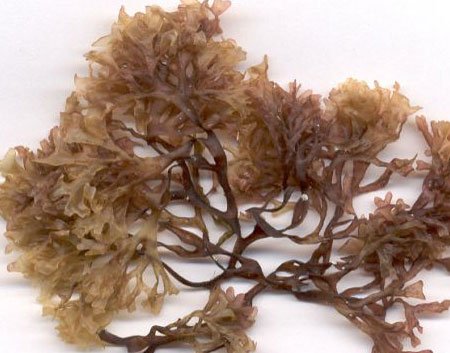
Chondrus Crispus (Irish Moss)
Irish Moss
What is Irish Moss?
The name Irish Moss can be a bit misleading to those who are unfamiliar with this popular herb. Irish Moss is in fact a seaweed whose formal name is Chondrus Crispus and which is a species of red algae. Irish Moss is also known in other parts of the world as Carrageen Moss and is a part of the Gigartinaceae family. The seaweed is primarily found growing on rocks along the Atlantic coast of Europe; it was originally found near Ireland hence the name. The Irish people consumed the seaweed during Irelands period of famine in the 19th century and ever since its popularity has increased exponentially. Irish Moss grows on rocks on Jamaica’s coastline and its popularity on the island grew when the Irish brought their traditional use of the seaweed to the island.
How to use Irish Moss?
In Jamaica, the seaweed is primarily used as the main ingredient in the making of the Irish Moss drink. The drink is made by placing a batch of clean Irish Moss in a container of water and allowing it to soak overnight. Other ingredients are then added to the mixture before it is boiled for around 45 minutes after which the mixture is strained and the boiled seaweed is discarded. The final batch of ingredients is then added before being boiled for another 10 minutes. The mixture is then allowed to cool and sometimes sweetened before it is consumed.The Irish Moss can also be consumed raw to ease digestive ailments. The seaweed is also used as a topical treatment to soothe skin conditions such as chapped skin and eczema.
Health Benefits of Irish Moss
Irish Moss is believed to contain at least 15 essential elements that are key components of the human body. Some of the elements found in the seaweed in impressive amounts are calcium, potassium, iodine and Vitamins such as A, D and E, amongst others. Irish Moss also eases heartburn, nausea, indigestion and constipation and possesses antiviral properties that can help in the fight against the flu and even mumps disease. The Irish Moss drink is also popular among Jamaican men as many believe it gives them vigor, boots energy and increases their ability to perform sexually.
Read More
Categories:
Jamaican Herbs