Traditional Ways to Prepare Jamaican Herbal Medicine at Home
For many years, herbal medicine has been used to help treat a wide range of illnesses and health conditions. Growing up in Jamaica, I watched many elders turn to herbs before pharmacy medicine, and even today on our farm we still prepare herbs the traditional way. Over the years, herbal remedies have continued to grow in popularity because many people believe they work well and are gentler on the body when used properly. One important thing I have learned is that the way you prepare an herb can make a big difference in how effective it is.
Infusions
Infusions are one of the easiest and most common ways to prepare herbs. This method is mostly used for leaves, flowers, and other soft parts of the plant. Both fresh and dried herbs can be used depending on what is available.
When using fresh herbs, wash them properly in clean water first. Place the herbs into a glass, cup, or stainless-steel pot and pour hot water over them until covered. Cover the container and allow the herbs to steep for several minutes until the water draws out the flavor and strength of the plant.
Some herbs are better prepared as a cold infusion, especially delicate herbs that may lose their strength with too much heat. In this case, the herbs are soaked in cool water for several hours before straining and drinking.
Decoctions
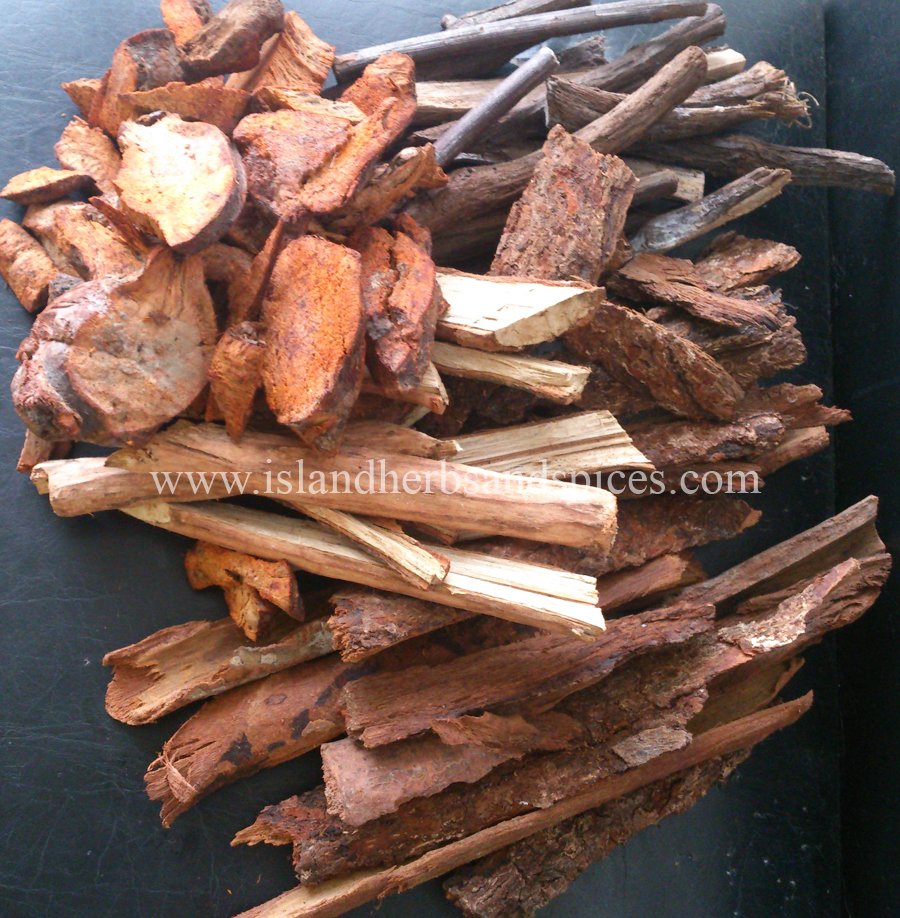
Decoctions are similar to infusions, but they are mainly used for harder parts of the plant such as roots, bark, and stems. On our farm, this is the method we often use when preparing strong roots and tree bark teas.
To make a decoction, place the fresh or dried plant material into a pot with water and bring it to a boil. Once boiling, lower the heat, cover the pot, and allow it to simmer for about 20 to 40 minutes. This slow cooking helps pull the strength and natural compounds from the tougher parts of the plant.
Many Jamaican roots tonics and bush teas are prepared this way because it gives a richer and stronger tea.
Tinctures
Tinctures are concentrated herbal extracts made using alcohol, vinegar, or glycerin. Alcohol is commonly used because it helps draw out important compounds from the herbs and also helps preserve the mixture for a longer time.
To prepare a tincture, herbs are soaked in the liquid for several weeks so the medicinal properties can slowly be extracted. After straining, the liquid is stored in bottles and used in small amounts.
While tinctures are not as common in traditional Jamaican homes as teas and decoctions, many herbalists now use them because they last longer and are easy to store.
Dry Preparations
Many herbs are also dried and ground into powder. Here on our farm we dry a number of herbs naturally before packaging them for teas and other herbal products.
Powdered herbs can be used in teas, capsules, or added to drinks and smoothies. To make a tea, simply add the powdered herb to hot water, stir well, and allow it to sit for a few minutes before drinking.
For capsules, the powdered herbs are placed into empty vegetable capsules in the required amounts. This is a simple way for people who may not enjoy the taste of certain herbs but still want the benefits.
No matter which method you use, it is always important to prepare herbs carefully and use clean, fresh ingredients whenever possible. Proper preparation has been passed down for generations, and it continues to play an important role in getting the best from herbal medicine.
Why Dried Herbs Are Better: Jamaican Herbal Traditions and Benefits
Growing up in the hills of Jamaica, dried herbs were always a part of daily life in our home. My parents and grandparents hardly wasted herbs once they were harvested from the land. Instead, they carefully dried leaves, roots, and bark in the sun or under cover so they could be used throughout the year. Today on our farm, we still follow that same tradition, and at our shop we sell only dried herbs because we truly believe drying herbs helps preserve their usefulness, flavor, and long-term value.
Why It Is Recommendable to Use Dried Herbs
For generations, herbs have played an important role in Jamaican homes. Some are used as teas, some as spices, and others as part of old-time remedies passed down from family to family. While many people believe fresh herbs are always better, I personally find that dried herbs are often more practical, stronger, and easier to store and use.
On our farm, most of the herbs we harvest are carefully dried before being packaged. Drying herbs is not simply about preservation; it is also about convenience, consistency, and making sure the herbs can be enjoyed long after harvest season has passed.
Stronger Flavor and Better Value
One thing I learned over the years is that dried herbs are usually much more concentrated than fresh herbs. Once the moisture is removed, the flavor and aroma become stronger. That means you often need less dried herb compared to fresh herb when making tea or cooking.
For example, when using oregano, thyme, or mint, a small amount of dried herb can go a very long way. Many people are surprised at how rich and full-bodied a cup of tea can become from just a small handful of properly dried leaves.
This is one of the reasons we prefer selling dried herbs on our website. Customers can store them longer and use smaller amounts while still getting excellent flavor and value.
Dried Herbs Last Much Longer
Living in Jamaica, I know firsthand how quickly fresh herbs can spoil because of heat and humidity. If herbs are not used quickly, they can wilt, mold, or lose their strength within days.
Drying herbs helps preserve them naturally. When properly dried and stored, herbs can last for months while still maintaining much of their natural aroma and usefulness. This makes dried herbs a much better option for shipping overseas as well, especially to customers in the USA, Canada, and the UK who may want authentic Jamaican herbs delivered to their homes.
On our farm, drying herbs also helps us reduce waste during times when certain plants grow in abundance.
Easy to Prepare and Use
Another reason I recommend dried herbs is because they are simple to use. Most people do not have the time to wash, clean, and prepare fresh herbs every day. With dried herbs, the hard work is already done.
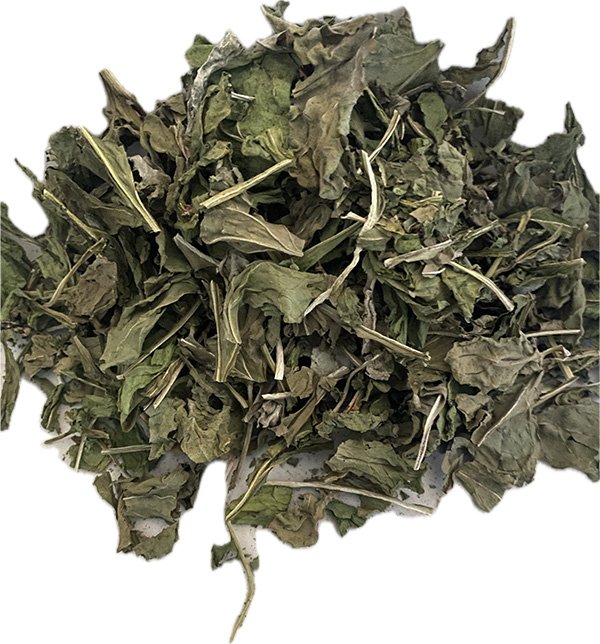
All you usually need to do is boil water and prepare your tea, or sprinkle the herbs into soups, seasonings, or cooking pots. Whether it is dried soursop leaves, cerasee, peppermint, or chaney root, dried herbs are convenient for busy daily life.
Safer and Cleaner for Storage
Fresh herbs contain moisture, and moisture can encourage spoilage if herbs are not handled correctly. Proper drying helps remove excess moisture and makes herbs easier to preserve safely for longer periods.
On our farm, we take pride in carefully drying our herbs before packaging them. This process helps us provide cleaner, shelf-stable products that customers can comfortably store and use when needed.
Keeping Jamaican Herbal Traditions Alive
For me, dried herbs are more than just products. They are part of our Jamaican culture and the traditions I grew up with. I still remember seeing herbs hanging to dry around the house and hearing older folks talk about which tea to drink for different situations.
Today we continue that same tradition by harvesting, drying, and packaging herbs from our farm so customers around the world can experience authentic Jamaican herbal products in a simple and convenient way.
Red Water Grass (Zebrina Pendula ) for Diabetes
For several years, the Red Water Grass has been used in various places across the world for health and medicinal purposes. The plant has grown in popularity among populations of the world for its vast health and medicinal benefits. Some of the conditions that the Red Water Grass has been observed to remedy include swelling, hypertension and colds. Over the recent past, quite a number of people have been turning to Red Water Grass for diabetes. It has been established that the plant and its extracts are pretty effective at remedying diabetes and controlling the blood sugar.
Statistic show that cases of diabetes have risen quite considerably in the current generation. This is largely brought about by the poor lifestyle choices and the unhealthy diets that people follow. Diabetes kicks in with mild symptoms but as time goes by, the symptoms grow pretty severe and can even be life threatening. Some of the common diabetes symptoms include swift unexplained loss of weight, skin disorders, backache, polydipsia, polyphagia and polyuria. When the conditions reaches an advanced stage, other severe symptoms such as loss of or diminishing vision step in. It is therefore important to swiftly establish a way to step down the blood sugar levels as soon as you are diagnosed with the condition.
Red Water Grass is fast being adopted by people from all across the world as a remedy for diabetes. It helps in controlling the condition by lowering the blood sugar levels. Using the right amounts of the Red Water Grass regularly for a reasonable amount of time may even reverse diabetes.
Besides its potency in lowering blood sugar levels, another of the reasons Red Water Grass has grown pretty popular among populations is the fact that it is relatively easy to prepare and use. There are quite a variety of ways of using the herb depending on what it is being used to treat, the form in which it is available and the user preferences. For lowering of blood sugar and reversing diabetes, the process of preparing Red Water Grass is as follows.
Add four cups of water into a pot. Add about a handful of Red Water Grass into the pot. Over high heat, boil the contents of the pot for a period of about 20 – 25 minutes. Remove the resulting mixture from heat and strain off the tea. For the best results, you should drink the tea a reasonable number of times throughout the day if you are unable to do so, you should drink one cupful in the morning and another in the evening.
After suffering diabetes for a long time, diabetes sores/ulcers are bound to arise. This is another condition that the Red Water Grass can help remedy. To prepare the herb for drying up diabetes ulcers, get 24 leaves of fresh Red Water Grass and add to a pot of 4 cups of boiling water. Clean the leaves and add them to the pot and boil for another 20 minutes. Strain the tea and drink a cupful of the tea daily until the sores dry up. It is recommendable to drink it in the morning. Jamaican Herbs- Its Many Health Benefits
Medicinal Herbs Is the Best Choice to Treat Health Issues
Traditional Jamaican Herbs and Natural Remedies for Everyday Wellness
Jamaican Herbs and Spices: Growing Traditional Herbal Remedies on Our Farm
Spanish Needle Herb in Jamaica – Traditional Uses and Health Benefits of Bidens Pilos
What is Spanish Needle?
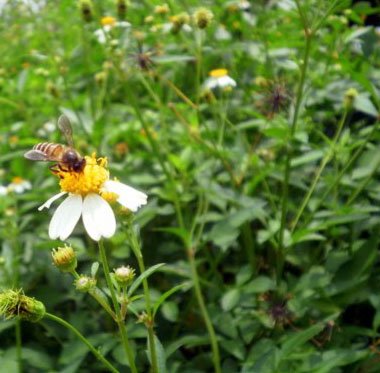
Spanish Needle, scientifically known as Bidens pilosa, is a medicinal herb that belongs to the Asteraceae family. Although the plant is believed to have originated in South America, it now grows widely throughout many tropical and subtropical regions of the world. In Jamaica, Spanish Needle grows freely in open fields, along roadsides, and around farms, where many people often overlook it as a common weed. The plant is also known by several local and international names including Black Jack, Needle Grass, Broomstick, Beggars Tick, and Demon Spike Grass.
On our farm in Jamaica, Spanish Needle grows naturally among our fruit trees and herbal gardens, especially during the rainy season. What many people call a “wild weed” is actually one of the herbs we value and harvest regularly. Growing up in the Jamaican countryside, it was common to hear older people speak about the importance of Spanish Needle tea for cleansing the body and helping with common stomach problems. Today, we continue that tradition by carefully harvesting, drying, and preparing the herb on our farm for herbal use.
Spanish Needle is an annual plant that can grow up to about 2 metres tall. It has oppositely arranged leaves and small flowers that may bloom throughout the year. The plant spreads aggressively and can quickly take over disturbed soil, which is one reason why it is so easy to find across Jamaica.
How to Use Spanish Needle
Spanish Needle is a very versatile herb and may be used in several ways to enjoy its traditional health benefits. The young leaves can be eaten raw like green vegetables or cooked as a potherb. In Jamaica, many people boil the leaves with callaloo, cabbage, or other ground provisions to create a healthy and flavorful meal.
On our farm, we sometimes prepare Spanish Needle with other fresh herbs and vegetables harvested the same morning. Many visitors are surprised to learn that this plant, often ignored or pulled up from gardens, can actually be part of a nutritious Jamaican meal.
The crushed leaves may also produce a sap that is traditionally applied to fresh cuts to help encourage blood clotting. One of the most popular ways to use the plant, however, is as an herbal tea. Spanish Needle tea has long been used in Jamaica as a general wellness beverage and is commonly prepared to help with worms, flatulence, stomach discomfort, and overall cleansing.
Health Benefits of Spanish Needle
The leaves, roots, and seeds of Spanish Needle have traditionally been valued for their many medicinal properties. The plant is known to possess anti-inflammatory, antibacterial, antiseptic, antimicrobial, and antidysenteric properties. It is also believed to act as a natural diuretic.
In some traditional cultures, Spanish Needle has even been used as a natural remedy for malaria because of its antimalarial properties. Due to its antiseptic qualities, extracts from the plant are sometimes used as a natural mouthwash to help combat odor-causing germs, sore gums, and mouth irritation.
Spanish Needle is also traditionally used to assist with:
- Joint discomfort and swelling
- Colic and stomach ailments
- Cold and flu symptoms
- Digestive discomfort
- General body cleansing
Because the herb grows naturally on our farm, we are able to carefully harvest and dry it while preserving its freshness and natural quality. We believe there is something special about herbs grown naturally in Jamaica’s rich soil and tropical climate. Many of the herbs we grow are part of traditions passed down through generations, and Spanish Needle is certainly one of them.
Today, this humble plant continues to be one of the many medicinal herbs appreciated by people seeking a more natural lifestyle and a deeper connection to traditional Jamaican herbal practices.
Disclaimer: Herbal information provided is for educational purposes only and is not intended to diagnose, treat, cure, or prevent any disease. Please consult a healthcare professional before using herbal products, especially if pregnant, nursing, or taking medication.