Are Herbal Capsules as Effective as Teas? Here’s What to Know
When it comes to using Jamaican herbs for health and wellness, many people find themselves torn between two popular options: herbal capsules and teas. Both have their loyal fans, and both claim to deliver benefits like better digestion, reduced stress, improved immunity, and more. But if you’re standing in the middle of that aisle—wondering whether to brew a cup or pop a capsule—here’s what you really need to know.
The Basics: Tea vs. Capsule
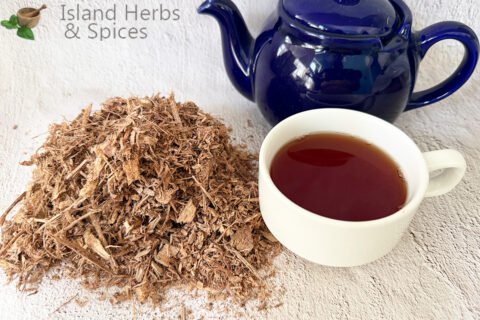
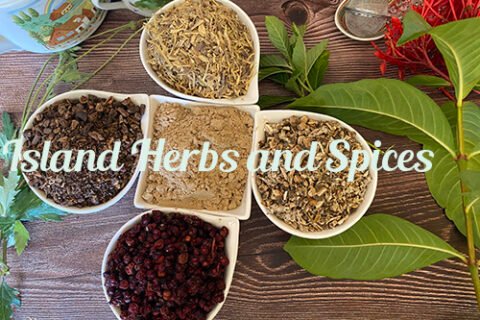
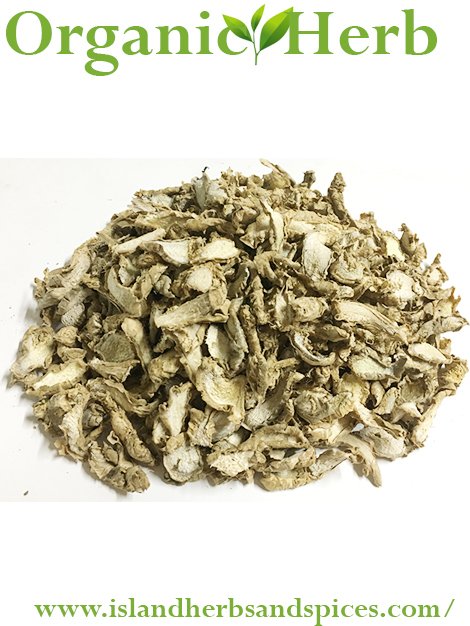
Herbal teas are made by steeping dried herbs in hot water. This method has been used for centuries, especially in Jamaican and other Caribbean traditions, to pull beneficial compounds from plants. You feel the ritual, the aroma, the warmth—many people enjoy the experience just as much as the health boost.
Herbal capsules, on the other hand, offer a convenient way to get those same herbs into your system. The herbs are dried, ground, and packed into an easy-to-swallow capsule. No boiling water, no waiting. It’s grab-and-go wellness.
But convenience isn’t the only factor. Effectiveness matters. And that’s where things get interesting.
Absorption and Bioavailability
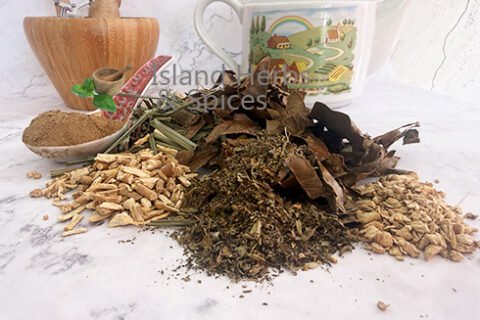
One key difference between herbal capsules vs tea lies in how your body absorbs the herbs. With tea, the hot water helps extract active compounds. This works well for certain herbs—especially leaves and flowers like soursop leaf, fever grass (lemongrass), or cerasee. Your body starts absorbing those compounds almost immediately as you sip.
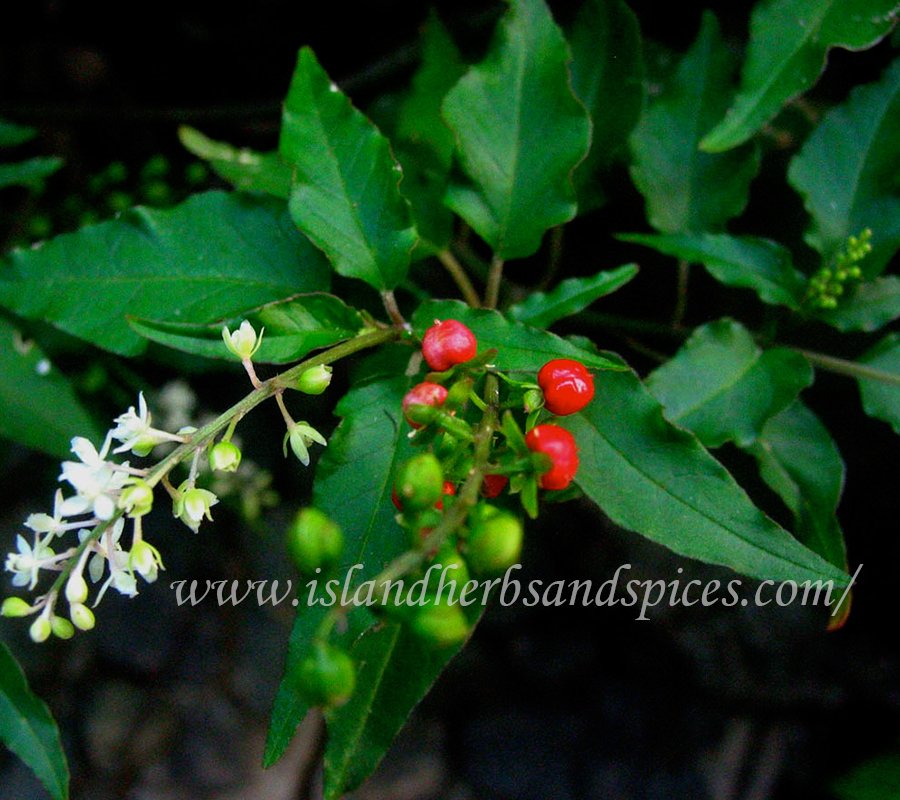
Capsules rely on your digestive system to break them down. That can delay absorption slightly, but it can also protect certain compounds that would otherwise break down in hot water or air. Some herbs—like turmeric or guinea hen weed—may actually work better in capsule form if they’re combined with absorption-enhancers like black pepper extract.
So, depending on the herb, one form may deliver stronger or faster effects than the other.
Dosage Control
Capsules often give you a more consistent dose. Each one is carefully measured, which means you know exactly how much herb you’re taking. Teas, especially homemade or loose-leaf blends, can vary in strength depending on how long you steep them, how much herb you use, and even the water temperature.
If you’re trying to stick to a regimen or take herbs therapeutically, that consistency can make a big difference.
Flavor and Experience
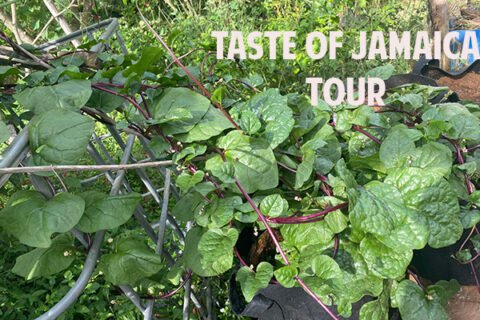
Let’s be real—some Jamaican herbs are bitter. Cerasee, for example, has powerful detoxifying properties but a taste that’s not for the faint of heart. If you don’t enjoy drinking the tea, you might not keep up the routine.
Capsules solve that problem. You get the benefits without the bitter taste. But you also lose the sensory ritual—the calming moment of brewing and sipping something warm. For some, that moment is part of the healing.
Shelf Life and Storage
Capsules tend to have a longer shelf life than loose herbs or tea blends. They’re less sensitive to moisture and light, especially when stored properly in sealed containers. That makes them easier to stock up on and use over time.
Teas, while generally safe when stored correctly, can lose potency faster, especially if exposed to air or humidity. So if you’re stocking herbs for long-term use, capsules might be the more practical choice.
Cultural Connection
There’s also something to be said for cultural heritage. Drinking herbal tea is a deeply rooted tradition in Jamaican households. Whether it’s your grandmother making bush tea for a cold, or you sipping fever grass to wind down after a long day, the act itself holds meaning.
Capsules may offer modern convenience, but they don’t replace that generational connection.
The Verdict
So, are herbal capsules as effective as teas? The answer depends on the herb, your health goals, and your lifestyle. If you want fast absorption and enjoy the ritual, teas are a great choice. If you need consistency, convenience, and longer shelf life, capsules are hard to beat.
Here’s a simple way to think about it:
-
Choose tea if you enjoy the experience, want to feel results quickly, or are using gentle herbs like mint, lemongrass, or chamomile.
-
Choose capsules if you’re busy, need a consistent dose, or are taking stronger herbs like guinea hen weed or turmeric regularly.
Many people even use both—tea for daily balance and relaxation, capsules for targeted health goals. Whichever path you choose, Jamaican herbs have powerful potential. The key is finding what works best for you.