For generations, Jamaicans have relied on the land for healing. Long before pharmacies and clinics were common, people turned to “bush medicine,” a system of traditional herbal remedies passed down through families. Even today, these practices remain part of everyday life in Jamaica, used alongside modern medicine for prevention, recovery, and general wellness.
This guide explores some of the most respected Jamaican medicinal herbs, how they are traditionally used, and why they continue to matter in natural healing.
The Roots of Jamaican Bush Medicine
Jamaican herbal medicine is a blend of African, Indigenous Taino, and European knowledge. Enslaved Africans brought plant wisdom with them, adapting it to the Caribbean climate. Over time, this knowledge became practical, local, and deeply tied to survival.
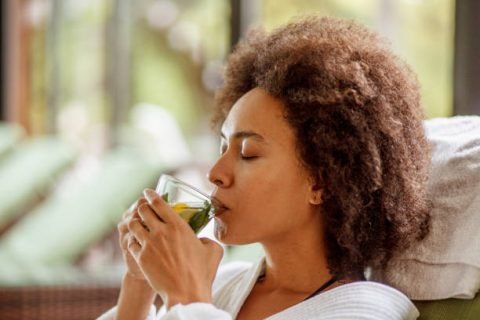
Most remedies focus on cleansing the body, reducing inflammation, easing digestion, and strengthening the immune system. Herbs are commonly prepared as teas, decoctions, poultices, or tonics.
Slippery Elm Bark
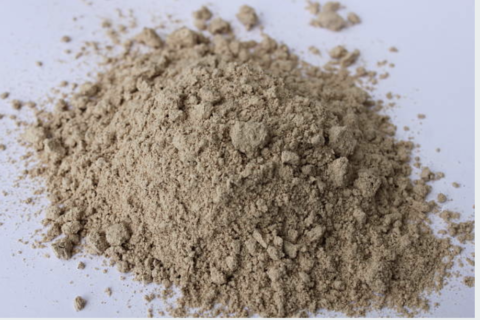
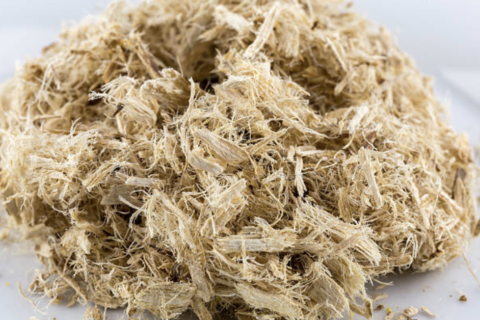
Although slippery elm is native to North America, its bark has become a valued addition to Jamaican herbal practice through trade and shared Caribbean knowledge. Slippery elm bark is best known for its soothing, mucilage-rich texture when mixed with water.
Traditional uses include:
-
Coating and calming the digestive tract
-
Easing acid reflux, ulcers, and gastritis
-
Soothing sore throats and coughs
-
Supporting gut health during illness or recovery
In Jamaican homes, slippery elm bark is often powdered and mixed into warm water, porridge, or herbal blends. It is especially valued for people with sensitive stomachs or those recovering from long-term digestive issues.
Cerasee (Bitter Melon)
Cerasee is one of the most widely used bush medicines in Jamaica. Its sharp bitterness is believed to “wash out” the body.
Common uses:
-
Blood cleansing
-
Supporting healthy blood sugar levels
-
Easing skin conditions like eczema and acne
-
Promoting digestive health
Cerasee tea is often given to children and adults alike, usually in short courses rather than daily use due to its strength.
Guinea Hen Weed (Anamu)
Guinea hen weed is known for its strong garlic-like smell and powerful reputation. It is commonly used for immune support and pain relief.
Traditional uses include:
-
Reducing inflammation
-
Supporting joint and muscle pain
-
Strengthening the immune system
-
Helping the body fight infections
The leaves and roots are most often brewed into tea or crushed for topical use.
Soursop Leaves
While the fruit is popular worldwide, soursop leaves hold a special place in Jamaican herbal medicine.
Used traditionally for:
-
Promoting relaxation and sleep
-
Supporting nervous system health
-
Reducing mild pain and inflammation
-
General wellness teas
Soursop leaf tea is often consumed in the evening due to its calming effect.
Ginger
Ginger is a staple in Jamaican kitchens and medicine cabinets. It is used both fresh and dried.
Traditional benefits include:
-
Relieving nausea and digestive discomfort
-
Supporting circulation
-
Easing cold and flu symptoms
-
Reducing inflammation
Ginger tea, sometimes combined with honey and lime, is one of the most common home remedies on the island.
How Jamaican Herbs Are Prepared
Preparation matters. Most herbs are:
-
Boiled as teas or decoctions
-
Steeped fresh or dried
-
Combined into multi-herb blends
Dosage is often guided by experience rather than measurement, which is why traditional knowledge is usually passed down orally.
Respecting Tradition and Safety
While Jamaican medicinal herbs offer many benefits, they should be used with care. Some herbs are potent and not meant for long-term daily use. Pregnant individuals and those with chronic conditions should always consult a qualified healthcare provider before using herbal remedies.
Preserving Island Healing Knowledge
Jamaican bush medicine is more than natural treatment. It is cultural memory, resilience, and connection to the land. As interest in herbal wellness grows worldwide, preserving and respecting these traditions becomes even more important.
By understanding herbs like slippery elm bark and their role in traditional Jamaican healing, we honor a system of medicine built on observation, community, and centuries of lived experience.