Slippery Elm Bark Benefits and Uses: A Complete Herbal Guide
Slippery elm bark comes from the inner bark of the slippery elm tree, native to North America. For centuries, it has been a staple in traditional herbal practices, especially among Indigenous communities. Today, slippery elm bark remains popular in modern herbalism, valued for its soothing properties and wide range of uses.
This article explores what slippery elm bark is, how it works, its traditional and modern uses, safety considerations, and how it is commonly prepared. If you run an herbal blog or are building a natural remedies library, slippery elm bark is an essential plant to understand.
What Is Slippery Elm Bark?
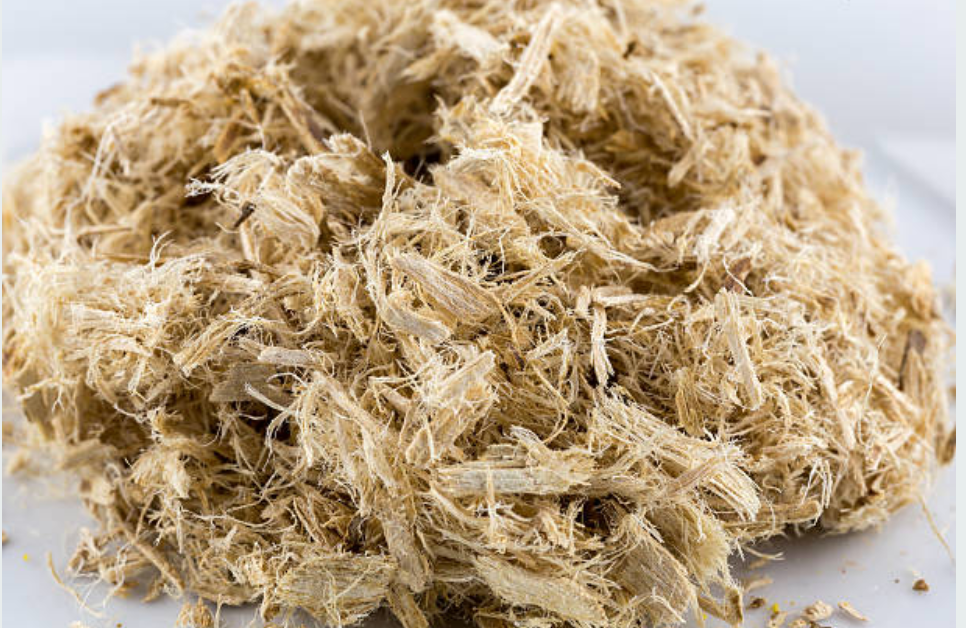
Slippery elm bark refers specifically to the inner bark of the slippery elm tree. When mixed with water, the bark produces a thick, mucilage-rich substance. This mucilage is what gives slippery elm its name and most of its herbal benefits. The texture becomes slick and gel-like, coating tissues it comes into contact with.
Because of this unique property, slippery elm bark has long been used to calm irritated tissues, both internally and externally. Historically, it was prepared as teas, poultices, and gruels, and even used as a survival food during times of scarcity.
Key Benefits of Slippery Elm Bark
The primary value of slippery elm bark lies in its soothing and protective action. Rather than forcing a strong reaction in the body, it works gently by coating and calming.
Digestive support
Slippery elm bark is most commonly used for digestive discomfort. The mucilage coats the lining of the throat, stomach, and intestines, which may help ease irritation related to acid reflux, occasional heartburn, gastritis, and sensitive digestion. Herbalists often recommend it for people who experience burning or dryness in the digestive tract.
Throat and respiratory comfort
When taken as a tea or lozenge, slippery elm bark can help soothe a dry, scratchy, or irritated throat. It has traditionally been used during seasonal discomforts that affect the voice or upper respiratory tract.
Skin and topical use
Applied externally, slippery elm bark has been used in poultices for minor skin irritations, wounds, burns, and splinters. The moist, soothing texture helps protect the skin and maintain a hydrated environment.
Nutritional support
Slippery elm bark contains small amounts of fiber, calcium, magnesium, and other nutrients. While it is not used primarily as a nutrient source today, it has historically been consumed as a nourishing food when digestion was weak.
How Slippery Elm Bark Is Used
Slippery elm bark is available in several forms, making it accessible for different preferences.
Powder
The powdered inner bark is the most common form. It can be mixed with warm water to create a thick drink or paste. For digestive use, many people stir the powder into water, herbal tea, or even oatmeal.
Tea
Slippery elm bark tea is typically made by gently simmering the bark rather than steeping it like a leaf. This helps release the mucilage and creates a thicker consistency.
Capsules and lozenges
Capsules offer convenience, while lozenges are popular for throat support. Lozenges allow the bark to coat the throat slowly as they dissolve.
Safety and Considerations
Slippery elm bark is generally considered gentle and well tolerated. However, because it coats the digestive tract, it may slow the absorption of medications or supplements if taken at the same time. It is usually recommended to take slippery elm bark at least one to two hours apart from medications.
Sustainability is another important consideration. Slippery elm trees have faced population decline due to disease and overharvesting. When purchasing slippery elm bark, look for ethically sourced products from reputable suppliers.
Pregnant or breastfeeding individuals should consult a qualified healthcare professional before using slippery elm bark regularly.
Slippery Elm Bark in Modern Herbalism
In today’s herbal world, slippery elm bark is often described as a demulcent, an herb that soothes and protects irritated tissues. Its gentle nature makes it a popular choice for people who cannot tolerate stronger herbs.
While it is not a quick fix, slippery elm bark fits well into long-term wellness routines focused on calming, nourishing, and supporting the body rather than overpowering symptoms.
Final Thoughts
Slippery elm bark is a classic herbal remedy with a long history and continued relevance. Its ability to soothe, coat, and protect makes it especially valuable for digestive and throat support. When sourced responsibly and used thoughtfully, it remains one of the most versatile and gentle herbs available.
For herbal practitioners, educators, and natural wellness enthusiasts, slippery elm bark is more than a traditional remedy. It is a reminder that sometimes the most effective support comes from slow, steady, and soothing plants.