Leaf of Life Tea for Sinus Relief and Respiratory Support
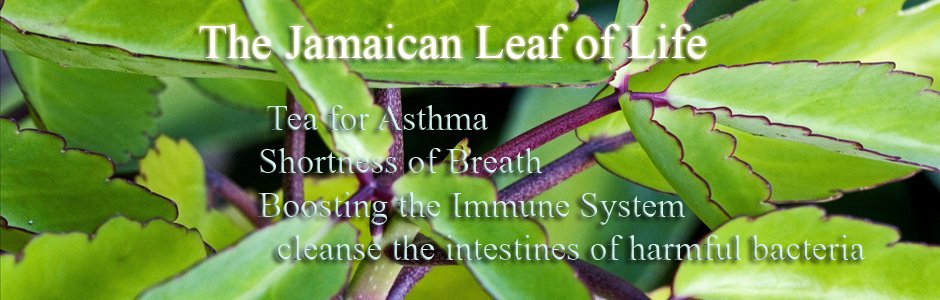
People who suffer from sinusitis may experience discomfort, congestion, and difficulty breathing due to blockages in the nasal passages. Many people search for natural ways to find relief from sinus pressure and breathing difficulties. One traditional herbal remedy commonly used in Jamaica is Leaf of Life tea.
Leaf of Life tea is valued for its refreshing properties and is traditionally used to support respiratory health. Rich in natural compounds, vitamins, and minerals, this herbal tea has been enjoyed for generations as a soothing drink for people dealing with sinus discomfort and breathing problems.
Drinking a warm cup of Leaf of Life tea may help support the body in several ways, including:
- Helping to promote easier breathing
- Supporting clear nasal passages
- Soothing the respiratory tract
- Helping the body relax during congestion and discomfort
- Supporting overall respiratory wellness
Many people enjoy Leaf of Life tea as part of their daily wellness routine, especially during periods of seasonal changes when sinus discomfort may become more noticeable.
If you experience sinus congestion or occasional breathing discomfort, a warm cup of Leaf of Life tea may provide a soothing and refreshing herbal experience. As with all herbal products, it is important to use responsibly and consult a healthcare professional if symptoms persist.
Jamaican Herbal Tea Bags – Traditional Caribbean Bush Teas from Jamaica
Herbal tea has been part of Jamaican culture for centuries. Across the island, families have traditionally used herbal teas made from fresh leaves, roots, bark, and spices to support wellness and relaxation. Today, Jamaican herbal tea bags are becoming popular worldwide as more people search for natural and authentic herbal products from the Caribbean.
Wildcrafted vs. Organic: What’s the Difference in Jamaican Herbs?
Jamaica is home to some of the world’s most prized herbs — from soursop leaf and guinea hen weed to cerasee and turmeric. As the demand for natural remedies and flavorful spices grows, so does the interest in how these herbs are sourced. One question often comes up: what’s the difference between wildcrafted and organic Jamaican herbs?
If you’ve browsed our collection at Island Herbs and Spices, you’ve probably seen both terms used. Here’s a simple, clear breakdown to help you understand what you’re buying — and why it matters.
What Does "Wildcrafted" Mean?
Wildcrafted herbs are gathered directly from their natural environment — the forests, fields, and hillsides of Jamaica. These plants grow wild, without human intervention. Harvesters pick them by hand, following sustainable practices to ensure future growth.
Wildcrafting is an ancient practice, especially in Jamaica where many traditional healers rely on herbs from nature. For example:
-
Guinea hen weed often grows wild in Jamaican bushlands.
-
Soursop leaves are often picked from naturally growing trees.
-
Cerasee (bitter melon vine) is commonly found climbing fences and growing untended.
Benefits of Wildcrafted Herbs:
-
Grown in their native environment, exposed to natural elements.
-
No artificial chemicals, fertilizers, or pesticides used.
-
Harvested at peak potency by experienced gatherers.
-
Often believed to contain stronger medicinal properties due to natural stress factors.
Considerations:
-
Potency and appearance can vary by harvest.
-
Traceability can be harder — wildcrafted herbs do not follow a formal certification process.
-
Not always available year-round.
What Does "Organic" Mean?
Organic herbs are grown on farms that follow certified organic standards. In Jamaica, and globally, this means the farm avoids synthetic fertilizers, pesticides, herbicides, and GMOs. The soil must be nurtured naturally, using compost, crop rotation, and other eco-friendly practices.
Certified organic Jamaican herbs include:
-
Turmeric root grown on small organic farms.
-
Moringa cultivated under strict organic guidelines.
-
Ginger produced without chemical inputs.
Benefits of Organic Herbs:
-
Grown in controlled conditions, ensuring consistency and quality.
-
Certification provides assurance of how the herb was produced.
-
Traceability from farm to table.
-
Often available in larger, more consistent quantities.
Considerations:
-
Requires more infrastructure — some smaller herbs may not be organically farmed simply because they are more easily wild-harvested.
-
Certification adds cost, which can raise the price slightly.
Wildcrafted vs. Organic: Which Is Better?
There’s no simple answer — both methods have strong advantages.
Choose wildcrafted herbs if:
-
You value herbs gathered from their natural environment.
-
You appreciate traditional herbal practices.
-
You want the most "untouched" version of an herb.
Choose organic herbs if:
-
You want consistency in taste, appearance, and potency.
-
You value certified production standards.
-
You want traceable herbs that meet strict guidelines.
At Island Herbs and Spices, we offer both wildcrafted and organic Jamaican herbs, depending on what’s most appropriate for each plant. Some herbs thrive wild and are difficult to cultivate commercially (like guinea hen weed). Others are better grown organically for consistent results (like turmeric and moringa).
How to Make Your Choice
When shopping for Jamaican herbs, ask yourself:
-
What is my intended use? (Medicinal teas? Culinary use?)
-
Do I prefer the assurance of certified organic standards, or the raw power of wildcrafted plants?
-
Is sustainability important to me? (Both wildcrafted and organic can be sustainable — as long as ethical harvesting practices are followed.)
Both wildcrafted and organic herbs can be powerful tools for wellness and flavor. What matters most is sourcing from a trusted supplier — like Island Herbs and Spices — who ensures that every herb is harvested or grown with care.
Final Thoughts
Whether wildcrafted or organic, Jamaican herbs offer incredible benefits rooted in centuries of tradition. Understanding the difference helps you make informed choices based on your needs and values.
Browse our collection and explore the rich world of Jamaican herbs — straight from nature to your home.
Natural Supplements for Managing Blood Sugar: Why Guava Leaf Tea Deserves the Spotlight
Managing blood sugar levels naturally has become a growing interest for many people, especially those looking to prevent or control type 2 diabetes. While medical treatment is essential, several natural supplements can support healthy blood glucose levels when used alongside a balanced diet and lifestyle. Among these powerful remedies, guava leaf tea stands out for its science-backed benefits in regulating blood sugar.
1. Guava Leaves – Nature’s Gift for Blood Sugar Control
Guava leaves, traditionally used in Caribbean and Asian folk medicine, are now gaining international recognition for their impressive ability to lower blood sugar levels. These leaves are rich in antioxidants like quercetin, tannins, and polyphenols, which have shown promising effects in improving insulin sensitivity and slowing down the absorption of sugar in the bloodstream.
A study published in the Nutrition & Metabolism journal found that drinking guava leaf tea after meals can significantly reduce post-meal blood sugar spikes. It works by inhibiting certain enzymes that convert carbohydrates into glucose, making it a great support for managing diabetes and prediabetes naturally.
👉 Get your guava leaves here:
Buy Guava Leaves Tea for Lowering Blood Sugar
Our guava leaves are organically grown and carefully dried to preserve their potency. They’re ideal for making a daily tea that supports your body’s natural blood sugar regulation.
2. Cinnamon
Cinnamon is another powerful spice with anti-diabetic effects. It helps reduce insulin resistance and lowers fasting blood glucose levels. A daily dose of 1–6 grams of Ceylon cinnamon is often recommended to improve glycemic control. It also adds flavor without sugar, making it a healthy addition to teas and meals.
3. Bitter Melon
Commonly used in traditional Jamaican remedies, bitter melon contains compounds that mimic insulin and help cells take up glucose. Studies suggest it can lower blood glucose levels and improve glucose tolerance. Bitter melon can be consumed as a juice, tea, or capsule.
4. Berberine
Berberine is a bioactive compound found in several herbs, including goldenseal and barberry. Research shows that it works similarly to the drug Metformin by decreasing insulin resistance, improving glucose uptake, and reducing sugar production in the liver. It’s one of the most studied natural supplements for managing type 2 diabetes.
5. Fenugreek Seeds
Fenugreek is a traditional herb rich in soluble fiber, which helps slow down carbohydrate digestion and absorption. It has been shown to improve both fasting and postprandial blood sugar levels. You can soak the seeds overnight and drink the water or grind them into powder for cooking.
Final Thoughts
While lifestyle factors like diet and exercise play the most crucial role in managing blood sugar, natural supplements like guava leaf tea offer a gentle yet effective boost. It’s an excellent herbal solution with centuries of traditional use and modern science to back it up.
Start your journey to better blood sugar control today with guava leaves from Island Herbs and Spices — your trusted source for wildcrafted Jamaican herbs.
Top 5 Wild-Grown Jamaican Herbs for Immune Support
When it comes to natural health, few places match the richness of Jamaica’s wild-grown herbs. These plants aren’t just part of tradition—they’re powerful, organic immune boosters backed by generations of use. Whether brewed as teas or taken as tinctures, these Jamaican herbs offer a natural way to strengthen the immune system and fight off everyday illnesses. Here are five standout herbs to keep on your radar.
1. Guaco (Mikania micrantha)
Known as "the rainforest vine," guaco is a potent herb with anti-inflammatory and antimicrobial properties. Traditionally used for colds, chest congestion, and asthma, guaco acts as a natural bronchodilator and immune enhancer. It also helps clear mucus, making it especially useful during flu season.
How to use it: Guaco leaves can be boiled into a tea or made into a syrup. A daily dose helps keep respiratory issues in check.
2. Guinea Hen Weed (Petiveria alliacea)
One of the most talked-about Jamaican herbs, guinea hen weed is a powerhouse. It's antifungal, antibacterial, and even has reported antiviral activity. It stimulates the immune system and is often used for fighting infections and inflammation. Some also use it as a complementary herb in cancer-fighting protocols.
How to use it: Drink it as a tea or use a few drops of its extract. It’s strong, so start with small amounts.
3. Vervain (Stachytarpheta jamaicensis)
Vervain is a calming herb that doubles as an immune support agent. It helps the body manage stress—which directly affects immune health—and has antiviral and antibacterial qualities. It’s often used to soothe colds, coughs, and fevers.
How to use it: Steep the leaves or flowers in hot water for a calming herbal tea that supports your immune and nervous systems.
4. Cerasee (Momordica charantia)
Bitter but effective, Cerasee is one of the most respected Jamaican herbs for purifying the blood and detoxing the body. A clean system means a more responsive immune defense. It’s also used to manage diabetes, infections, and digestive issues.
How to use it: Boil the vine and leaves to make tea. Drink it weekly or more often during cold season—just brace for the bitterness.
5. Sarsaparilla (Smilax regelii)
Popular for its blood-cleansing abilities, sarsaparilla also helps reduce inflammation and fight off bacteria and toxins. It’s high in iron and great for boosting energy and general health, especially when your immune system needs support.
How to use it: Use the dried root to make tea or tonic blends. It also pairs well with other herbs like guaco or vervain.
Why Go Wild and Organic?
Wild-grown Jamaican herbs aren’t just natural—they’re untouched by synthetic fertilizers and pesticides. That means more potent compounds and fewer toxins in your body. Choosing organic immune boosters like these supports your health and keeps traditional herbal knowledge alive.
Always consult with a healthcare professional before starting any new herbal regimen—especially if you’re pregnant, nursing, or taking medications.
Want to explore more Jamaican herbs or find wildcrafted blends? Visit our online shop at Island Herbs and Spices—your source for authentic, organic Jamaican wellness.
Jamaican Herbs for Acne: Nature’s Remedies from Island Herbs and Spices
Jamaican Herbs for Digestive Health and Natural Gut Cleansing
Jamaican Bush Tea for Wellness: Traditional Herbal Remedies for Modern Health
Jamaican bush tea holds a storied place in both the history and the heart of Jamaican culture. Traditionally consumed for both its flavor and medicinal benefits, this herbal beverage is gaining popularity worldwide as a cornerstone of wellness routines. Explore how these ancient brews can contribute to modern health practices.
The Roots of Jamaican Bush Tea
Bush tea in Jamaica is not just a drink; it's a remedy passed down through generations. Common ingredients like lemongrass, known locally as "fever grass," ginger, and moringa, each carry properties that have been cherished by Jamaicans for their healing effects. These teas have been used traditionally to treat everything from colds and fever to anxiety and insomnia.
Top 5 Jamaican Bush Teas for Health and Wellness
Lemongrass Tea: Refreshing and calming, lemongrass tea is a staple in many homes for relieving pain and boosting immunity.
Ginger Tea: Known for its ability to soothe upset stomachs, ginger tea is a powerful anti-inflammatory.
Moringa Tea: Loaded with antioxidants, moringa boosts energy levels and supports metabolic health.
Cerassie Tea: Often turned to for detoxification, cerassie can be bitter but highly effective.
Peppermint Tea: Excellent for digestion and a soothing agent for stressful days.
How to Prepare Traditional Jamaican Bush Tea
Preparing bush tea involves more than steeping leaves; it's about embracing an herbal tradition. Start by sourcing fresh dried, authentic ingredients sold here from island Herbs and spices. For a true Jamaican experience, herbs are often boiled in water for a few minutes to extract their full flavor and medicinal properties. Each tea can be enjoyed plain or sweetened according to taste.
Modern Wellness and Traditional Practices
Integrating bush tea into modern wellness routines is easy and beneficial. These teas offer a natural way to support various aspects of health, including digestion, immune function, and mental well-being, aligning perfectly with the holistic approach to modern health.
Conclusion
Embracing Jamaican bush tea is about more than enjoying a warm, soothing beverage. It's a step toward blending time-honored remedies with contemporary wellness practices. Whether you're a long-time tea enthusiast or new to the world of herbal brews, exploring the benefits of Jamaican bush tea could be your pathway to a healthier life. Traditional Jamaican Herbs for Stress Relief, Sleep, and Nerve Health
Jamaican Herbs Traditionally Used for Stress, Sleep, and Nerve Support
In Jamaica, bush tea was always part of life. If someone could not sleep, felt stressed out, had shaky nerves, or just needed to calm their mind after a long day, there was always a pot of herbal tea on the stove. Long before wellness drinks and supplements became popular, our parents and grandparents already understood the value of natural herbs for relaxation and overall well-being.
Today, more people are returning to traditional Jamaican herbs as they search for natural ways to support stress relief, better sleep, and nervous system health. Modern life can be overwhelming, and many people are looking for simple, natural routines that help them slow down and feel more balanced.
One herb that has always been popular in Jamaican homes is soursop leaf tea. I personally keep soursop leaves close by because it has been one of my favorite herbs since I was young. In many Jamaican households, soursop leaf tea is traditionally used in the evenings to help relax the body and calm the mind before bed. After a stressful day on the farm or after long hours working, a warm cup of soursop tea has always brought a comforting feeling.
Another herb becoming more recognized today is ashwagandha. While it did not grow up traditionally in every Jamaican backyard, many herbal farmers now cultivate it because of its reputation as a natural adaptogenic herb. Many people use ashwagandha as part of their wellness routine to help the body manage everyday stress and fatigue naturally.
Jamaica is blessed with many herbs that people traditionally turn to for relaxation and nerve support. Herbs like fever grass, passion flower, guinea hen weed, and even mint teas are commonly used as calming herbal drinks. Some people enjoy these teas in the evening, while others make them part of their daily routine to help maintain balance and wellness naturally.
One thing I always appreciate about herbal living is how simple it can be. Most herbal teas only require a few fresh or dried leaves, hot water, and a little patience while the herbs steep. It is a peaceful tradition that has been passed down through generations in Jamaica.
Of course, herbs should be used responsibly, especially for persons who are pregnant, nursing, taking medication, or managing health conditions. Herbal remedies are not meant to replace medical advice, but many people continue to enjoy them as part of a natural lifestyle and wellness routine.
At Island Herbs & Spices, we continue to grow and prepare many of our herbs naturally in the Jamaican hills. For us, herbal medicine is more than a business — it is part of our culture, our family traditions, and the way we have cared for ourselves for generations.