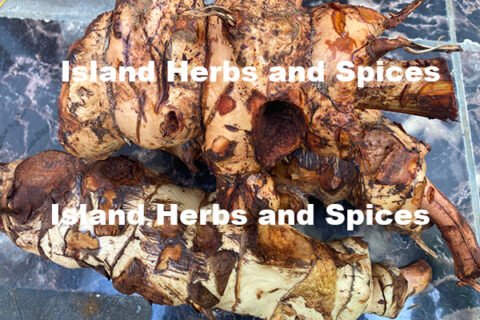
Herbal remedies have been used for centuries to treat common ailments, boost wellness, and support the body’s natural healing process. Making them at home is easier than you think, and with the right ingredients, you can build your own natural medicine cabinet. This guide walks you through the basics of home herbalism using authentic Jamaican herbs from IslandHerbsandSpices.com.
Why Make Herbal Remedies at Home?
-
Control Over Ingredients: No fillers, no additives—just clean, whole herbs.
-
Cost-Effective: DIY saves money in the long run.
-
Cultural Connection: Many of these herbs have deep roots in Jamaican traditions and Afro-Caribbean healing.
-
Sustainable Wellness: Use nature’s gifts instead of reaching for pharmaceuticals first.
Essential Tools to Start With
Before you dive in, stock your kitchen with these basics:
-
Glass jars (for infusions and tinctures)
-
Cheesecloth or fine mesh strainer
-
Mortar and pestle or grinder
-
Small saucepan
-
Dropper bottles or amber jars
-
Labels (trust us, you’ll need them)
Must-Have Herbs from IslandHerbsandSpices.com
These are potent, trusted herbs with long-standing traditional uses:
-
Guinea Hen Weed (Anamu) – boosts immunity, anti-inflammatory
-
Soursop Leaf – promotes sleep, may support cancer prevention
-
Cerassie (Bitter Melon) – blood cleanser, good for skin and digestion
-
Dandelion Root – liver support and detox
-
Turmeric Root – anti-inflammatory, joint support
-
Moringa Leaf – nutrient-rich superfood
-
Neem Leaf – antimicrobial, skin health
-
Fever Grass (Lemongrass) – calming, digestion aid
-
Peppermint – digestive tonic, relieves nausea
-
Ginger Root – boosts circulation, relieves cold symptoms
5 Simple Herbal Remedies You Can Make
1. Herbal Tea Infusions
Best for: digestion, stress, immunity
How to:
-
Steep 1–2 tsp of dried herbs (e.g., cerassie, moringa, peppermint) in hot water for 10–15 mins.
-
Strain and sip 1–3 times daily.
-
Sweeten with honey if needed.
2. Tinctures
Best for: long-term storage, concentrated dosing
How to:
-
Fill a jar with chopped herb (like guinea hen weed), cover with alcohol (vodka or rum).
-
Let it steep for 4–6 weeks in a dark spot, shaking occasionally.
-
Strain and store in dropper bottles.
-
Dose: 10–30 drops in water 1–3x/day.
3. Herbal Oils
Best for: skin issues, massage
How to:
-
Combine dried neem leaf or turmeric with coconut oil.
-
Gently heat on low for 2–3 hours or let it infuse in a sunny window for 2 weeks.
-
Strain and store in a clean bottle.
4. Herbal Salves
Best for: cuts, burns, eczema
How to:
-
Mix your herbal oil (above) with beeswax over low heat.
-
Pour into tins or jars and cool.
-
Apply to affected areas.
5. Herbal Steams
Best for: colds, sinus issues, skin detox
How to:
-
Add peppermint, ginger, and fever grass to a bowl of hot water.
-
Lean over with a towel over your head and inhale deeply for 10 minutes.
Safety Tips for Beginners
-
Know your herb – Read up on each herb’s properties and contraindications.
-
Start small – Use one or two herbs at a time until you understand their effects.
-
Store smart – Keep remedies in cool, dark places, and label everything with the name and date.
-
Listen to your body – Discontinue use if you feel off or react negatively.
-
Consult a professional – If pregnant, breastfeeding, or on medications, talk to a herbalist or doctor first.
Final Thoughts
Herbalism isn’t about magic cures—it’s about working with your body over time, using plants that support healing and balance. With a few high-quality herbs from IslandHerbsandSpices.com and some basic techniques, you can build a natural toolkit that empowers your health from the inside out.