

Discover the health benefits of medicinal mushrooms, including Turkey Tail, Reishi, Lion’s Mane and Chaga. Explore scientific studies on immunity, antioxidants and cancer research.
Medicinal Mushrooms: Health Benefits, Immune Support, Cancer Research & Scientific Studies
Discover the traditional uses, active compounds, and scientific discoveries behind some of nature’s most fascinating fungi.
Introduction: What Are Medicinal Mushrooms?
Medicinal mushrooms have been valued for centuries in traditional Chinese, Japanese, and other Asian wellness practices. Unlike ordinary culinary mushrooms, which are primarily consumed as food, medicinal mushrooms are often prepared as teas, powders, capsules, and concentrated extracts.
Today, these fascinating fungi are attracting increasing scientific attention for their naturally occurring compounds, particularly beta-glucans, polysaccharides, triterpenes, and antioxidants.
Researchers are investigating how these substances interact with the immune system, influence inflammation, and affect cellular processes.
Some of the most widely researched medicinal mushrooms include:
- Turkey Tail (Trametes versicolor)
- Reishi (Ganoderma lucidum)
- Lion’s Mane (Hericium erinaceus)
- Chaga (Inonotus obliquus)
- Maitake (Grifola frondosa)
- Shiitake (Lentinula edodes)
Of particular interest is the scientific research examining certain mushroom extracts as complementary therapies alongside conventional cancer treatments.
However, it is important to understand that medicinal mushrooms are not proven cures for cancer, and research findings involving concentrated extracts cannot automatically be applied to mushroom teas or commercially available blends.
1. Turkey Tail Mushroom: Immune Function and Cancer Research
Scientific Name: Trametes versicolor
Turkey Tail is one of the most extensively investigated medicinal mushrooms in cancer-related research.
Its name comes from its colorful, fan-shaped appearance, which resembles the tail feathers of a wild turkey.
Turkey Tail contains several biologically active compounds, including:
- Polysaccharide-K (PSK)
- Polysaccharopeptide (PSP)
- Beta-glucans
- Phenolic compounds
Potential Benefits Being Studied
Turkey Tail compounds have been investigated for their ability to influence immune-cell activity, including natural killer cells, macrophages, and T lymphocytes.
Researchers are also examining whether standardized Turkey Tail extracts may improve certain outcomes when used alongside conventional cancer treatments.
Scientific Studies on Turkey Tail
Study 1: Gastric Cancer Clinical Trials
Research conducted in Japan investigated PSK, a standardized protein-bound polysaccharide derived from Turkey Tail, alongside conventional cancer treatment.
In a randomized study involving approximately 750 patients with gastric cancer, researchers examined long-term survival among patients receiving conventional treatment with or without PSK.
Five-year survival was reported as 67.9% in the PSK group compared with 61.8% in the control group. The overall difference did not meet the conventional threshold for statistical significance, although one subgroup showed a significant difference.
Study 2: Colorectal Cancer Research
A meta-analysis of three clinical trials involving 1,094 patients examined PSK alongside chemotherapy after colorectal cancer surgery.
The analysis reported five-year survival of approximately 79% in the PSK group compared with 72.2% in the chemotherapy-only group.
These findings are encouraging, but they relate to specific standardized preparations used in particular treatment settings.
Study 3: Systematic Review of Medicinal Mushrooms
A 2023 systematic review evaluated clinical research involving various medicinal mushroom supplements in cancer care.
Some studies reported improvements in immune measurements, quality of life, treatment-related symptoms, or survival outcomes.
However, the authors concluded that the evidence remained insufficient to recommend routine mushroom supplementation for cancer patients.
Important Distinction: PSK used in clinical research is not equivalent to ordinary Turkey Tail powder or tea. The amount, extraction method, and biological activity may differ considerably.
2. Reishi Mushroom: Traditional Wellness and Immune Research
Scientific Name: Ganoderma lucidum
Reishi, sometimes called Lingzhi or the Mushroom of Immortality, has been used in traditional Asian herbal practices for centuries.
Reishi contains naturally occurring compounds such as:
- Beta-glucans
- Triterpenes
- Ganoderic acids
- Polysaccharides
Potential Benefits Being Studied
Researchers have investigated Reishi for its effects on immune signaling, inflammation, and cellular activity.
Laboratory studies suggest that certain Reishi compounds can influence immune cells and biological pathways associated with inflammation.
Scientific Studies on Reishi
Study 1: Cochrane Systematic Review
A Cochrane review published in 2016 examined five randomized controlled trials involving Reishi preparations in people with cancer.
Some studies reported changes in immune measurements and improvements in quality-of-life assessments.
However, the reviewers found insufficient evidence to support Reishi as a primary cancer treatment.
They also concluded that its effects on long-term cancer survival remained uncertain.
Study 2: Colorectal Polyp Research
A clinical study involving 225 participants investigated a Reishi mycelium extract in people with colorectal adenomas, which are generally benign growths that can sometimes become cancerous.
After 12 months, researchers reported reductions in the number and size of adenomas in the extract group compared with the untreated group.
Although interesting, this study did not establish that Reishi prevents colorectal cancer. Larger, well-controlled studies are necessary.
Reishi Safety Considerations
Reishi may cause nausea, insomnia, or, rarely, liver injury. It may also increase bleeding risk when combined with anticoagulant medications and may interact with immunosuppressive treatment.
People undergoing cancer treatment should obtain medical advice before taking concentrated Reishi products.
3. Lion’s Mane Mushroom: Brain Health and Cognitive Research
Scientific Name: Hericium erinaceus
Lion’s Mane is a distinctive white mushroom with long, flowing spines resembling a lion’s mane.
It has attracted research interest for compounds known as hericenones and erinacines.
Areas of Scientific Interest
Researchers are investigating Lion’s Mane for its possible influence on:
- Nerve growth factor-related pathways
- Memory and cognitive function
- Nervous system health
- Mood and psychological well-being
Small human studies have explored cognitive outcomes, while laboratory and animal studies have investigated mechanisms involving nerve growth and neuroprotection.
Although some preliminary findings are promising, there is not yet enough high-quality human evidence to establish Lion’s Mane as an effective treatment for dementia, memory loss, or neurological disorders.
4. Chaga Mushroom: Antioxidants and Cellular Research
Scientific Name: Inonotus obliquus
Chaga is a dark, woody fungus commonly found growing on birch trees in colder regions.
It contains naturally occurring polyphenols, polysaccharides, and other compounds that have attracted interest in antioxidant research.
Potential Benefits Being Studied
Laboratory studies have investigated Chaga extracts for antioxidant activity, inflammatory signaling, and effects on certain cancer cell lines.
However, these studies do not demonstrate that Chaga tea prevents or treats cancer in humans.
Important Safety Information
Chaga can contain high concentrations of oxalates. Excessive or prolonged consumption has been associated with serious kidney problems, including oxalate-related kidney injury.
Individuals with kidney disease or a history of kidney stones should be particularly cautious.
5. Maitake Mushroom: Beta-Glucans and Immune Function
Scientific Name: Grifola frondosa
Maitake, sometimes called Hen of the Woods, is both an edible and traditionally valued medicinal mushroom.
It contains beta-glucans and other polysaccharides that have been investigated for their effects on immune-cell signaling.
Laboratory and small clinical studies have examined Maitake extracts in relation to immune function and cancer care.
However, there is insufficient evidence to conclude that Maitake supplements improve cancer survival or prevent disease.
6. Shiitake Mushroom: Nutrition and Traditional Herbal Use
Scientific Name: Lentinula edodes
Shiitake is widely consumed as food and is also valued in traditional Asian herbal practices.
It contains dietary fiber, B vitamins, minerals, and polysaccharides.
One well-studied compound is lentinan, a purified beta-glucan investigated as an adjunct to cancer treatment in certain Asian clinical settings.
Research involving purified lentinan does not establish that eating Shiitake mushrooms or drinking Shiitake tea produces equivalent clinical effects.
Shiitake remains a useful culinary mushroom that can contribute nutrients and variety to a balanced diet.
7. How Do Medicinal Mushrooms Interact With the Immune System?
The immune system consists of specialized cells and biological pathways that help the body recognize and respond to infections, abnormal cells, and other threats.
Many medicinal mushrooms contain beta-glucans, a group of complex carbohydrates found in fungal cell walls.
Scientists have investigated how certain beta-glucans interact with immune receptors and influence the activity of macrophages, dendritic cells, and natural killer cells.
These interactions are often described as immunomodulation, meaning changes in immune activity rather than simply making the immune system stronger.
This distinction matters because increased immune activity is not always beneficial, especially for people with autoimmune conditions, organ transplants, or those receiving immunotherapy.
Different mushroom species and extracts may produce different biological effects.
8. Medicinal Mushrooms and Cancer: What Does the Research Really Show?
Cancer research involving medicinal mushrooms is one of the most interesting areas of botanical medicine.
Scientists have investigated certain mushroom-derived compounds for their effects on:
Immune Response: Some extracts influence immune-cell activity and signaling pathways.
Cellular Processes: Laboratory studies have examined whether mushroom compounds affect cancer-cell growth, programmed cell death, or other biological mechanisms.
Complementary Cancer Care: Selected standardized extracts have been studied alongside surgery, chemotherapy, or radiation.
Quality of Life: Some clinical studies have examined fatigue, symptoms, and general well-being during cancer treatment.
Nevertheless, several important limitations remain.
Many studies involve small groups of patients, different mushroom preparations, or treatment combinations that make results difficult to compare.
Some promising findings come only from laboratory or animal experiments.
A 2023 systematic review of clinical studies concluded that the available evidence was not strong enough to recommend routine medicinal mushroom supplementation for cancer patients.
The US National Cancer Institute also emphasizes that medicinal mushroom products have not been approved by the FDA as cancer treatments.
Medicinal mushrooms should never replace surgery, chemotherapy, radiation, immunotherapy, or other medically recommended treatments.
9. Medicinal Mushroom Tea Versus Concentrated Extracts
Medicinal mushrooms are available in several forms, including dried mushroom pieces, powders, capsules, liquid extracts, and tea blends.
The preparation method can influence which compounds are present and how much is consumed.
For example, some mushroom polysaccharides can be extracted using hot water, while other compounds may require different extraction techniques.
A simple mushroom infusion does not necessarily contain the same concentrations of active substances as a standardized clinical extract.
Therefore, benefits observed in studies involving purified PSK, PSP, or other concentrated compounds should not be assumed to apply to ordinary mushroom tea.
Consumers should choose products from suppliers that provide clear ingredient identification, responsible sourcing, and appropriate quality testing.
10. Discover Botanical Wellness With Island Herbs and Spices
At Island Herbs and Spices, we appreciate the connection between traditional herbal knowledge and modern scientific research.
Our interest in medicinal mushrooms reflects a broader commitment to exploring natural botanical ingredients and their place in everyday wellness.
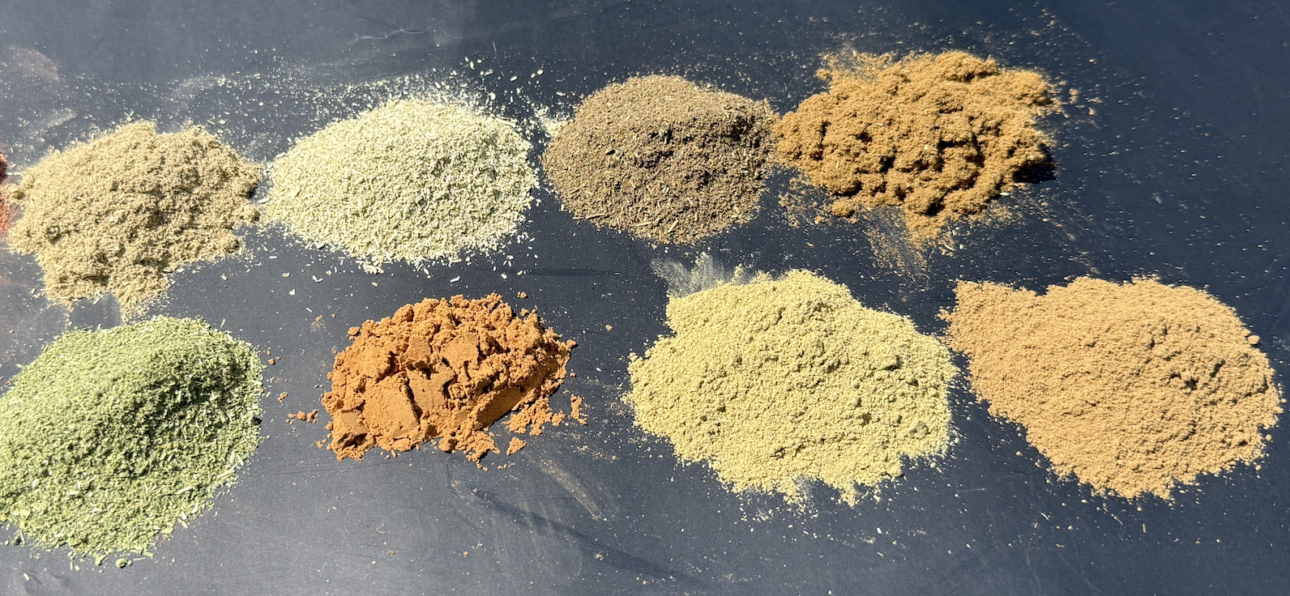
Our Premium Botanical Antioxidant & Wellness Tea brings together six carefully selected ingredients:
- Turkey Tail Mushroom
- Reishi Mushroom
- Turmeric
- Moringa
- Green Tea
- Astragalus Root
This botanical combination features ingredients valued in traditional wellness practices and studied for their naturally occurring plant compounds.
Our tea is intended for general botanical wellness rather than the prevention or treatment of disease.
Customers receiving cancer treatment or taking prescription medication should consult their healthcare professional before using herbal and mushroom products.
Explore our herbal collection at:
Conclusion
Medicinal mushrooms represent an exciting intersection between traditional botanical knowledge and modern scientific investigation.
Turkey Tail and Reishi have received particular attention in cancer-related research, while Lion’s Mane, Chaga, Maitake, and Shiitake continue to be studied for their diverse biological compounds.
Although research has produced some promising findings, medicinal mushrooms should be approached with realistic expectations.
The strongest evidence concerns particular standardized extracts in specific clinical settings—not all mushroom products or herbal teas.
As scientific understanding continues to develop, consumers can make more informed decisions by considering the quality of available research, product preparation methods, and individual health circumstances.
Nature offers remarkable botanical diversity, and responsible research helps us better understand its possibilities.
Scientific References and Further Reading
- National Cancer Institute (NCI). Medicinal Mushrooms (PDQ®). Reviews Turkey Tail, Reishi, PSK, and clinical cancer research.
https://www.cancer.gov/about-cancer/treatment/cam/hp/mushrooms-pdq - Jin X. et al. (2016). Ganoderma lucidum (Reishi Mushroom) for Cancer Treatment. Cochrane Database of Systematic Reviews.
https://doi.org/10.1002/14651858.CD007731.pub3 - Medicinal Mushroom Supplements in Cancer: A Systematic Review of Clinical Studies (2023). Reviews clinical research on mushroom preparations used in cancer care.
https://pubmed.ncbi.nlm.nih.gov/36995535/ - Memorial Sloan Kettering Cancer Center. Reishi Mushroom: Benefits, Side Effects, and Interactions.
https://www.mskcc.org/cancer-care/integrative-medicine/herbs/reishi-mushroom
Disclaimer: This article is for educational purposes only and does not constitute medical advice. Medicinal mushrooms and herbal products are not substitutes for professional diagnosis or prescribed treatment.

Recent Comments