

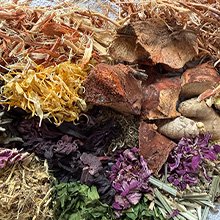
Discover 15 popular Jamaican medicinal herbs, their traditional uses, and authentic Jamaican bush tea ingredients from Island Herbs and Spices.
Jamaica is famous for its beautiful beaches, delicious cuisine, and rich cultural heritage. However, the island is also home to an extraordinary variety of medicinal plants that have been used in traditional Jamaican herbal practices for generations.
From the bitter taste of Cerasee to the refreshing aroma of Lemongrass, Jamaican herbs remain an important part of the island’s natural wellness traditions.
At Island Herbs and Spices, we have spent over 20 years growing, harvesting, and supplying authentic Jamaican herbs. Our farm in Harmony Hall, St. Ann, is home to a variety of organically grown herbs, while other plants are carefully sourced from wild-growing environments.
Here are 15 Jamaican herbs worth discovering.
1. Soursop Leaves (Annona muricata)
Soursop leaves are among the most recognized Caribbean herbal ingredients. Traditionally prepared as a tea, they are especially popular as part of evening relaxation rituals.
2. Cerasee (Momordica charantia)
Cerasee is a bitter climbing vine commonly used in traditional Jamaican bush tea. It has a long history in Jamaican households, particularly in seasonal herbal traditions.
3. Guinea Hen Weed (Petiveria alliacea)
Known for its strong garlic-like aroma, Guinea Hen Weed is an important plant in Caribbean and Latin American herbal traditions. It is often prepared as a traditional herbal infusion.
4. Dog Blood Bush (Rivina humilis)
Dog Blood Bush is recognized in Jamaican folk herbal traditions. It is important to identify this plant correctly, as its safety and medicinal effectiveness have not been established through adequate human research.
5. Chaney Root (Smilax species)
Chaney Root is traditionally used in Jamaican root tonics. It is frequently combined with other roots in beverages associated with strength and vitality.
6. Strong Back Root (Morinda royoc)
Strong Back is a well-known ingredient in traditional Jamaican root drinks. Its name reflects its historical association with physical strength and stamina.
7. Medina (Alysicarpus vaginalis)
Medina is another traditional ingredient in Jamaican root tonics, often included in blends associated with vitality.
Moringa leaves contain nutrients, including vitamins, minerals, and plant compounds. They can be prepared as tea or incorporated into foods and smoothies.
9. Lemongrass (Cymbopogon citratus)
Often called Fever Grass in Jamaica, Lemongrass produces a fragrant, citrus-flavored tea enjoyed hot or cold.
10. Ginger (Zingiber officinale)
Ginger is widely used in Jamaican cooking, beverages, and herbal preparations. Research supports some uses of ginger for nausea, although results depend on the preparation and individual.
11. Breadfruit Leaves (Artocarpus altilis)
Breadfruit leaves have a history of use in Caribbean bush tea traditions. Scientific research into their medicinal properties remains limited.
12. Leaf of Life (Kalanchoe pinnata)
Leaf of Life is a succulent plant with a long history in Caribbean folk medicine. Because it contains biologically active compounds, internal use requires caution.
13. Chanca Piedra (Phyllanthus niruri)
Chanca Piedra is known in several herbal traditions and is frequently discussed in connection with urinary wellness. Clinical evidence remains insufficient to establish it as a treatment for kidney stones.
14. Blue Vervain (Verbena hastata)
Blue Vervain is traditionally associated with calming herbal preparations. It is important to distinguish this species from other plants sold under the name vervain.
15. Sarsaparilla Root (Smilax species)
Sarsaparilla is a familiar ingredient in traditional Jamaican root drinks and herbal beverages.
Why Jamaican Herbs Remain Popular
Jamaican herbs offer more than traditional preparations. They represent generations of agricultural knowledge, cultural practices, and a continuing connection between people and plants.
As interest in herbal teas and botanical ingredients grows, more people are discovering the unique plants traditionally used throughout the Caribbean.
However, traditional use does not automatically establish safety or effectiveness. Some herbs may interact with medications or be unsuitable during pregnancy, breastfeeding, or for certain medical conditions.
Discover Authentic Jamaican Herbs
At Island Herbs and Spices, we are passionate about preserving Jamaica’s herbal heritage. We offer a selection of Jamaican leaves, roots, barks, powders, and herbal teas, with many herbs grown on our own farm.
Explore our collection at www.islandherbsandspices.com and discover the botanical traditions of Jamaica.
Disclaimer: This article is educational and does not replace professional medical advice. Consult a qualified healthcare professional before using medicinal herbs, particularly if you take medication or have a medical condition.



Recent Comments